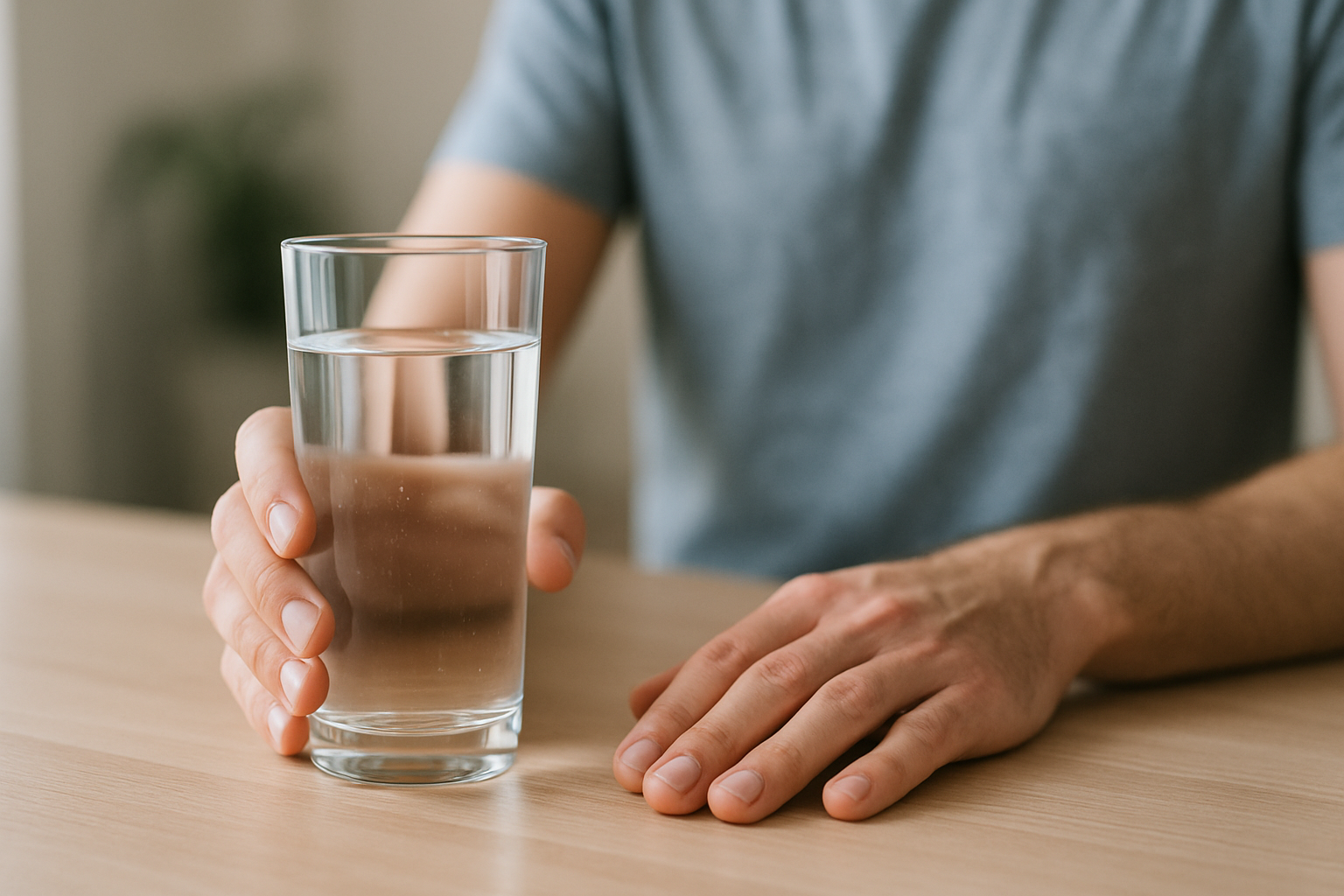
Drinking enough water is one of the simplest daily habits that supports overall health. Water is involved in nearly every process in the body, from moving nutrients to keeping organs working properly. Even small changes in hydration can affect how you feel, think, and move throughout the day. Understanding why water matters can help you make better choices and build routines that support long-term wellness.
What Water Does in the Body
Water makes up a large portion of the human body. In adults, it accounts for about 50 to 60 percent of body weight, and in children it can be even higher. This high percentage shows how essential water is for normal function.
Every cell, tissue, and organ relies on water. Cells use water to maintain their shape and to allow substances to move in and out. Blood, which carries oxygen and nutrients, is mostly water. Digestive fluids, saliva, and even tears depend on water to do their jobs.
Supporting Cellular Health
At the smallest level, water helps cells perform chemical reactions that keep them alive. These reactions allow cells to produce energy, repair damage, and communicate with each other. Without enough water, cells cannot work as efficiently, which can affect the health of tissues and organs over time.
Water also helps maintain the balance of electrolytes like sodium and potassium. These minerals are necessary for nerve signals, muscle movement, and heart rhythm. Proper hydration helps keep these levels stable.
Helping the Body Transport Nutrients
Nutrients from food need water to travel through the bloodstream. Water dissolves vitamins, minerals, glucose, and amino acids so they can reach cells that need them. Without enough water, this transport system slows down, which can leave cells undernourished even if your diet is healthy.
Hydration and Energy Levels
Many people associate tiredness with lack of sleep, but mild dehydration can also cause low energy. When the body does not have enough water, blood volume can decrease slightly. This makes the heart work harder to pump oxygen and nutrients, which can lead to feelings of fatigue.
Dehydration can also affect how the body uses carbohydrates for energy. Water is needed to break down stored energy and convert it into fuel. When water levels are low, this process becomes less efficient.
Daily Energy and Alertness
Staying hydrated throughout the day can help maintain steady energy levels. People who drink water regularly often report feeling more alert and less sluggish, especially in the afternoon when energy tends to dip.
Replacing sugary drinks with water can also help avoid energy crashes. Sugary beverages may provide a quick boost, but they are often followed by a drop in blood sugar that leads to tiredness.
Brain Function and Mental Clarity
The brain is highly sensitive to changes in hydration. Even mild dehydration can affect mood, focus, and memory. Since the brain is made up of about 75 percent water, it relies on proper hydration to function well.
When water levels drop, the brain may shrink slightly, which can trigger headaches and reduce concentration. This can make tasks feel harder than usual, especially those that require attention and problem-solving.
Focus, Memory, and Mood
Studies have shown that dehydration can impact short-term memory and attention. People may find it harder to concentrate, follow conversations, or remember details. Drinking water can help support clearer thinking and better focus during work or school.
Mood can also be affected by hydration. Low water intake has been linked to increased feelings of tension, confusion, and irritability. Staying hydrated may help promote a more balanced and calm emotional state.
Digestive Health and Water Intake
Water plays a key role in digestion from start to finish. It helps break down food so the body can absorb nutrients more easily. Saliva, which begins digestion in the mouth, is mostly water.
In the stomach and intestines, water helps move food along the digestive tract. It also supports the absorption of nutrients into the bloodstream.
Preventing Constipation
One of the most well-known benefits of drinking enough water is improved bowel regularity. Water softens stool, making it easier to pass. When the body is dehydrated, the colon pulls more water from waste, which can lead to hard, dry stools.
For people who eat a high-fiber diet, water is especially important. Fiber needs water to do its job of adding bulk and promoting healthy digestion.
Supporting Gut Comfort
Adequate hydration can help reduce digestive discomfort such as bloating. Water helps maintain a healthy balance of fluids in the digestive system, which supports smooth movement and reduces strain.
Water and Kidney Health
The kidneys are responsible for filtering waste from the blood and removing it through urine. Water is essential for this process. When you drink enough water, the kidneys can efficiently flush out toxins and excess substances.
Low water intake can make urine more concentrated, which places extra stress on the kidneys. Over time, this can increase the risk of kidney problems.
Reducing the Risk of Kidney Stones
Kidney stones form when minerals in the urine become too concentrated and start to crystallize. Drinking more water dilutes the urine, reducing the chance that these minerals will stick together.
People who stay well hydrated are generally less likely to develop kidney stones compared to those who drink less fluid.
Supporting Long-Term Kidney Function
Consistent hydration helps the kidneys do their job without overworking. This can support kidney health over many years and reduce the risk of chronic issues related to poor filtration.
Heart Health and Circulation
Water plays an important role in maintaining healthy blood circulation. Blood is mostly water, and adequate hydration helps keep it flowing smoothly through blood vessels.
When the body is dehydrated, blood can become thicker, which may increase strain on the heart as it works harder to pump blood.
Maintaining Healthy Blood Pressure
Drinking enough water helps maintain proper blood volume. When blood volume drops due to dehydration, blood pressure can fall, leading to dizziness or lightheadedness.
For some people, staying hydrated can help support stable blood pressure levels, especially during physical activity or hot weather.
Supporting Oxygen Delivery
Water helps red blood cells carry oxygen throughout the body. Proper hydration ensures that oxygen reaches muscles and organs efficiently, supporting endurance and overall vitality.
Hydration and Physical Performance
Water is essential for physical activity, whether it is a structured workout or everyday movement. Muscles need water to contract and relax properly. Joints rely on fluid to reduce friction and allow smooth movement.
Even mild dehydration can reduce physical performance. This can show up as reduced strength, endurance, or coordination.
Muscle Function and Recovery
When muscles are dehydrated, they may feel tight or cramp more easily. Drinking water helps maintain muscle flexibility and reduces the risk of cramps during exercise.
After physical activity, water helps transport nutrients needed for muscle repair. It also helps remove waste products that build up during exercise.
Temperature Regulation During Activity
Water helps regulate body temperature through sweating. As sweat evaporates from the skin, it cools the body. Without enough water, this cooling system becomes less effective, increasing the risk of overheating.
Skin Health and Appearance
Skin is the body’s largest organ, and it depends on water to stay healthy. Proper hydration supports skin elasticity and helps maintain a smooth, resilient appearance.
While water alone cannot prevent all skin issues, it plays a supportive role in overall skin care.
Maintaining Skin Moisture
When the body is well hydrated, skin cells are better able to retain moisture. This can help reduce dryness and flakiness, especially in dry climates or during colder months.
Hydrated skin may also appear more plump, which can soften the look of fine lines caused by dryness.
Supporting Natural Detox Processes
Water supports the body’s natural detox systems, including the liver and kidneys. When these systems work well, they can help reduce the buildup of substances that may affect skin clarity.
Weight Management and Water Intake
Drinking more water can support healthy weight management in several ways. Water has no calories and can replace higher-calorie beverages like soda or sweetened drinks.
Water can also play a role in appetite awareness. Sometimes thirst is mistaken for hunger, leading to unnecessary snacking.
Supporting Fullness and Portion Control
Drinking water before or during meals can help you feel fuller. This may lead to eating smaller portions without feeling deprived.
Water adds volume to the stomach without adding calories, which can support mindful eating habits.
Boosting Metabolism Slightly
Some research suggests that drinking water can slightly increase calorie burning for a short period. While this effect is small, it can add up when combined with other healthy habits.
Immune System Support
The immune system relies on water to function properly. Water helps produce lymph, a fluid that carries white blood cells and other immune cells throughout the body.
Staying hydrated helps ensure that immune cells can move efficiently to where they are needed.
Supporting Mucous Membranes
Mucous membranes in the nose, mouth, and throat act as barriers against germs. Adequate hydration helps keep these membranes moist, which can improve their ability to trap and remove unwanted particles.
Helping the Body Respond to Illness
When you are sick, the body often loses more water through fever, sweating, or diarrhea. Drinking enough water helps replace these losses and supports recovery.
Hydration Across Different Life Stages
Water needs can change throughout life. Factors such as age, activity level, and health status all influence how much water a person needs.
Children and Teens
Children and teens are often active and may not always recognize thirst. Encouraging regular water breaks can help support growth, learning, and physical development.
Proper hydration can support concentration in school and energy for play and sports.
Adults
Adults may become less sensitive to thirst as they age. Busy schedules can also lead to forgetting to drink water. Making hydration a daily habit can support energy, digestion, and overall health.
Older Adults
Older adults are at higher risk of dehydration due to changes in kidney function and thirst signals. Drinking water regularly, even when not feeling thirsty, can help support organ function and reduce the risk of complications.
Hydration and Environmental Factors
The amount of water the body needs can change based on the environment. Hot weather, dry air, and high altitude can all increase fluid needs.
Hot and Humid Conditions
In hot or humid weather, the body sweats more to stay cool. This leads to greater water loss, which must be replaced to avoid dehydration.
Drinking water regularly during hot days can help maintain comfort and reduce the risk of heat-related problems.
Cold and Dry Climates
Cold air often holds less moisture, which can increase fluid loss through breathing. People may feel less thirsty in cold weather, but hydration remains important.
Simple Ways to Drink More Water
Building better hydration habits does not have to be complicated. Small changes can make a big difference over time.
Making Water More Appealing
Adding slices of fruit, such as lemon or berries, can add flavor without adding much sugar. Drinking water at a temperature you enjoy can also make it more pleasant.
Creating Daily Routines
Drinking a glass of water when you wake up, before meals, or during breaks can help you remember to hydrate. Carrying a reusable water bottle makes it easier to sip throughout the day.
Listening to Your Body
Paying attention to signs like thirst, dark urine, or dry mouth can help you recognize when you need more water. Regularly checking in with your body supports better hydration awareness.