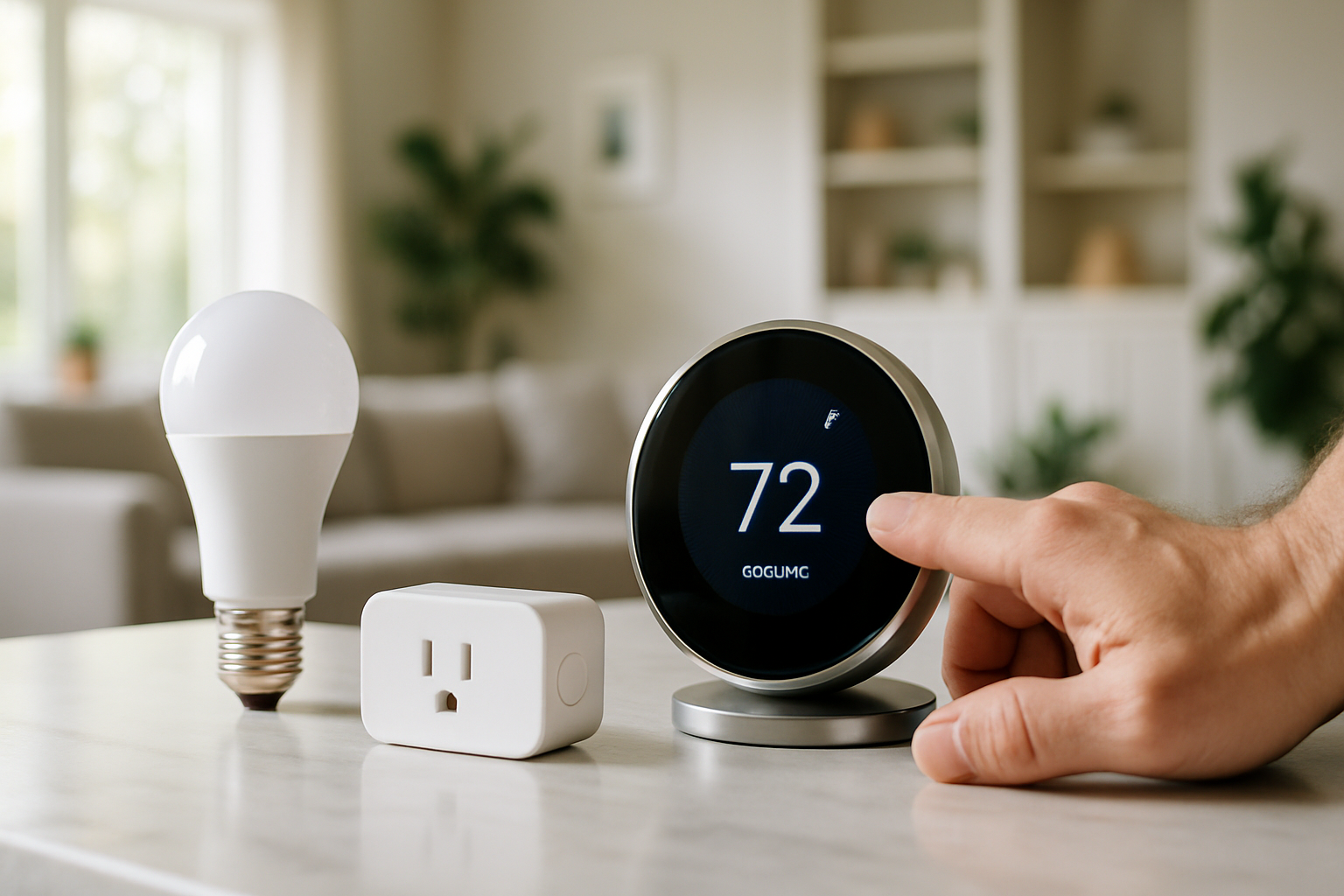
Smart home upgrades are changing how people use energy every day. These technologies help reduce waste, lower utility bills, and make homes more comfortable without requiring major lifestyle changes. Many of these upgrades are easy to install and work quietly in the background, learning habits and adjusting automatically. For homeowners and renters alike, smart technology offers practical ways to save energy while also supporting a more eco-friendly lifestyle.
Why Energy Efficiency Matters at Home
Homes use a large amount of energy for heating, cooling, lighting, appliances, and electronics. When energy is wasted, it increases monthly costs and adds stress to power systems and the environment. Energy-efficient homes use only what they need, when they need it. Smart home upgrades focus on better control, better timing, and better awareness of energy use.
Energy efficiency is not only about saving money. It also helps reduce pollution and conserve natural resources. Smart technology allows homeowners to see how energy is used in real time, making it easier to change habits and fix problems. Small changes, when added together, can lead to meaningful improvements.
Smart Thermostats and Climate Control
Smart thermostats are one of the most popular energy-saving upgrades. They manage heating and cooling systems more efficiently than traditional thermostats. Instead of relying on fixed schedules or manual adjustments, smart thermostats learn daily routines and adjust temperatures automatically.
Learning Schedules and Habits
Many smart thermostats track when people are home, asleep, or away. Over time, they create schedules that match real behavior. For example, the system may lower heating or cooling when no one is home and return to a comfortable setting before people arrive. This reduces energy use without sacrificing comfort.
Remote Control and Mobile Apps
Smart thermostats connect to mobile apps, allowing users to adjust settings from anywhere. If someone forgets to turn down the heat before leaving for a trip, it can be fixed with a few taps on a phone. This remote access helps prevent unnecessary energy use.
Weather Awareness and Adjustments
Some smart thermostats use local weather data to make smarter decisions. On mild days, the system may reduce heating or cooling. During extreme weather, it can adjust gradually to avoid energy spikes. These small changes help maintain comfort while using less power.
Smart Lighting Systems
Lighting is another area where smart technology can reduce energy use. Smart lighting systems include energy-efficient bulbs, connected switches, and automated controls that work together to reduce wasted electricity.
LED Smart Bulbs
Smart bulbs often use LED technology, which uses far less energy than traditional incandescent bulbs. LEDs also last much longer, reducing replacement costs and waste. Smart features allow users to dim lights, change brightness levels, and set schedules.
Motion Sensors and Occupancy Detection
Motion sensors turn lights on when someone enters a room and off when the room is empty. This is especially helpful in areas like hallways, bathrooms, and garages. Lights no longer stay on by accident, saving energy every day.
Daylight and Time-Based Controls
Smart lighting systems can adjust based on the time of day or available natural light. Lights may dim when sunlight is strong and brighten as it gets darker. This balance reduces electricity use while keeping rooms well lit.
Smart Plugs and Power Management
Many electronics continue to use power even when turned off. This is known as standby power or phantom load. Smart plugs help manage this hidden energy use by controlling when devices receive power.
Cutting Standby Power
By plugging devices into smart outlets, users can schedule power to shut off completely when devices are not needed. Televisions, gaming systems, and office equipment often draw power all day unless disconnected. Smart plugs solve this problem automatically.
Usage Monitoring
Some smart plugs track how much energy each device uses. This information helps identify which electronics consume the most power. Once users see the data, they can decide whether to adjust usage, upgrade devices, or unplug items that are rarely used.
Automation and Group Control
Smart plugs can be grouped together and controlled at once. For example, all entertainment devices can turn off at bedtime with a single command or schedule. This makes energy-saving habits easy to maintain.
Smart Appliances
Modern appliances are becoming smarter and more energy-efficient. These appliances use sensors, software, and connectivity to optimize how they operate.
Smart Refrigerators
Smart refrigerators manage temperature more accurately and reduce energy waste. They can adjust cooling based on usage patterns and internal conditions. Some models alert users if the door is left open, preventing unnecessary energy loss.
Energy-Efficient Washers and Dryers
Smart washing machines and dryers use sensors to determine load size and moisture levels. This allows them to use only the water and energy needed for each cycle. Some models can be scheduled to run during off-peak energy hours, reducing strain on power systems.
Smart Dishwashers
Smart dishwashers optimize water temperature and cycle length based on how dirty the dishes are. They may also offer eco-friendly modes that use less water and electricity. Remote start features help users run cycles at energy-efficient times.
Home Energy Monitoring Systems
Understanding how energy is used is the first step to saving it. Home energy monitoring systems provide detailed insights into electricity consumption.
Whole-Home Energy Tracking
These systems connect to the main electrical panel and track energy use across the entire home. Users can see real-time data and historical trends, making it easier to spot unusual spikes or ongoing waste.
Identifying Energy Hogs
Energy monitors can often identify which appliances or systems use the most power. This helps homeowners decide where upgrades or changes will have the biggest impact.
Setting Goals and Alerts
Many systems allow users to set energy-saving goals and receive alerts when usage exceeds certain levels. These reminders encourage better habits and keep energy savings on track.
Smart Heating Systems Beyond Thermostats
In addition to smart thermostats, other heating-related upgrades can improve efficiency and comfort.
Smart Radiator Valves
Smart radiator valves control heat room by room. Instead of heating the entire home evenly, users can focus warmth where it is needed. This zoned approach reduces energy use and improves comfort.
Heat Pump Controls
Homes with heat pumps can benefit from smart controllers designed specifically for these systems. They manage heating and cooling cycles more efficiently, adjusting output based on indoor and outdoor conditions.
Smart Cooling Solutions
Cooling can be one of the biggest energy expenses, especially in warm climates. Smart cooling upgrades help manage this demand more efficiently.
Smart Ceiling Fans
Smart fans adjust speed based on room temperature and occupancy. When used with air conditioning, they help distribute cool air more evenly, allowing the thermostat to be set higher without reducing comfort.
Automated Window Treatments
Smart blinds and shades open and close based on sunlight and temperature. By blocking heat during the hottest parts of the day and letting sunlight in during cooler times, they reduce the need for air conditioning and heating.
Smart Water Heating
Water heating accounts for a significant portion of household energy use. Smart technology can help reduce waste in this area.
Smart Water Heaters
Smart water heaters learn usage patterns and heat water only when needed. They can lower temperatures during times of low demand and increase efficiency without reducing availability.
Leak Detection and Monitoring
Some smart systems monitor water flow and detect leaks. By identifying problems early, they prevent water and energy waste while protecting the home from damage.
Smart Solar Integration
Homes with solar panels can benefit even more from smart energy management.
Solar Monitoring Systems
Smart solar monitors track how much energy panels produce and how it is used. This helps homeowners adjust habits to maximize the use of clean, self-generated power.
Battery Storage Management
For homes with battery storage, smart systems decide when to store energy and when to use it. This reduces reliance on the grid and improves overall efficiency.
Voice Assistants and Central Control
Voice assistants and smart hubs bring all smart devices together, making energy-saving actions simple and convenient.
Hands-Free Control
Voice commands allow users to turn off lights, adjust thermostats, or shut down devices without moving. This convenience increases the likelihood that energy-saving actions happen consistently.
Automation Routines
Smart home systems can run routines that adjust multiple devices at once. For example, a leaving home routine might turn off lights, lower the thermostat, and cut power to selected outlets. These routines reduce energy use without requiring constant attention.
Smart Insulation and Building Sensors
Energy efficiency is not only about devices. It also depends on how well a home holds heat and stays cool.
Temperature and Humidity Sensors
Smart sensors placed around the home provide detailed information about temperature and humidity levels. This data helps heating and cooling systems work more efficiently and highlights areas where insulation may be lacking.
Window and Door Sensors
Smart sensors on windows and doors alert users when they are left open. Some systems automatically adjust heating or cooling when this happens, preventing energy waste.
Smart Outdoor Energy Management
Energy-saving upgrades are not limited to the inside of the home. Outdoor smart technology also plays a role.
Smart Outdoor Lighting
Smart outdoor lights use motion detection and schedules to reduce energy use. Lights turn on only when needed, improving security without wasting electricity.
Smart Irrigation Systems
Smart irrigation controllers adjust watering schedules based on weather, soil moisture, and plant needs. By avoiding overwatering, they save water and the energy used to pump and treat it.
Getting Started with Smart Home Upgrades
Upgrading to a smart, energy-efficient home does not need to happen all at once. Many people start with one or two devices and expand over time. Choosing upgrades that fit the home and lifestyle makes the process easier and more effective.
Compatibility is important when adding smart devices. Many products work best within the same ecosystem or platform. Planning ahead helps avoid confusion and ensures smooth operation.
Energy-saving smart home upgrades continue to evolve, offering more features and better performance each year. As technology improves, these tools become more affordable and accessible, making energy efficiency a realistic goal for more households.