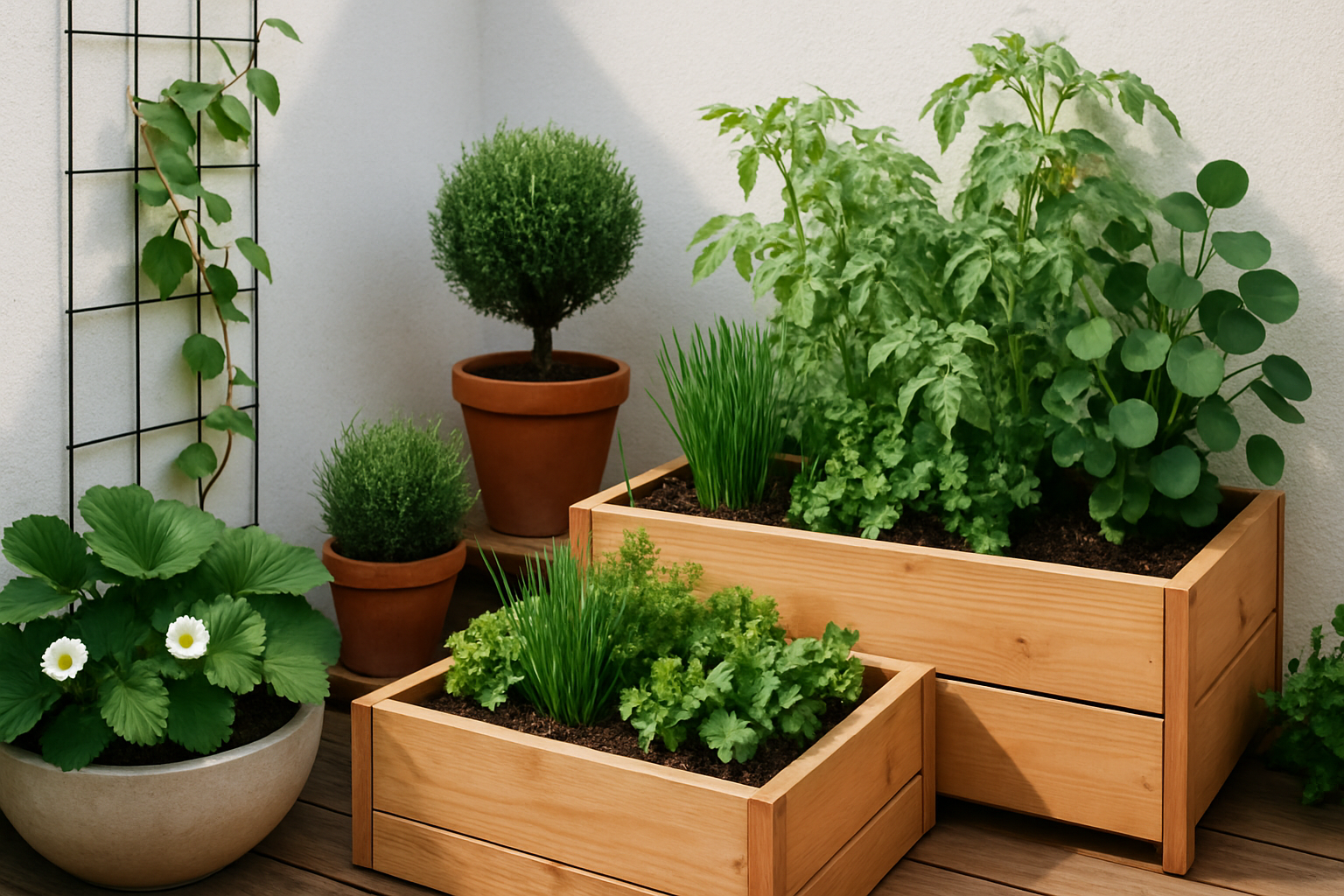
Small gardens can be just as beautiful and satisfying as large ones. Limited space does not mean limited creativity. With smart planning, thoughtful plant choices, and a few design tricks, even the tiniest outdoor or indoor area can become a lush, welcoming garden. Whether you live in an apartment, a townhouse, or a home with a narrow yard, there are many ways to grow plants, flowers, herbs, and even food. This article explores creative and practical ideas for building a beautiful garden in a small space, using simple language and clear examples that make planning easy and enjoyable.
Understanding Your Available Space
The first step in creating a small garden is understanding exactly how much space you have and how it is shaped. Small spaces come in many forms, including balconies, patios, rooftops, windowsills, narrow side yards, and indoor corners. Each type of space offers different possibilities.
Take time to observe your space during different times of the day. Notice where sunlight falls, how strong the wind feels, and how water drains after rain. These details will guide your plant choices and layout. Measuring the area with a tape measure can help you plan containers, shelves, or raised beds that fit perfectly.
It also helps to think about how you want to use the space. Some people want a quiet place to relax, while others want to grow vegetables or create a colorful display. Knowing your main goal helps you avoid overcrowding and keeps the garden feeling open and balanced.
Choosing the Right Containers
Containers are the foundation of most small gardens. They allow you to grow plants without digging into the ground and make it easy to move things around. Containers come in many sizes, shapes, and materials, giving you endless design options.
Clay pots are popular because they look natural and allow soil to breathe, but they dry out quickly. Plastic containers are lightweight and hold moisture longer, which can be helpful in hot areas. Wooden boxes and fabric grow bags are great for vegetables and herbs.
When choosing containers, make sure they have drainage holes. Good drainage prevents root rot and keeps plants healthy. You can place saucers under pots indoors or on balconies to protect floors.
- Use tall, narrow pots to save floor space.
- Choose matching containers for a clean, organized look.
- Mix different sizes to add visual interest.
- Reuse items like buckets, baskets, or jars with proper drainage.
Vertical Gardening for Small Areas
Vertical gardening is one of the best ways to grow more plants in a limited space. By growing upward instead of outward, you can turn walls, fences, and railings into living green areas.
Wall-mounted planters are a popular option. These can hold small plants, herbs, or flowers and create a striking visual effect. Trellises and climbing frames allow plants like vines, peas, or flowering climbers to grow upward.
Hanging baskets are another simple vertical solution. They work well for trailing plants and can be hung from ceilings, hooks, or balcony rails. Just make sure they are secure and easy to water.
- Install shelves to hold multiple small pots.
- Use pocket planters made of fabric or felt.
- Grow climbing plants like ivy or beans.
- Stack planters designed for vertical use.
Balcony and Patio Garden Ideas
Balconies and patios are common small garden spaces, especially in apartments and condos. These areas often have good light and fresh air, making them ideal for many plants.
Furniture choice matters in a small balcony garden. Folding chairs, narrow benches, and tables with built-in planters help save space. Placing plants along the edges leaves room in the center to move around.
Rail planters are designed to attach to balcony railings and are perfect for flowers or herbs. They keep plants off the floor and add greenery at eye level.
- Group plants with similar water needs.
- Use lightweight containers to reduce weight.
- Add outdoor rugs for comfort and color.
- Choose wind-tolerant plants for higher levels.
Window Boxes and Sill Gardens
Window boxes are a classic small garden solution that works both indoors and outdoors. They are ideal for flowers, herbs, and small leafy plants.
Outdoor window boxes add charm to a home’s exterior and can be seen from inside as well. Make sure they are securely attached and have proper drainage. Indoor windowsill gardens work best with plants that enjoy bright, indirect light.
Herbs like basil, parsley, and chives grow well in window boxes and are easy to harvest for cooking.
- Choose shallow-rooted plants.
- Water carefully to avoid spills indoors.
- Rotate plants for even light exposure.
- Use lightweight soil mixes.
Indoor Gardening in Small Homes
Indoor gardens bring nature into small homes where outdoor space is limited or unavailable. With the right light and care, many plants can thrive indoors.
Houseplants improve air quality and add warmth to a room. Small trees, like dwarf citrus or ficus, can grow in pots and become a focal point. Shelves, plant stands, and hanging planters help use vertical space.
Grow lights are helpful in rooms with limited natural light. They are available in many sizes and can be clipped onto shelves or mounted under cabinets.
- Start with easy-care plants like pothos or snake plants.
- Keep plants away from heating vents.
- Use trays to catch excess water.
- Clean leaves to help plants absorb light.
Smart Layout and Design Tricks
Design plays a big role in how a small garden feels. Simple layout tricks can make a space look larger and more inviting.
Using light-colored containers and walls helps reflect light and makes the area feel open. Mirrors placed on walls or fences can create the illusion of depth and double the look of greenery.
Grouping plants in odd numbers often looks more natural. Leaving some empty space is important too, as it gives the eye a place to rest.
- Use diagonal lines to create movement.
- Place larger plants in corners.
- Layer plants by height.
- Keep pathways clear.
Choosing Plants for Small Gardens
Plant selection is especially important in small gardens. Choosing plants that stay compact or grow well in containers helps prevent overcrowding.
Dwarf varieties of shrubs, vegetables, and fruit trees are bred to stay small while still producing flowers or food. Many herbs and leafy greens also thrive in limited space.
Mixing plants with different textures and colors adds interest without needing many plants. Focus on quality rather than quantity.
- Look for plants labeled as compact or dwarf.
- Choose slow-growing varieties.
- Mix evergreen and seasonal plants.
- Consider plants with multiple uses.
Soil and Fertilizer Tips
Healthy soil is the key to healthy plants, especially in containers where roots have limited space. Using a high-quality potting mix provides good drainage and nutrients.
Avoid using garden soil in containers, as it can become compacted and heavy. Many potting mixes are designed for specific plants, such as vegetables or indoor plants.
Because nutrients wash out of containers over time, regular feeding is important. Liquid fertilizers are easy to use and work quickly.
- Refresh soil each season.
- Follow fertilizer instructions carefully.
- Use compost to improve soil quality.
- Watch plants for signs of nutrient needs.
Watering in Limited Spaces
Watering can be challenging in small gardens because containers dry out faster than ground soil. At the same time, overwatering can lead to root problems.
Check soil moisture by touching the soil before watering. Water slowly until it drains from the bottom of the container. Early morning or evening is the best time to water.
Self-watering containers and drip irrigation systems are helpful for busy gardeners or hard-to-reach spaces.
- Use mulch to reduce water loss.
- Group thirsty plants together.
- Empty saucers to prevent standing water.
- Adjust watering with the seasons.
Managing Sunlight and Shade
Light conditions affect which plants will thrive in your small garden. Some spaces receive full sun, while others are shaded by buildings or trees.
Most vegetables and flowering plants need several hours of direct sunlight. Shade-loving plants, like ferns and some houseplants, prefer indirect light.
If light is limited, reflect it using light-colored surfaces or mirrors. Grow lights can also help extend light hours indoors.
- Match plants to available light.
- Rotate pots for even growth.
- Prune nearby plants to increase light.
- Track sunlight patterns over time.
Adding Privacy in Small Gardens
Privacy can be important, especially on balconies or in shared outdoor spaces. Plants offer a natural and attractive way to create privacy.
Tall plants, bamboo screens, or trellises with climbing plants can block unwanted views without closing off the space completely. Fabric panels or outdoor curtains also work well.
Choosing plants with dense foliage helps create a green wall effect that feels calm and cozy.
- Use fast-growing climbers.
- Place screens where needed most.
- Combine plants with lightweight panels.
- Keep privacy solutions secure.
Budget-Friendly Small Garden Ideas
Creating a small garden does not have to be expensive. Many creative ideas use items you may already have at home.
Reusing containers, jars, and boxes reduces costs and adds personality. Swapping plants with friends or neighbors is another great way to expand your garden without spending much.
Starting plants from seeds is usually cheaper than buying mature plants and allows you to grow a wider variety.
- Shop end-of-season plant sales.
- Make your own compost.
- Reuse household items as planters.
- Focus spending on soil quality.
Seasonal Planting in Small Spaces
Small gardens can change with the seasons, keeping the space fresh and interesting all year. Seasonal planting allows you to enjoy different colors, textures, and harvests.
In spring and summer, focus on flowers, herbs, and vegetables. Fall is a good time for cool-weather plants, while winter gardens can include evergreens or indoor plants.
Rotating plants also helps maintain soil health and reduces pest problems.
- Plan seasonal plant swaps.
- Use containers for easy changes.
- Store unused pots neatly.
- Keep notes for next year.
Easy Maintenance for Busy Gardeners
Small gardens are often easier to maintain, but they still need regular care. Simple routines keep plants healthy without taking much time.
Pruning, deadheading, and cleaning up fallen leaves help plants focus energy on growth. Checking for pests early prevents bigger problems later.
Choosing low-maintenance plants reduces the amount of work needed.
- Set a weekly care schedule.
- Use slow-release fertilizers.
- Choose hardy plant varieties.
- Keep tools nearby.
Accessibility and Comfort
A small garden should be comfortable and easy to use. Raised containers and vertical gardens reduce the need to bend or kneel.
Paths should be clear and surfaces stable to prevent slips. Adding a small seat or stool provides a place to rest and enjoy the space.
Lighting improves safety and allows you to enjoy the garden in the evening.
- Use solar lights for convenience.
- Keep walkways uncluttered.
- Choose ergonomic tools.
- Adjust heights to your needs.
Sustainable Practices for Small Gardens
Sustainability is easy to practice in a small garden. Using water wisely, choosing native plants, and reducing waste all make a positive impact.
Collecting rainwater, even in small amounts, helps reduce water use. Composting kitchen scraps creates natural fertilizer for plants.
Native plants often need less water and care, making them ideal for limited spaces.
- Choose drought-tolerant plants.
- Reuse water when possible.
- Avoid chemical pesticides.
- Support local pollinators.
Color, Texture, and Style
Designing a small garden is about more than plants. Color, texture, and personal style bring the space to life.
Using a limited color palette creates a calm, unified look. Adding different leaf shapes and textures keeps the garden interesting.
Decor items like stones, small statues, or lanterns add character without taking up much room.
- Pick two or three main colors.
- Mix smooth and textured leaves.
- Add small decorative accents.
- Keep decorations balanced.
Storage Solutions for Small Gardens
Storage is often overlooked in small gardens, but it is important for keeping the area tidy. Compact storage solutions help organize tools and supplies.
Wall-mounted hooks, small cabinets, or storage benches provide space without crowding the garden. Keeping tools organized saves time and protects equipment.
Weatherproof storage is best for outdoor areas.
- Hang tools on walls.
- Use multi-purpose furniture.
- Store soil in sealed containers.
- Label storage areas.
Safety Tips for Small Garden Spaces
Safety is important, especially in compact areas where movement is limited. Secure all containers and hanging items to prevent accidents.
Be careful with water on balconies or indoor spaces to avoid slips and damage. Choose non-toxic plants if children or pets are present.
Good lighting and clear pathways reduce the risk of trips and falls.
- Check weight limits on balconies.
- Secure shelves and hooks.
- Use non-slip mats.
- Store sharp tools safely.