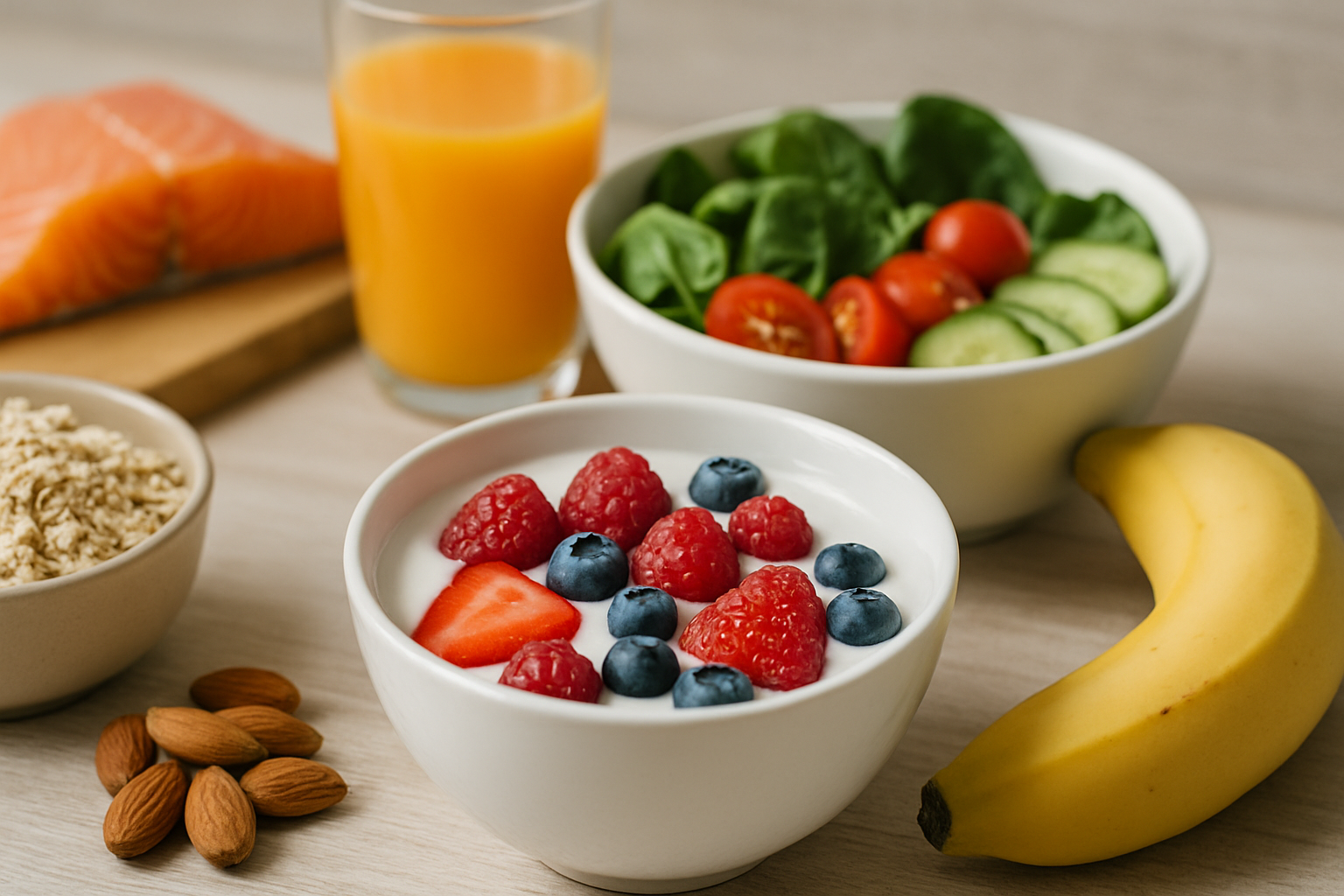
Feeling low on energy can make everyday tasks feel harder than they should be. Many people think energy comes from sleep alone, but food choices play a huge role in how energized you feel throughout the day. The good news is that you do not need a strict diet or expensive supplements to feel better. Small, simple nutrition changes can support steady energy from morning to night.
How Food Affects Energy Levels
Energy from food comes from calories, but not all calories work the same way in the body. Some foods release energy slowly and help you feel alert for hours. Others cause quick spikes and drops that leave you tired soon after eating. Understanding this difference helps you make better choices.
Your body turns carbohydrates, fats, and proteins into energy. Carbohydrates are the main fuel source, but protein and fat help keep that energy steady. Vitamins and minerals help your body use this fuel properly. When meals are missing key nutrients, your energy can suffer even if you are eating enough calories.
Eat Regular Meals to Avoid Energy Crashes
Skipping meals can cause blood sugar levels to drop. This often leads to fatigue, dizziness, and trouble focusing. Eating at regular times helps keep energy steady throughout the day.
Many people feel better when they eat every three to four hours. This does not mean eating large meals all day. It can include small meals and healthy snacks spaced out over time.
- Eat breakfast within one to two hours of waking up
- Plan a lunch that includes protein and fiber
- Add one or two snacks if there are long gaps between meals
Build Balanced Meals for Lasting Energy
A balanced meal includes carbohydrates, protein, and healthy fats. This mix slows digestion and helps prevent quick energy drops.
Carbohydrates That Support Energy
Carbohydrates are the body’s main energy source. The type of carbohydrate matters. Whole and minimally processed carbs provide steady fuel.
- Whole grains like oats, brown rice, and whole wheat bread
- Fruits such as apples, berries, and bananas
- Vegetables like sweet potatoes, carrots, and leafy greens
- Beans and lentils
These foods contain fiber, which slows the release of sugar into the bloodstream. This helps prevent sudden energy crashes.
Protein for Steady Focus
Protein helps repair tissues and supports muscle health, but it also helps stabilize energy levels. Meals with protein tend to keep you full longer and reduce tiredness.
- Eggs
- Chicken, turkey, and lean meats
- Fish and seafood
- Greek yogurt and cottage cheese
- Beans, lentils, tofu, and tempeh
Adding protein to breakfast and snacks is especially helpful for morning and afternoon energy.
Healthy Fats That Help You Stay Full
Fats are a concentrated energy source and help the body absorb certain vitamins. Healthy fats can support long-lasting energy when eaten in moderate amounts.
- Avocados
- Nuts and seeds
- Olive oil
- Fatty fish like salmon
Including a small amount of fat with meals can slow digestion and help energy last longer.
Do Not Skip Breakfast
After hours of sleep, the body needs fuel. Skipping breakfast can make it harder to concentrate and may lead to overeating later in the day.
A good breakfast does not need to be large or complicated. The goal is to include protein, fiber, and some healthy fat.
- Oatmeal with nuts and fruit
- Eggs with whole grain toast
- Greek yogurt with berries
- Smoothie with fruit, protein, and seeds
Even a small breakfast is better than none when it comes to energy.
Hydration Plays a Major Role in Energy
Dehydration is a common and often overlooked cause of fatigue. Even mild dehydration can lead to low energy, headaches, and poor focus.
Water helps move nutrients through the body and supports normal body functions. When you are not drinking enough, your body works harder, which can make you feel tired.
- Drink water regularly throughout the day
- Carry a reusable water bottle
- Pay attention to thirst and urine color
Foods with high water content, such as fruits and vegetables, also help with hydration.
Be Smart About Caffeine
Caffeine can increase alertness, but too much can lead to energy crashes and poor sleep. Using caffeine wisely can help support energy instead of hurting it.
Moderate amounts earlier in the day are usually best. Drinking coffee or tea late in the afternoon or evening can interfere with sleep, which affects next-day energy.
- Limit caffeine to the morning or early afternoon
- Avoid energy drinks with high sugar
- Drink water alongside caffeinated drinks
Reduce Added Sugar for Steadier Energy
Foods high in added sugar can cause quick energy spikes followed by crashes. This can leave you feeling more tired than before.
Common sources of added sugar include sugary drinks, candy, pastries, and sweetened cereals. Reducing these foods can help energy feel more stable.
- Choose whole fruit instead of sweets
- Read labels to spot added sugars
- Pair sweet foods with protein or fiber
Fiber Helps Maintain Energy
Fiber slows digestion and helps keep blood sugar levels steady. This supports consistent energy throughout the day.
Many people do not eat enough fiber. Adding fiber-rich foods gradually can help avoid stomach discomfort.
- Vegetables like broccoli and spinach
- Fruits with skin, such as pears and apples
- Whole grains
- Beans and legumes
Key Vitamins and Minerals for Energy
Micronutrients do not provide calories, but they help the body turn food into energy. Low levels can contribute to fatigue.
Iron
Iron helps carry oxygen in the blood. Low iron levels can lead to tiredness and weakness.
- Red meat and poultry
- Beans and lentils
- Spinach and other leafy greens
- Iron-fortified cereals
Eating vitamin C-rich foods with plant-based iron sources can help absorption.
B Vitamins
B vitamins help convert food into energy. They are important for brain and nerve function.
- Whole grains
- Eggs
- Dairy products
- Leafy greens
Magnesium
Magnesium supports muscle and nerve function and helps with energy production.
- Nuts and seeds
- Whole grains
- Beans
- Dark leafy greens
Snack Choices That Boost Energy
Snacks can help fill the gap between meals and prevent energy dips. The best snacks combine protein, fiber, and healthy fats.
- Apple slices with peanut butter
- Greek yogurt with berries
- Trail mix with nuts and seeds
- Hummus with vegetables
Snacks high in sugar and low in nutrients often lead to quick fatigue.
Timing Meals Around Activity
When you eat can matter as much as what you eat, especially around physical activity.
Eating a small meal or snack with carbohydrates and protein before activity can support energy. After activity, a balanced meal helps replenish energy stores.
- Banana with yogurt before exercise
- Whole grain toast with eggs after activity
Pay Attention to Portion Sizes
Eating very large meals can make you feel sluggish. Digestion requires energy, and heavy meals may cause sleepiness.
Balanced portions help you feel satisfied without feeling weighed down. Eating slowly and paying attention to hunger cues can help with portion control.
Limit Highly Processed Foods
Highly processed foods often lack fiber and key nutrients. They may provide quick calories but little lasting energy.
Examples include packaged snacks, fast food, and sugary baked goods. These foods are best eaten occasionally rather than daily.
Choosing more whole foods can improve how energized you feel over time.
Support Gut Health Through Nutrition
The gut plays a role in nutrient absorption. Poor gut health can affect energy levels.
Fiber-rich foods and fermented foods support a healthy gut.
- Yogurt with live cultures
- Kefir
- Sauerkraut and kimchi
- High-fiber fruits and vegetables
Plan Simple Meals Ahead of Time
When healthy food is easy to access, it is easier to make energy-supporting choices. Planning does not need to be complicated.
Simple steps like prepping ingredients or planning a few meals can reduce reliance on low-energy foods.
- Wash and cut vegetables ahead of time
- Cook grains or proteins in batches
- Keep healthy snacks on hand
Read Food Labels for Better Energy Choices
Food labels can help you spot added sugars and low nutrient foods. Paying attention to fiber, protein, and ingredient lists can guide better choices.
Foods with fewer ingredients and recognizable items are often more nutrient-dense.
Make Gradual Changes for Lasting Results
Trying to change everything at once can feel overwhelming. Small changes are easier to maintain and can still improve energy.
Examples of small steps include adding a vegetable to one meal, drinking one extra glass of water, or choosing a protein-rich snack.
Over time, these small habits can support steady, reliable energy throughout the day.