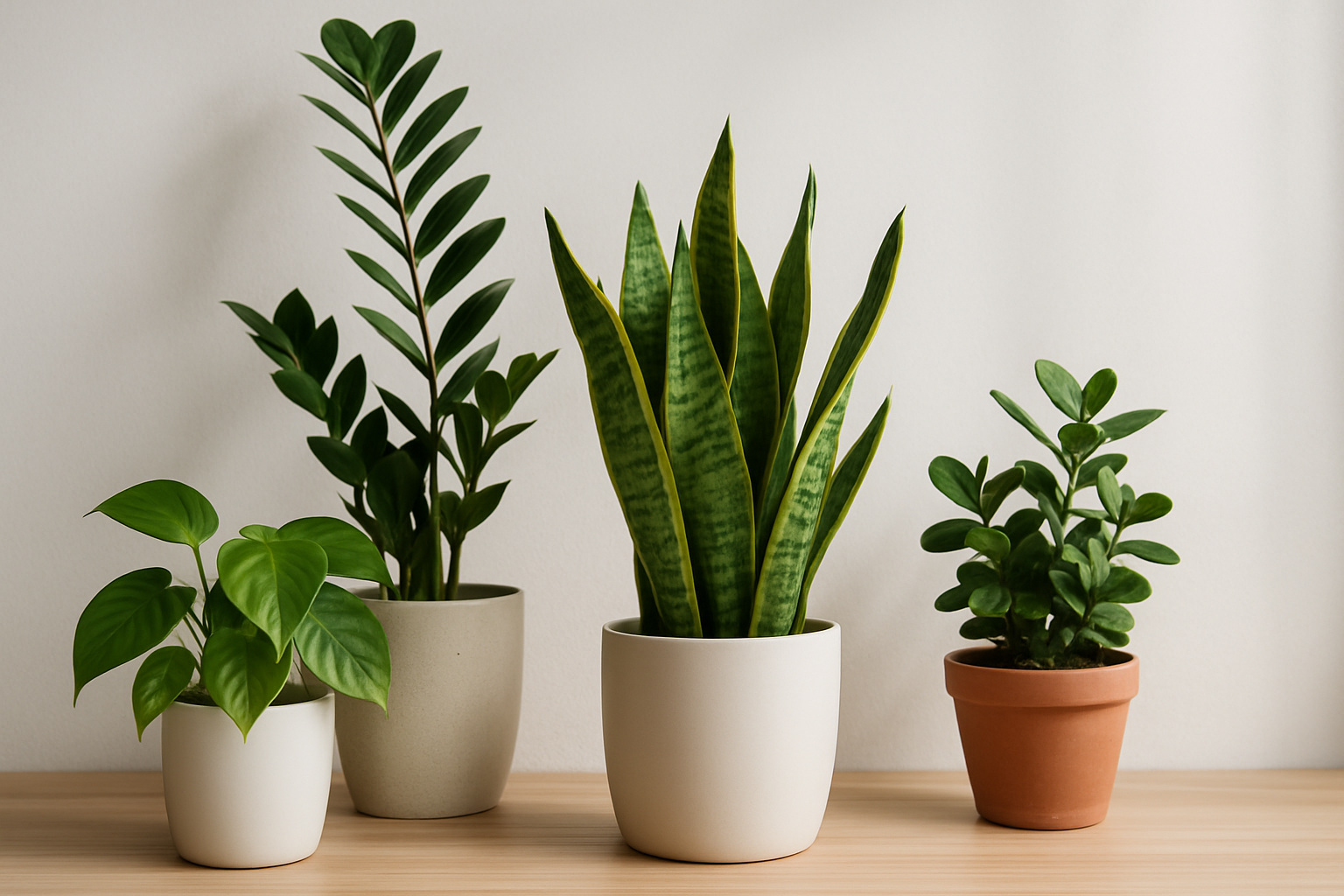
Indoor plants that are easy to maintain are perfect for people who want greenery without stress. Many homes and apartments do not have ideal light, time, or experience for demanding plants. Low-maintenance houseplants solve this problem by being adaptable, forgiving, and attractive. They can survive missed waterings, adjust to indoor lighting, and still look good year-round. These plants work well for beginners, busy families, renters, students, and anyone who wants to enjoy nature indoors with minimal effort.
Why Low-Maintenance Indoor Plants Are So Popular
Easy-care indoor plants have become popular because modern life is busy. Many people work long hours, travel often, or simply do not want to spend a lot of time caring for plants. Low-maintenance plants provide beauty, color, and life without demanding daily attention. They also help improve indoor spaces by making rooms feel calmer and more welcoming.
Another reason these plants are popular is their ability to adapt. Many low-maintenance plants naturally grow in tough environments, such as deserts or forest floors. Because of this, they are used to inconsistent water, low light, and limited nutrients. This makes them ideal for indoor environments where conditions are not always perfect.
Basic Care Principles for Easy Indoor Plants
Even the easiest plants still need basic care. Understanding a few simple principles helps these plants stay healthy for years. Most low-maintenance plants prefer indirect light, meaning they should not sit in direct sunlight for long periods. Bright rooms with filtered light are usually enough.
Watering is another key factor. Many easy-care plants prefer their soil to dry out slightly between waterings. Overwatering is the most common mistake. It is better to water less often and check the soil with your finger before adding more water.
Most low-maintenance indoor plants do well in average household temperatures and humidity. They do not need special fertilizers or frequent repotting. With these basics in mind, the plants listed below can thrive with very little effort.
Snake Plant (Sansevieria)
The snake plant is one of the easiest indoor plants to maintain. It has tall, stiff leaves that grow upright and come in shades of green with yellow or silver edges. This plant is extremely tough and can survive in low light, bright light, and almost anything in between.
Snake plants only need watering every two to three weeks, and even less in winter. They store water in their thick leaves, which helps them survive drought. Overwatering is the main risk, so letting the soil dry completely is important.
This plant is also known for improving indoor air quality. It fits well in bedrooms, living rooms, offices, and hallways. Its clean, modern look works with many decorating styles.
ZZ Plant (Zamioculcas zamiifolia)
The ZZ plant is famous for its shiny, dark green leaves and strong survival skills. It grows slowly and stays neat, making it perfect for small spaces. The thick stems and waxy leaves store water, allowing the plant to go weeks without watering.
This plant does well in low to medium light and can even survive in rooms with only artificial lighting. It prefers to dry out between waterings and does not like wet soil.
The ZZ plant is a great choice for offices, apartments, and homes where plant care is often forgotten. Its polished look adds a touch of elegance without demanding attention.
Pothos (Epipremnum aureum)
Pothos is one of the most popular low-maintenance indoor plants, especially for beginners. It has trailing vines with heart-shaped leaves that can be green, yellow, or variegated with white. Pothos grows quickly and can be placed on shelves, in hanging baskets, or trained to climb.
This plant adapts well to different light conditions, from low light to bright indirect light. It only needs watering when the top inch of soil feels dry. If it gets too dry, it may droop slightly, but it usually recovers quickly after watering.
Pothos is forgiving and resilient, making it ideal for busy households. It also helps soften rooms with its flowing growth.
Spider Plant (Chlorophytum comosum)
The spider plant is known for its long, arching leaves and small baby plants that hang from the parent plant. It has a cheerful, lively appearance and is easy to care for. Spider plants adapt well to indoor environments and tolerate a range of lighting conditions.
They prefer bright, indirect light but can survive in lower light. Watering once a week is usually enough, allowing the soil to dry slightly between waterings. Spider plants are forgiving if watering is delayed.
This plant works well in hanging baskets or on high shelves where its trailing babies can be displayed. It is also a good choice for homes with children because it is non-toxic.
Peace Lily (Spathiphyllum)
The peace lily is a low-maintenance plant that also produces elegant white flowers. Its dark green leaves and graceful blooms make it a popular choice for living rooms and bedrooms. While it looks delicate, it is actually quite resilient.
Peace lilies prefer medium to low light and like their soil to stay slightly moist. They are good at letting you know when they need water by drooping their leaves. After watering, they usually perk up within hours.
This plant helps create a calm atmosphere and adds a touch of softness to indoor spaces. With simple care, it can bloom several times a year.
Rubber Plant (Ficus elastica)
The rubber plant is a bold, low-maintenance indoor plant with large, glossy leaves. It adds height and structure to rooms and works well as a floor plant. Rubber plants grow slowly indoors and do not require frequent care.
They prefer bright, indirect light but can tolerate lower light. Watering is needed only when the top few inches of soil are dry. Too much water can cause leaf drop, so less is better.
Rubber plants are well-suited for modern interiors and open spaces. Their strong leaves are easy to clean and maintain.
Aloe Vera
Aloe vera is both a decorative and practical indoor plant. Its thick, spiky leaves contain a gel that is commonly used for skin care. Aloe is a succulent, which means it stores water and requires very little maintenance.
This plant prefers bright, indirect light and needs watering only every two to three weeks. The soil should dry out completely between waterings. Aloe vera does best in well-draining pots.
Aloe is ideal for kitchens, bathrooms, or sunny windowsills. It is a great choice for people who want a useful plant that is also easy to care for.
Cast Iron Plant (Aspidistra elatior)
The cast iron plant lives up to its name. It is one of the toughest indoor plants available and can survive low light, poor soil, and irregular watering. Its long, dark green leaves grow slowly and stay attractive year-round.
This plant prefers low to medium light and needs watering only when the soil is dry. It does not require frequent feeding or repotting.
The cast iron plant is perfect for hallways, offices, and corners where other plants struggle. It provides greenery in spaces that are otherwise difficult to decorate.
Chinese Evergreen (Aglaonema)
Chinese evergreen plants are known for their colorful, patterned leaves and easy-going nature. They come in many varieties with shades of green, silver, pink, and red. These plants stay compact and tidy.
They do well in low to medium light and prefer evenly moist soil. However, they can handle missed waterings without serious problems. They also tolerate average indoor humidity.
Chinese evergreens are a good option for bedrooms, offices, and living areas. Their decorative leaves add interest without extra care.
Philodendron
Philodendrons are classic houseplants that are easy to maintain and very adaptable. They come in many forms, including trailing and upright types. Their heart-shaped leaves create a soft, inviting look.
These plants prefer medium light but can survive in lower light. Watering is simple, as they like the soil to dry slightly between waterings. Philodendrons are forgiving if care is not perfect.
They work well on shelves, tables, and hanging planters. Their steady growth makes them rewarding without being demanding.
Succulents
Succulents are a large group of low-maintenance plants that store water in their leaves. Common indoor succulents include echeveria, haworthia, and jade plants. They come in many shapes, sizes, and colors.
Most succulents prefer bright light and very little water. Watering every two to four weeks is usually enough. The soil must drain well to prevent root rot.
Succulents are perfect for windowsills, desks, and small spaces. They are ideal for people who want plants that need very little attention.
Jade Plant (Crassula ovata)
The jade plant is a popular succulent with thick, oval-shaped leaves and a tree-like form. It grows slowly and can live for many years with basic care. Jade plants are often associated with good luck and positive energy.
This plant prefers bright light and infrequent watering. Allowing the soil to dry completely between waterings keeps it healthy. Jade plants do not need frequent fertilizing.
They work well as tabletop plants or small floor plants. Their sturdy structure makes them easy to manage.
Dracaena
Dracaena plants are known for their long, narrow leaves and upright growth. They come in several varieties, including ones with green, yellow, or red-edged leaves. Dracaena plants are tough and adaptable.
They prefer medium light but can tolerate low light. Watering every one to two weeks is usually enough, depending on the environment. Dracaena plants do not like overly wet soil.
These plants are good for adding height to rooms. They are commonly used in living rooms and offices.
Parlor Palm (Chamaedorea elegans)
The parlor palm is a small, elegant palm that has been used as a houseplant for generations. It has soft, feathery leaves and grows slowly. This plant is easy to care for and adapts well to indoor life.
Parlor palms prefer low to medium light and regular but light watering. The soil should be allowed to dry slightly between waterings. They enjoy average household humidity.
This plant works well in corners, bedrooms, and offices. It adds a gentle, natural feel without requiring much attention.
Lucky Bamboo (Dracaena sanderiana)
Lucky bamboo is not actually bamboo, but it is very easy to care for. It can grow in water or soil and is often shaped into decorative forms. Lucky bamboo is popular for its simple care and symbolic meaning.
It prefers low to medium light and needs clean water if grown without soil. Changing the water every few weeks helps keep it healthy. If grown in soil, light watering is enough.
This plant is ideal for desks, shelves, and small spaces. Its simple appearance fits well in many home styles.
English Ivy (Hedera helix)
English ivy is a trailing plant that is easy to maintain indoors. It has small, green leaves that create a classic look. Ivy can be grown in hanging baskets or allowed to trail along shelves.
This plant prefers bright, indirect light but can adapt to lower light. Watering is needed when the soil surface feels dry. English ivy does not require special care.
It adds a traditional touch to indoor spaces and works well in living rooms and home offices.
Monstera Deliciosa
Monstera deliciosa is a popular low-maintenance plant known for its large, split leaves. While it looks dramatic, it is surprisingly easy to care for. Monstera grows steadily and adapts well to indoor conditions.
It prefers bright, indirect light and watering when the top inch of soil is dry. Monsteras are tolerant of occasional missed watering and average humidity.
This plant is ideal for adding a bold statement to a room. It works well as a floor plant in living spaces.
Why Easy Indoor Plants Work in Any Home
Low-maintenance indoor plants fit into almost any lifestyle. They are forgiving, adaptable, and resilient. These plants allow people to enjoy the benefits of indoor greenery without stress or complicated care routines.
By choosing plants that match your light, space, and schedule, it becomes easy to keep them healthy. Easy-care plants grow at a steady pace, stay attractive, and bring natural beauty into everyday living spaces.
With so many low-maintenance options available, anyone can find indoor plants that suit their home and routine. The right plants make indoor spaces feel more comfortable, relaxed, and alive.