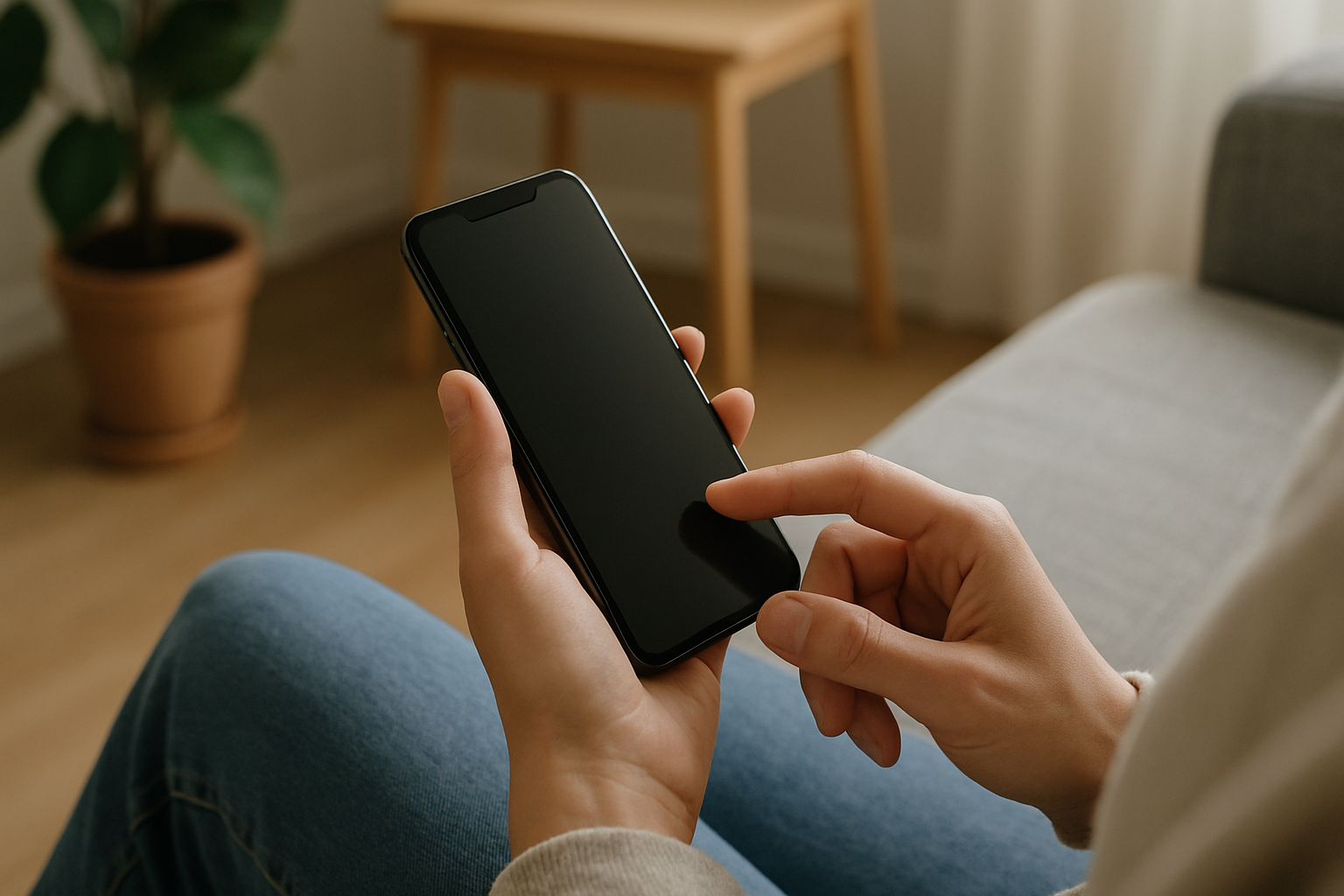
Technology is part of daily life. Phones wake us up, computers help us work, and apps keep us connected to people we care about. Technology can save time, teach new skills, and offer fun ways to relax. At the same time, many people feel tired, distracted, or stressed because they use technology too much or without thinking about it. Using technology mindfully means making clear choices about how, when, and why you use it. This article explains practical ways to enjoy the benefits of technology while avoiding overuse.
Understanding Mindful Technology Use
Mindful technology use is about paying attention to your habits and your feelings. Instead of grabbing your phone without thinking, you pause and decide if using it will truly help you in that moment. Mindfulness does not mean avoiding technology or feeling guilty about using it. It means staying aware of your needs and using tools that support those needs.
When you use technology mindfully, you notice how it affects your mood, focus, sleep, and relationships. You also recognize patterns, such as checking social media when you feel bored or opening email when you feel anxious. Awareness is the first step toward healthier habits.
Why Overuse Happens So Easily
Many apps and devices are designed to keep your attention. Notifications, bright colors, and endless scrolling encourage you to stay longer than you planned. Over time, this can lead to habits that feel automatic. You may pick up your phone dozens of times a day without remembering why.
Overuse can also happen because technology is helpful. Work tools, school platforms, and communication apps are necessary for many people. The problem is not the tools themselves but the lack of clear boundaries around them.
Setting Clear Intentions for Technology Use
One of the most effective ways to use technology more mindfully is to set intentions. An intention is a simple reason for using a device or app. Before opening something, you can ask yourself what you want to do and how long you want to do it.
Deciding Your Purpose
When you pick up your phone or sit at your computer, pause for a moment. Ask yourself what you need right now. You might want to send a message, look up information, relax with a video, or complete a task. By naming your purpose, you reduce the chance of getting lost in unrelated content.
This small pause can help you stay focused. If you notice yourself switching apps or tabs without a clear reason, you can gently bring your attention back to your original goal.
Using Time Limits with Care
Setting time limits can support mindful use, especially for activities that tend to expand, like social media or gaming. Many devices offer built-in tools to track and limit screen time. These tools are not meant to punish you. They act as reminders to check in with yourself.
When a time limit alert appears, take a moment to notice how you feel. You might choose to stop, continue, or adjust the limit. The key is making a choice instead of continuing automatically.
Creating Healthier Digital Environments
Your digital environment shapes your habits, just like your physical environment does. Small changes to settings and layouts can make mindful use easier and reduce distractions.
Managing Notifications
Notifications are one of the biggest sources of interruption. Each alert pulls your attention away from what you are doing. Over time, constant interruptions can make it hard to focus and can increase stress.
Start by reviewing which apps truly need to reach you right away. Messages from close family or urgent work tools may be important. Other notifications, such as game updates or promotional alerts, can often be turned off or set to deliver quietly.
You can also use features like do not disturb or focus modes during work, study, or rest times. These features allow important calls or messages while blocking less important alerts.
Organizing Apps and Screens
The way apps are arranged on your device affects how often you use them. Apps placed on the home screen are easier to open without thinking. Consider moving distracting apps to a separate screen or folder.
You can also place helpful or calming apps, such as calendars, note tools, or reading apps, where you can see them easily. This encourages habits that support your goals.
Building Mindful Habits Around Social Media
Social media can be a powerful tool for connection, learning, and creativity. It can also lead to comparison, overload, and wasted time if used without awareness. Mindful social media use focuses on quality rather than quantity.
Choosing Who and What to Follow
The content you see shapes how you feel. Take time to review who you follow and what appears in your feed. Accounts that inspire, educate, or make you feel supported can add value to your day.
If certain content leaves you feeling anxious, angry, or less confident, it may be helpful to mute, unfollow, or limit exposure. This is not about avoiding reality but about protecting your mental well-being.
Setting Boundaries for Scrolling
Endless scrolling makes it easy to lose track of time. One mindful approach is to decide in advance how long you want to spend on social media. You might check updates for ten minutes in the morning or during a specific break.
Another approach is to scroll with a purpose. For example, you might log in to reply to messages or look for specific information. When that task is done, you can log out or close the app.
Using Technology to Support Focus and Productivity
Technology can either distract you or help you concentrate, depending on how you use it. With mindful choices, digital tools can support deep work and meaningful progress.
Single-Tasking Instead of Multitasking
Many people try to do several things at once, such as answering messages while working or watching videos while studying. Research shows that multitasking often reduces quality and increases mental fatigue.
Single-tasking means focusing on one activity at a time. You can use tools like full-screen modes, website blockers, or simple timers to help you stay with one task. Even short periods of focused work can feel more satisfying.
Using Tools That Match Your Goals
There are many apps designed to help with planning, writing, learning, and organization. Mindful use means choosing tools that truly help you, rather than downloading many apps you rarely use.
Take time to learn the basic features of the tools you rely on. When you understand how they work, you spend less time feeling frustrated or distracted.
Practicing Mindful Communication
Technology has changed how people communicate. Messages, emails, and video calls make it easy to stay in touch, but they can also create pressure to respond quickly. Mindful communication focuses on clarity, respect, and balance.
Setting Expectations Around Response Time
Not every message needs an immediate reply. You can help reduce stress by setting clear expectations with friends, family, and coworkers. For example, you might let people know your typical work hours or when you check messages.
Turning off read receipts or typing indicators can also reduce pressure. These features sometimes create the feeling that you must respond right away, even when you need time.
Choosing the Right Channel
Different messages work better in different formats. Quick questions may be fine for chat, while complex topics may need a call or a longer message. Mindful choice of communication channels can prevent misunderstandings and save time.
When possible, try to be clear and kind in digital communication. Taking an extra moment to read a message before sending it can improve understanding.
Balancing Screen Time with Offline Life
Mindful technology use includes making space for offline activities. Physical movement, face-to-face conversations, and quiet time without screens are important for health and well-being.
Creating Screen-Free Moments
Screen-free moments do not have to be long or strict. You might choose to avoid screens during meals, before bedtime, or during short walks. These moments give your mind a chance to rest.
Some people find it helpful to leave their phone in another room during certain activities. This reduces the urge to check it and helps you stay present.
Supporting Sleep with Better Tech Habits
Using screens late at night can affect sleep. Bright light and stimulating content can make it harder to relax. Mindful use includes creating a calming routine before bed.
You might dim screens in the evening, avoid intense content, or stop using devices a certain time before sleep. Using a traditional alarm clock instead of your phone can also reduce late-night scrolling.
Teaching Mindful Technology Use to Children and Teens
Children and teens are growing up with technology from an early age. Teaching mindful habits can help them develop a healthy relationship with devices.
Modeling Healthy Behavior
Young people learn a lot by watching adults. When adults use technology mindfully, such as putting phones away during conversations, it sends a strong message.
Talking openly about your own habits and challenges can also help. This shows that mindful use is a skill everyone is learning.
Setting Clear and Flexible Guidelines
Clear rules around screen time and device use can provide structure. These guidelines work best when they are explained and adjusted as children grow.
Involving children and teens in setting boundaries can increase understanding and cooperation. Discussing why certain limits exist helps them learn to make good choices on their own.
Using Technology for Learning and Growth
Technology offers many opportunities for learning, creativity, and personal growth. Mindful use means choosing content and activities that align with your interests and values.
Choosing Educational and Skill-Building Content
Online courses, tutorials, and educational videos can help you learn new skills at your own pace. When using these resources mindfully, you set aside focused time to learn rather than watching passively.
Taking notes, practicing skills, or discussing what you learn with others can deepen understanding and make screen time more meaningful.
Supporting Creativity with Digital Tools
Many people use technology to create art, music, writing, or videos. Creative use of technology can be energizing and fulfilling.
Mindful creators pay attention to how they feel during and after creating. They also set limits to avoid burnout, especially when sharing work online.
Recognizing Signs of Unhealthy Technology Use
Mindful use includes noticing when technology habits may be causing problems. These signs can be physical, emotional, or social.
Physical and Emotional Signals
Eye strain, headaches, poor sleep, and tension can be linked to excessive screen time. Emotional signs may include irritability, anxiety, or feeling overwhelmed.
When you notice these signals, it can be helpful to step back and adjust your habits. Small changes, such as taking breaks or changing posture, can make a difference.
Impact on Relationships and Responsibilities
If technology use starts to interfere with work, school, or relationships, it may be time to reassess. Missing deadlines, avoiding conversations, or feeling disconnected from others are important signals.
Mindful reflection helps you understand what role technology is playing and what changes could improve balance.
Making Mindful Technology Use a Ongoing Practice
Using technology mindfully is not a one-time decision. It is an ongoing practice that changes with your life, work, and needs. What works during one season may need adjustment later.
Regular Check-Ins with Yourself
Simple check-ins can help you stay aware. You might ask yourself questions like how technology has been helping you lately or what feels challenging right now.
These reflections do not need to be long. Even a few minutes can provide insight and guide small changes.
Being Kind to Yourself
Mindful use is about curiosity, not perfection. Everyone has days of overuse or distraction. Instead of judging yourself, notice what happened and what you can learn.
Kindness toward yourself makes it easier to build lasting habits. When technology supports your values and well-being, it becomes a helpful part of life rather than a source of stress.