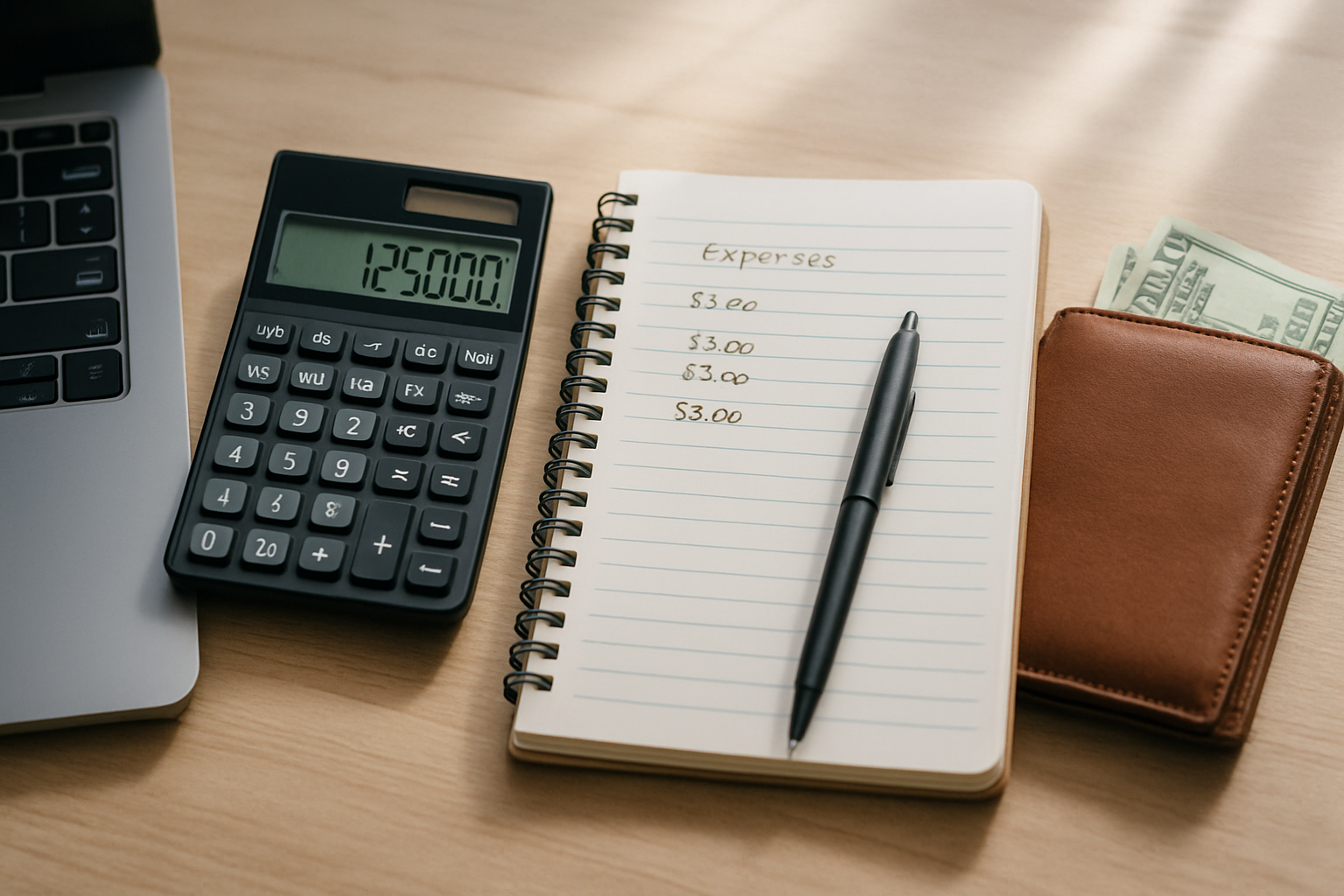
Tracking your expenses is one of the most practical skills you can build for better money control. When you know where your money goes, you can make smarter choices, reduce stress, and feel more confident about your finances. Many people avoid tracking because they think it is hard or time-consuming, but with the right tools and simple habits, it can become a natural part of daily life. This article explores easy ways to track your expenses, from basic methods to digital tools, and explains how to make expense tracking fit your lifestyle.
Why Tracking Expenses Matters
Expense tracking is the process of recording how you spend your money. This includes small daily purchases like coffee as well as larger bills like rent or utilities. When you track expenses, you create awareness. Awareness helps you see patterns, spot waste, and understand what truly matters to you.
Many people feel unsure about their finances because they rely on memory or guesswork. Memory is often inaccurate, especially when purchases are frequent and small. Tracking replaces guessing with clear information. Once you see the full picture, it becomes easier to plan, save, and avoid running out of money before the next paycheck.
Expense tracking is also useful for setting goals. Whether you want to pay off debt, build an emergency fund, or save for a vacation, knowing your current spending is the first step. Without this information, goals can feel distant or unrealistic.
Understanding Your Spending Categories
Before choosing a tool or method, it helps to understand how expenses are usually grouped. Categories make tracking clearer and more useful. Common categories include housing, food, transportation, utilities, entertainment, healthcare, and personal spending.
Housing often includes rent or mortgage, property taxes, and home insurance. Food is usually split into groceries and eating out. Transportation covers fuel, public transit, car payments, and maintenance. Utilities include electricity, water, internet, and phone bills.
Personal spending can include clothing, hobbies, subscriptions, and gifts. Entertainment may include streaming services, movies, or events. Healthcare includes insurance, doctor visits, and medications.
You do not need to use the same categories as everyone else. The goal is to create categories that make sense to you. Some people prefer fewer categories to keep things simple. Others like more detail. Both approaches can work as long as the categories help you understand your habits.
Manual Expense Tracking Methods
Manual tracking means you record expenses yourself. This approach works well for people who like hands-on control and simplicity. It also helps you stay aware of every purchase because you must actively write it down.
Using a Notebook or Journal
One of the simplest ways to track expenses is with a notebook. You write down each expense, including the date, amount, and category. This method requires no technology and works anywhere.
A notebook can be especially helpful if you are just starting out. Writing things down by hand can make spending feel more real. It also encourages you to pause and think before making purchases.
To use this method effectively, choose a small notebook that is easy to carry. Set aside a few minutes each day to update it. Consistency matters more than perfection. Even if you miss a few entries, getting back on track is what counts.
Paper Spreadsheets
Some people prefer creating simple tables on paper. You can draw columns for date, description, category, and amount. This adds a bit more structure than a plain notebook.
Paper spreadsheets are useful if you like seeing totals for each category. At the end of the week or month, you can add up the numbers and see how much you spent in each area.
This method takes more time than digital tools, but it offers full control and no distractions. It can be a good choice if you enjoy organizing information by hand.
Digital Tools for Expense Tracking
Digital tools make expense tracking faster and more automatic. They reduce manual work and often provide helpful charts and summaries. Many tools are designed for beginners and are easy to use.
Mobile Apps
Expense tracking apps are popular because they are convenient. You can record expenses as soon as they happen, using your phone. Many apps allow you to categorize expenses and add notes.
Some apps connect to your bank accounts and credit cards. They automatically import transactions, saving time. This feature is helpful if you make many purchases and want to avoid manual entry.
When choosing an app, look for one with a clean design and simple features. Too many options can feel overwhelming. Start with basic tracking and explore advanced features later if needed.
It is also important to review your data regularly. Apps can collect information, but the real value comes from looking at the trends and learning from them.
Spreadsheets on Computers or Tablets
Digital spreadsheets are a flexible option. Programs like spreadsheet software allow you to create custom layouts and formulas. You can design your own categories and track totals automatically.
This method works well for people who like customization. You can add columns for payment methods, notes, or monthly budgets. You can also create separate sheets for different months.
Spreadsheets require a bit of setup, but once they are ready, they are easy to maintain. Updating them a few times a week can keep your records accurate.
Bank and Credit Card Tools
Many banks offer built-in spending trackers. These tools categorize your transactions and show spending summaries. Because the data comes directly from your accounts, it is usually accurate.
Bank tools are useful if you want a quick overview without extra effort. However, they may not capture cash spending unless you enter it manually.
These tools often work best as a starting point. You can use them to understand your general habits and then decide if you need a more detailed system.
Tracking Cash Spending
Cash spending can be harder to track because it does not leave a digital record. However, it is still important to include it in your expense tracking.
One simple method is to keep receipts and record them daily. If receipts are not available, write down the amount and purpose as soon as possible.
Another approach is to limit cash spending to certain categories. For example, you might use cash only for groceries or entertainment. This makes tracking easier and more focused.
Some people use envelope systems with cash. Each envelope represents a category, and you only spend what is inside. This method naturally tracks spending because the cash itself is the record.
Making Expense Tracking a Habit
The best tracking system is one you actually use. Building a habit is more important than choosing the perfect tool. Start small and keep things simple.
Choose a regular time to update your expenses. This could be daily, every other day, or weekly. Pair it with an existing habit, like having morning coffee or winding down in the evening.
Set reminders if needed. Phone alarms or calendar alerts can help you stay consistent. Over time, tracking will feel more natural and require less effort.
Be kind to yourself if you miss a day or make a mistake. Expense tracking is a skill that improves with practice. The goal is progress, not perfection.
Reviewing and Understanding Your Data
Recording expenses is only the first step. Reviewing the data helps you learn from it. Regular reviews turn numbers into useful information.
Weekly reviews can help you stay on track. You can see if you are spending more than expected in certain categories. Monthly reviews provide a bigger picture and help with planning.
Look for patterns rather than judging individual purchases. For example, you might notice that eating out adds up quickly over time. This insight can guide future choices.
Use simple questions during reviews. Where did most of my money go? Which expenses felt worth it? Which ones did not add much value?
Adjusting Spending Based on What You Learn
Once you understand your spending habits, you can make adjustments. This does not mean cutting out all fun. It means aligning spending with your priorities.
If you notice high spending in one area, consider small changes. Cooking one extra meal at home each week or canceling unused subscriptions can make a difference.
Tracking also helps you plan for irregular expenses. Annual bills, gifts, and repairs can be included in your plan when you see them in your records.
Changes should feel realistic. Drastic cuts are hard to maintain. Small, steady adjustments are more sustainable.
Using Expense Tracking with a Budget
Expense tracking and budgeting work well together. Tracking shows what you actually spend, while a budget helps you plan future spending.
You can start by tracking expenses for a month without making changes. This gives you a clear baseline. Then you can create a simple budget based on real numbers.
A budget does not need to be strict. It can be a flexible guide. Expense tracking helps you see how closely you follow it and where adjustments are needed.
Even without a formal budget, tracking alone can improve awareness and control.
Handling Shared and Family Expenses
Tracking expenses becomes more complex when costs are shared. This might include family spending, roommates, or shared accounts.
Clear communication is important. Decide who tracks what and how often expenses are reviewed. Some families use shared apps or spreadsheets to keep everyone informed.
Assigning categories for shared expenses helps keep records clear. This can include groceries, household supplies, or utilities.
Regular check-ins can prevent misunderstandings and help everyone stay aligned.
Staying Motivated Over Time
Motivation can fade if tracking feels repetitive. To stay engaged, remind yourself why you started. Connect tracking to your goals, such as saving or reducing stress.
Celebrate small wins. Noticing improvement in a category or reaching a savings milestone can boost motivation.
You can also change methods if your current system feels boring. Switching from a notebook to an app, or vice versa, can renew interest.
Expense tracking is flexible. It can evolve as your life and finances change.
Common Challenges and Simple Solutions
Many people face similar challenges when tracking expenses. Forgetting to record purchases is common. Keeping tools easily accessible can help.
Feeling overwhelmed by details is another challenge. Simplifying categories or tracking less frequently can reduce stress.
Privacy concerns may arise with digital tools. Choosing reputable apps and using strong passwords can address this issue.
Cash flow changes, like irregular income, can also make tracking harder. In these cases, focusing on averages and trends can be more helpful than exact numbers.
Choosing the Right Method for You
The best expense tracking method depends on your personality, lifestyle, and goals. Some people enjoy detailed records, while others prefer quick overviews.
Think about how much time you want to spend and how comfortable you are with technology. There is no single correct choice.
You can also combine methods. For example, you might use an app for most expenses and a notebook for cash spending.
The most important factor is consistency. A simple method used regularly is more effective than a complex system used occasionally.
Growing Your Skills Over Time
As you become more comfortable with tracking, you may want to explore deeper insights. This can include comparing months, tracking savings progress, or analyzing seasonal spending.
You might also start planning ahead using past data. Knowing average expenses can help with future decisions and goal setting.
Expense tracking can become a foundation for other financial skills. It supports better budgeting, smarter saving, and more confident spending.
By keeping your system simple and focused, expense tracking remains a helpful tool rather than a burden.