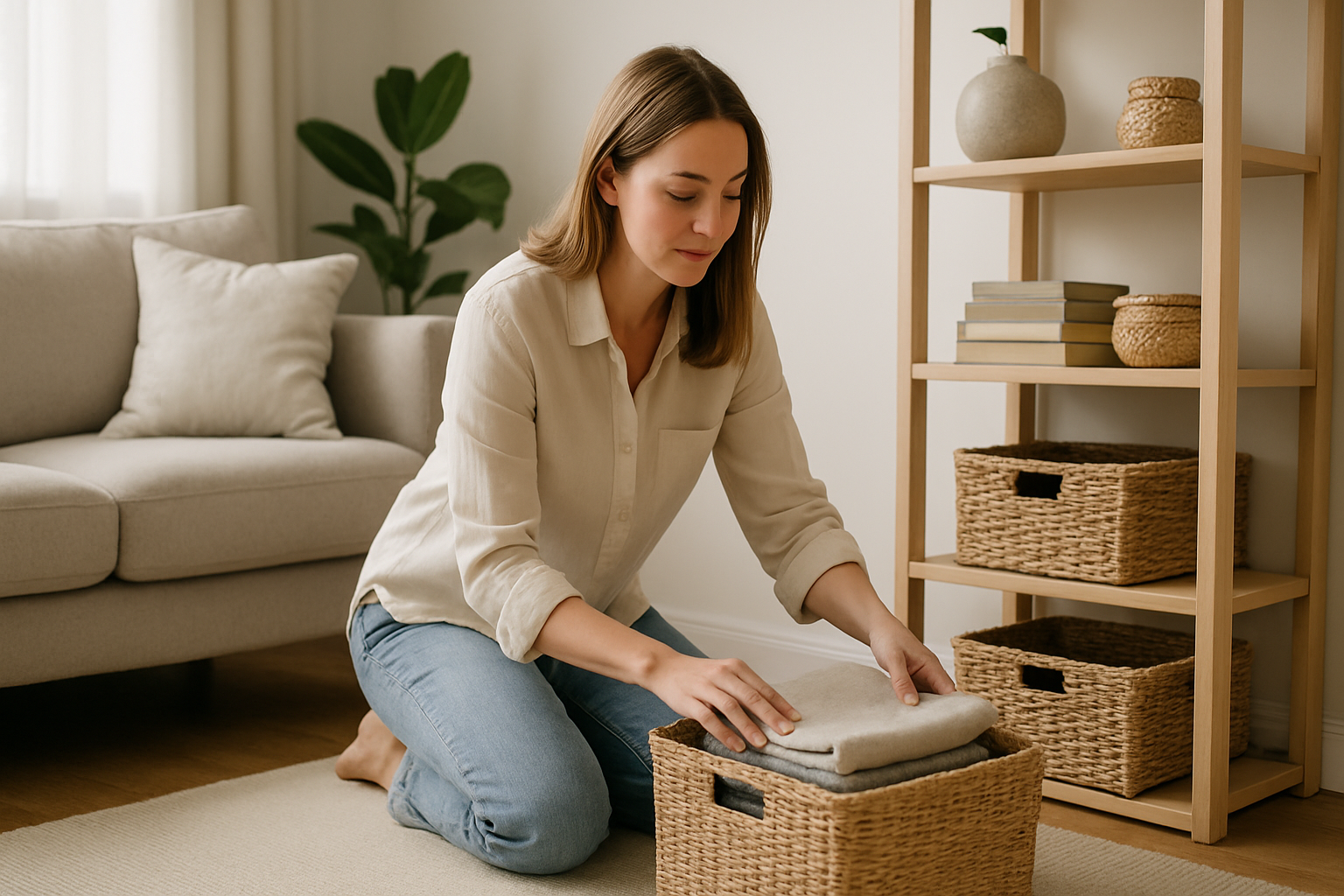
Organizing your home does not have to be stressful or exhausting. Many people avoid it because they picture huge messes, hard decisions, and long weekends lost to sorting piles. The truth is that home organization can be calm, steady, and even rewarding when you approach it the right way. This article walks you through clear, simple steps to help you organize your home without feeling overwhelmed, rushed, or frustrated.
Understanding Why Organizing Feels Stressful
Before you start moving items or buying storage bins, it helps to understand why organizing can feel so hard. Stress often comes from trying to do too much at once, feeling emotional about belongings, or not knowing where to begin. Many people also believe they must finish everything quickly, which adds pressure.
Another common reason is decision fatigue. Every item requires a choice: keep, donate, toss, or store. When you face hundreds of decisions in one day, your brain gets tired. This can lead to quitting halfway or stuffing things into random places just to be done.
Recognizing these challenges is important because it helps you plan around them. Organizing without stress is less about working harder and more about working smarter.
Setting the Right Mindset Before You Start
A calm mindset makes a big difference. Start by letting go of the idea that your home needs to look perfect. The goal is function, comfort, and ease, not a magazine photo. Your home should work for your life as it is right now.
Give yourself permission to go slowly. You do not need to organize your entire house in a weekend. Small progress adds up over time. Even organizing one drawer is a win.
It also helps to focus on how you want to feel in your space. Maybe you want to feel relaxed, clear-headed, or proud when you walk into a room. Keeping that feeling in mind can guide your decisions and keep you motivated.
Creating a Simple Plan
A plan does not need to be complicated. In fact, simple plans are easier to follow and less stressful. Start by walking through your home and writing down the areas that need attention. This could include rooms, closets, cabinets, or specific problem spots like the entryway or kitchen counter.
Once you have a list, choose one small area to start with. Starting small builds confidence and helps you learn what methods work best for you. Avoid starting with areas that are very emotional, like old photos or keepsakes, until you build momentum.
Set a realistic time limit for each session. Thirty to sixty minutes is often ideal. When you know there is a clear end time, it feels easier to begin.
Gathering Basic Supplies
You do not need expensive tools to organize your home. Having a few basic supplies ready can make the process smoother and prevent interruptions.
- Trash bags for broken or unusable items
- Boxes or bags for donations
- A container for items that belong in another room
- Cleaning cloths or wipes
- Simple storage bins, if needed
Try to avoid buying a lot of storage containers at the beginning. It is better to declutter first and then see what storage solutions actually fit your needs and space.
Using the One-Area-at-a-Time Method
One of the best ways to avoid overwhelm is to focus on one area at a time. This could be a single drawer, shelf, or corner of a room. Clear everything out of that space so you can see what you are working with.
As you handle each item, ask yourself a few simple questions. Do I use this? Do I need this? Do I like this? Does this item support the life I live now?
Put items into clear groups: keep, donate, toss, or relocate. Try not to create a “maybe” pile, as this often leads to delays and stress. Trust your first instinct whenever possible.
Making Decisions Without Guilt
Guilt is one of the biggest sources of stress during decluttering. You might feel bad about getting rid of gifts, expensive items, or things you have had for a long time. Remember that keeping something out of guilt does not honor the item or the person who gave it to you.
It helps to focus on the value the item brings to your life now, not the value it had in the past. If something is not useful or meaningful anymore, it is okay to let it go.
Donating items can also ease guilt. Knowing that someone else can use and enjoy what you no longer need can make the decision feel positive instead of painful.
Decluttering Room by Room
Living Room
The living room is often a shared space that collects many different items. Start by removing anything that does not belong there, such as dishes, paperwork, or clothes. Return these items to their proper rooms.
Next, focus on surfaces like coffee tables and shelves. Keep only items that are useful or decorative. Too many decorations can make a space feel cluttered, even if it is clean.
Use baskets or bins for items like remote controls, magazines, or toys. This keeps things easy to find while maintaining a tidy look.
Kitchen
The kitchen can feel overwhelming because it has many small items. Begin with one drawer or cabinet at a time. Take everything out and wipe the space clean.
Get rid of broken tools, duplicate gadgets, and items you never use. Store frequently used items within easy reach, and place rarely used items higher or farther back.
Group similar items together, such as baking tools, cooking utensils, or food storage containers. Clear grouping makes cooking easier and faster.
Bedroom
Your bedroom should feel calm and restful. Start with surfaces like nightstands and dressers. Remove items that do not belong, such as work papers or random clutter.
When organizing clothes, focus on what you actually wear. If something does not fit, is uncomfortable, or no longer matches your style, consider letting it go.
Use drawer dividers or small bins to keep socks, accessories, and personal items neat and easy to find.
Bathroom
Bathrooms often contain expired or unused products. Start by checking dates on medicines, makeup, and skincare items. Toss anything that is old or no longer safe to use.
Keep daily-use items accessible and store backup supplies neatly under the sink or in a cabinet. Avoid overfilling shelves, as this can make the space feel crowded.
Simple containers can help keep small items like hair ties, cotton swabs, and grooming tools organized.
Closets
Closets can quickly become cluttered because items are hidden from view. Take everything out so you can see how much you have.
Sort items into clear categories and be honest about what you use. If you have not worn something in a long time and it does not serve a special purpose, it may be time to let it go.
Place everyday items at eye level and special occasion items in less accessible areas. This makes daily routines smoother.
Handling Emotional and Sentimental Items
Sentimental items are often the hardest to organize. Photos, letters, and keepsakes can bring up strong feelings, which can slow progress.
Instead of dealing with these items first, save them for later when you feel more confident and less stressed. When you do address them, set a short time limit.
You do not need to keep everything to preserve memories. Choose a few meaningful items and let go of the rest. You can also take photos of items you want to remember without keeping the physical object.
Creating Simple Storage Systems
Good storage supports your daily habits. The best systems are easy to use and easy to maintain. Avoid systems that require too many steps or special effort.
Store items where you use them. For example, keep cleaning supplies near where you clean and office supplies near where you work.
Labeling can help everyone in the household know where things belong. Clear labels reduce confusion and make tidying up faster.
Managing Paper Clutter
Paper clutter can pile up quickly and cause stress. Start by gathering all papers into one place so you can see what you have.
Recycle junk mail and outdated documents right away. Keep only what is necessary, such as important records and current bills.
Create simple categories like “to pay,” “to file,” and “to act on.” Review these regularly to prevent buildup.
Organizing With Kids in Mind
If you have children, organization needs to work for them too. Keep systems simple and easy to understand.
Store toys and supplies at a height children can reach. Use bins with pictures or clear labels so kids know where items belong.
Involve children in the organizing process. Let them make choices about what to keep and where things go. This helps them feel responsible and more likely to help maintain order.
Maintaining Order Without Stress
Organizing is not a one-time task. Maintenance is key to keeping your home calm and clutter-free.
Spend a few minutes each day putting items back where they belong. Small daily habits prevent big messes.
Do regular quick check-ins, such as weekly or monthly resets of problem areas. This keeps clutter from building up again.
Be flexible and adjust systems as your life changes. What works now may need tweaking later, and that is okay.
Letting Go of Perfection
Finally, remember that an organized home is not about perfection. It is about creating a space that supports your life and makes daily tasks easier.
Some days will be messier than others. That does not mean you have failed. Organization is a skill that improves with practice.
By taking small steps, being kind to yourself, and focusing on progress instead of perfection, you can organize your home without stress and enjoy the process along the way.