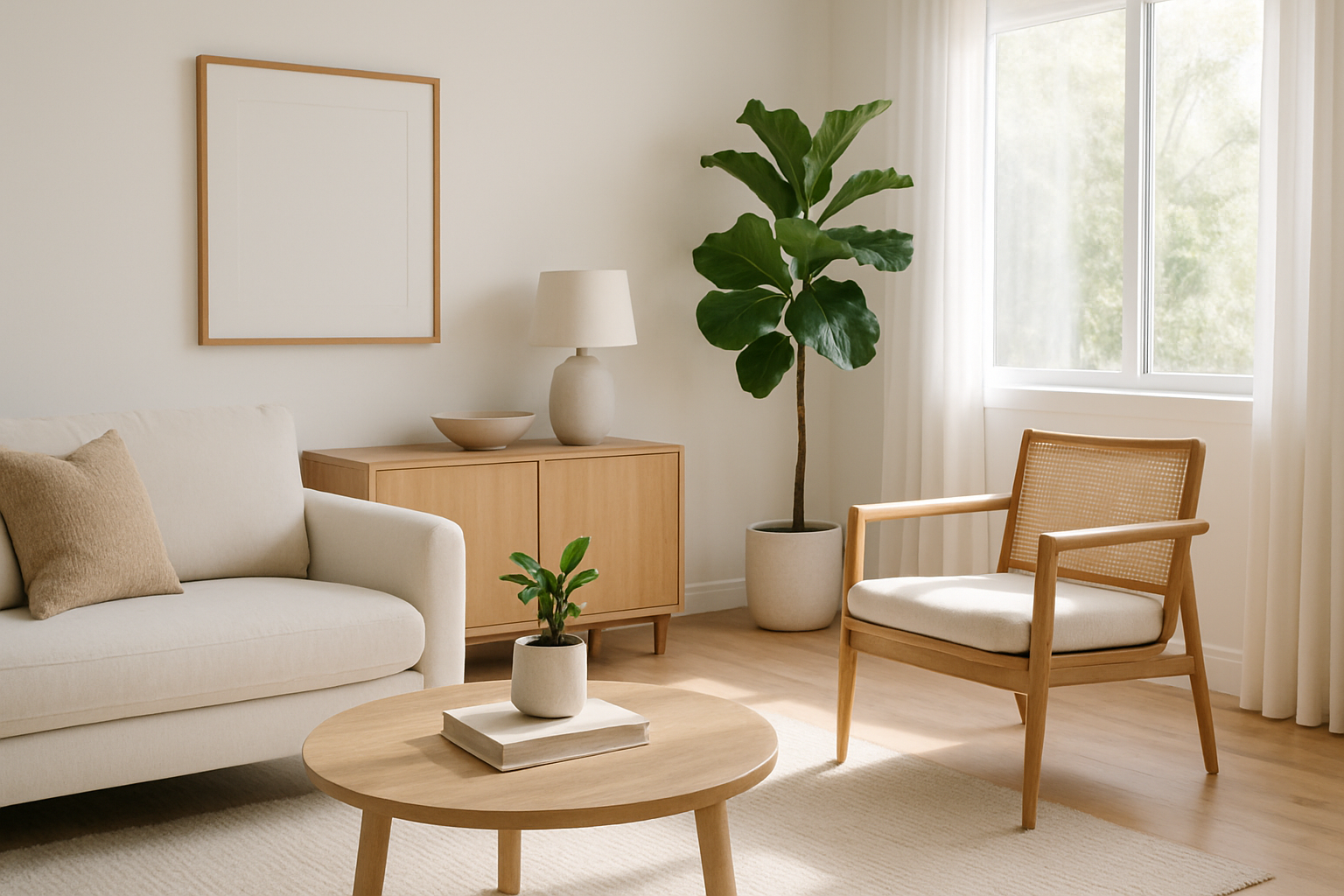
Living in a smaller home or apartment does not mean you have to feel cramped or uncomfortable. With the right design choices, even the smallest spaces can feel open, bright, and welcoming. Making a home feel more spacious is less about square footage and more about how you use light, color, layout, and furniture. Small changes can have a big impact, and many of them are affordable and easy to do on your own.
Understanding How Space Is Perceived
Before making changes, it helps to understand how people visually experience space. Our eyes are drawn to light, open areas, clear pathways, and consistent patterns. When a room is cluttered, dark, or broken up by too many colors and objects, it can feel smaller than it really is. On the other hand, when the eye can move freely around a room, the space feels larger and more relaxed.
Design tricks that make a home feel bigger often work by reducing visual barriers, increasing light, and creating a sense of flow from one area to another. These ideas can be applied to apartments, small houses, or even individual rooms that feel tight.
Using Light Colors to Open Up a Space
Color plays a major role in how big or small a room feels. Light colors reflect more light, which makes spaces feel open and airy. Dark colors absorb light and can make walls feel closer than they really are.
Wall Colors That Expand a Room
Soft whites, light grays, pale blues, and warm creams are popular choices for small spaces. These colors bounce light around the room and create a clean, calm background. You do not need to use pure white everywhere, but keeping wall colors light and consistent helps rooms feel connected and larger.
Using the same wall color in several connected rooms can also increase the feeling of space. When there are fewer color changes, the eye moves more smoothly through the home.
Ceiling Colors That Add Height
Painting the ceiling a lighter shade than the walls can make it feel higher. White or very light ceilings reflect light downward and create the illusion of more vertical space. In rooms with low ceilings, avoiding dark or bold ceiling colors can make a big difference.
Making the Most of Natural Light
Natural light is one of the most powerful tools for making a home feel spacious. Rooms filled with daylight almost always feel larger and more inviting.
Window Treatments That Let Light In
Heavy curtains and dark blinds can block light and make a room feel closed off. Choosing light, sheer curtains or simple roller shades allows sunlight to flow in while still offering privacy. Hanging curtain rods higher and wider than the window frame can also make windows appear larger.
If privacy allows, leaving windows uncovered during the day is one of the easiest ways to open up a space.
Keeping Windows Clear
Avoid placing large furniture in front of windows. Even partially blocking a window can reduce the amount of light entering the room. Keeping windowsills clear and clean helps maximize brightness and keeps the view open.
Smart Furniture Choices for Small Spaces
Furniture has a huge impact on how spacious a room feels. Choosing the right size, shape, and style can prevent a space from feeling crowded.
Choosing Furniture with the Right Scale
Oversized furniture can overwhelm a small room. Instead, look for pieces that fit the scale of the space. A loveseat instead of a full sofa, or a slim armchair instead of a bulky recliner, can leave more open floor area.
Furniture with exposed legs allows light to pass underneath, making the room feel more open. Pieces that sit directly on the floor can visually block space.
Multi-Functional Furniture
Furniture that serves more than one purpose is ideal for small homes. Examples include:
- Ottomans with hidden storage
- Sofa beds for guests
- Dining tables with leaves that fold down
- Beds with drawers underneath
Using fewer pieces that do more helps reduce clutter and keeps rooms feeling open.
Improving Layout and Flow
A thoughtful layout can make even a tight room feel comfortable. The goal is to create clear pathways and avoid blocking natural movement.
Creating Clear Walkways
Make sure there is enough space to walk easily through each room. Rearranging furniture to open up walkways can instantly improve how spacious a room feels. Avoid placing furniture where it interrupts natural paths between doors and key areas.
Floating Furniture
Pushing all furniture against the walls is not always the best choice. In some cases, floating furniture slightly away from the wall can create depth and improve flow. Even a few inches of space behind a sofa can make a room feel more intentional and less cramped.
Using Mirrors to Create Depth
Mirrors are a classic trick for making spaces feel larger. They reflect light and create the illusion of extra depth.
Best Places for Mirrors
Placing a mirror across from a window can double the amount of natural light in a room. Mirrors can also be used at the end of a hallway to make it feel longer, or behind furniture to add dimension.
Large mirrors tend to work better than several small ones. A single, well-placed mirror creates a cleaner look and a stronger sense of space.
Layered Lighting for a Bigger Feel
Good lighting makes a room feel open and comfortable, especially in the evening. Relying on one overhead light can create harsh shadows and make a space feel smaller.
Types of Lighting to Use
Layered lighting includes a mix of:
- Ambient lighting for overall brightness
- Task lighting for reading or working
- Accent lighting to highlight features
Using floor lamps, table lamps, and wall-mounted lights spreads light evenly throughout the room and reduces dark corners.
Uplighting for Height
Lamps that direct light upward draw the eye toward the ceiling, making the room feel taller. Wall sconces and tall floor lamps are especially helpful in rooms with low ceilings.
Decluttering to Free Visual Space
Clutter is one of the biggest reasons a home feels small. Too many items compete for attention and make rooms feel busy.
Editing What You Own
Keeping only what you use and love helps create breathing room. Regularly going through belongings and removing unused items can make a noticeable difference. Open surfaces like countertops and coffee tables should have some empty space.
Hidden Storage Solutions
Storage that hides clutter keeps rooms looking clean and open. Baskets, bins, cabinets, and drawers can store everyday items without adding visual noise. Built-in storage, when possible, blends into the room and saves space.
Using Vertical Space Wisely
When floor space is limited, looking upward can help. Vertical space is often underused in small homes.
Tall Shelving and Cabinets
Tall shelves and cabinets draw the eye upward and make ceilings feel higher. They also provide extra storage without taking up more floor space. Keeping items organized and not overfilled is key to maintaining an open feel.
Wall-Mounted Solutions
Wall-mounted desks, nightstands, and shelves free up floor space and create a lighter look. These pieces are especially useful in bedrooms, home offices, and entryways.
Flooring Choices That Expand a Room
Flooring has a strong visual impact on how large a space feels. The right choices can make rooms feel wider and more connected.
Consistent Flooring
Using the same flooring throughout multiple rooms creates a seamless look. Fewer transitions between different materials make the home feel larger and more unified.
Rug Placement Tips
Rugs should be large enough to anchor furniture. A rug that is too small can make a room feel chopped up. In living areas, placing at least the front legs of furniture on the rug helps define the space while keeping it open.
Doors and Openings That Improve Flow
Doors can take up valuable space and block sightlines. Making smart choices with doors can improve how open a home feels.
Sliding and Pocket Doors
Sliding doors and pocket doors save space by eliminating the swing of a traditional door. They work well for bathrooms, closets, and laundry areas.
Keeping Doors Open
When privacy allows, keeping doors open lets light travel between rooms and creates a sense of connection. Clear sightlines help the home feel larger and more welcoming.
Creating Visual Continuity
Visual continuity helps the eye move smoothly through a space. The fewer interruptions there are, the bigger the home feels.
Simple Color Palettes
Using a limited color palette throughout the home creates harmony. This does not mean everything must match, but colors should work well together. Soft variations of the same color family can add interest without breaking up the space.
Repeating Design Elements
Repeating shapes, materials, or finishes in different rooms helps tie the home together. For example, using similar wood tones or metal finishes throughout creates a cohesive look.
Textures and Patterns That Add Depth Without Crowding
Small spaces still need personality. Texture and pattern add interest, but they should be used thoughtfully.
Subtle Patterns
Large, bold patterns can overwhelm a small room. Subtle patterns, such as thin stripes or soft geometric designs, add character without making the space feel busy.
Layering Textures
Mixing textures like soft fabrics, smooth wood, and natural fibers adds warmth and depth. Keeping colors similar allows texture to stand out without shrinking the space.
Making Ceilings Feel Higher
Low ceilings can make rooms feel cramped, but there are ways to visually raise them.
Vertical Lines
Vertical stripes on walls, tall bookcases, and floor-to-ceiling curtains draw the eye upward. These elements create the illusion of height.
Minimal Ceiling Decor
Avoid heavy ceiling fixtures in low rooms. Choosing flush or semi-flush lights keeps the ceiling clear and open.
Connecting Indoor and Outdoor Spaces
If your home has a balcony, patio, or yard, using it as an extension of your living space can make your home feel larger.
Clear Views Outside
Keeping outdoor areas tidy and inviting encourages the eye to travel beyond the walls of the home. Glass doors and large windows help blur the line between inside and outside.
Using Similar Colors
Using similar colors or materials indoors and outdoors creates a visual connection. This trick makes the interior feel like part of a larger space.
Room-by-Room Ideas for a More Spacious Feel
Living Room
In the living room, focus on seating that fits the space and allows easy movement. Keep coffee tables light and open, and avoid too many decorative items. Wall-mounted shelves can replace bulky cabinets.
Bedroom
In bedrooms, choose a bed size that fits comfortably. Use under-bed storage and wall-mounted nightstands to free floor space. Soft, calming colors help the room feel restful and open.
Kitchen
In small kitchens, clear countertops make a big difference. Using open shelves sparingly and choosing light cabinet colors can make the space feel brighter. Reflective backsplashes also help bounce light around.
Bathroom
In bathrooms, wall-mounted vanities and mirrors that extend over the sink area help create a sense of openness. Keeping surfaces clear and using light-colored tiles can make even a tiny bathroom feel more comfortable.