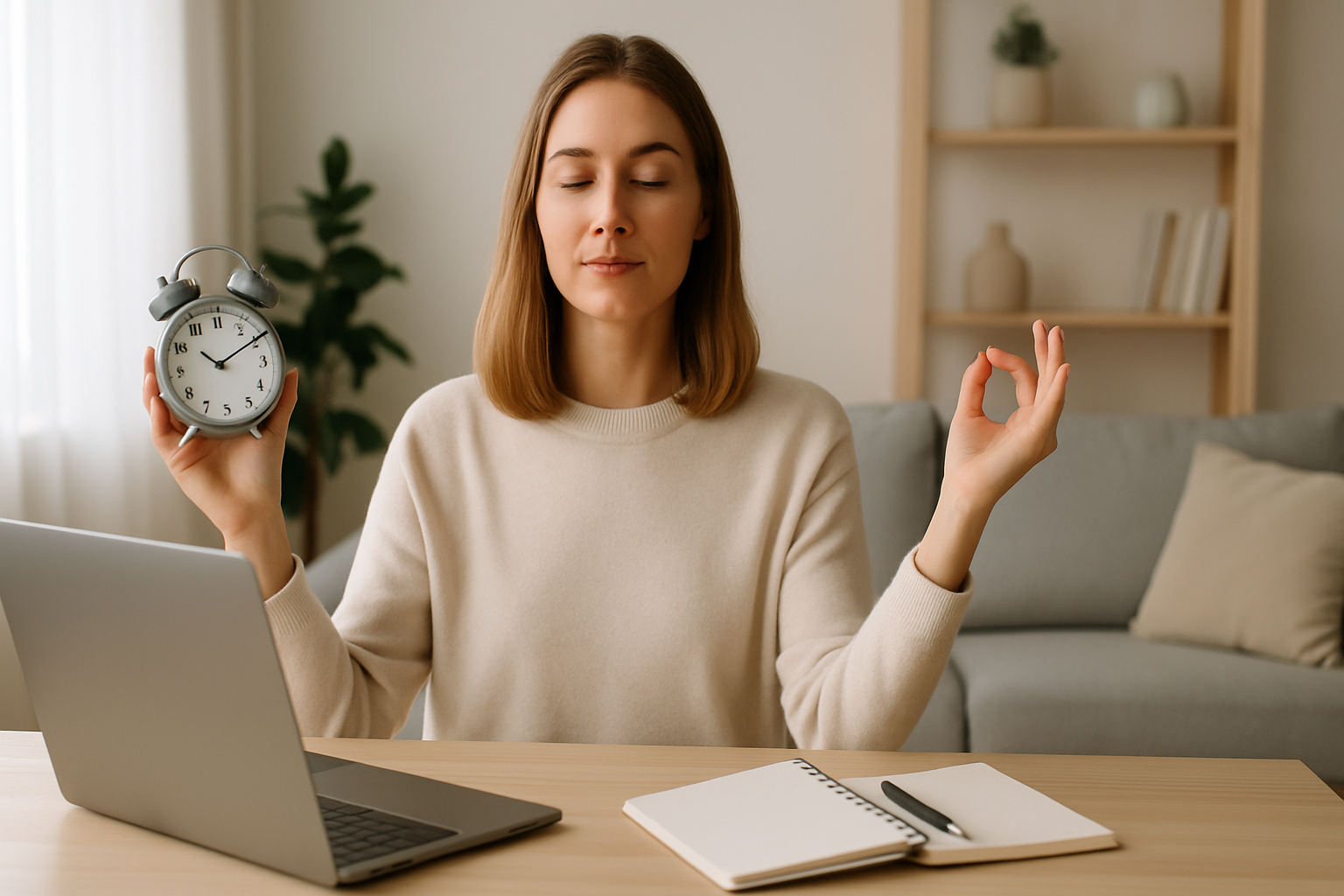
Creating a balanced lifestyle is about finding a steady rhythm between work, rest, and personal time so that daily life feels manageable and meaningful. Balance does not mean dividing every hour evenly or following a strict schedule that never changes. Instead, it means understanding your needs, setting clear priorities, and making choices that support your physical health, mental well-being, relationships, and goals. Many people feel stretched thin by busy schedules, constant notifications, and pressure to do more. A balanced lifestyle helps reduce that pressure by bringing intention and flexibility into how time and energy are used.
Understanding What Balance Really Means
Balance looks different for everyone. For some people, it means having clear work hours and unplugging in the evening. For others, it might involve flexible work schedules that allow more time with family or for personal interests. The key idea is not perfection but awareness. A balanced lifestyle is built by noticing when one area of life takes too much space and gently adjusting.
Balance also changes over time. During busy work seasons, work may need more attention. During times of stress or illness, rest may become the priority. Rather than aiming for a fixed routine, it helps to think in terms of balance over weeks or months instead of each single day.
Common Signs Life Feels Out of Balance
Many people sense imbalance before they can clearly explain it. Recognizing early signs can help you make small changes before stress builds up.
- Feeling tired even after a full night of sleep
- Constantly thinking about work during personal time
- Skipping meals, exercise, or hobbies due to lack of time
- Feeling irritable, overwhelmed, or unmotivated
- Neglecting relationships or social activities
Balancing Work Responsibilities
Work often takes up a large part of adult life, so managing it well is a major part of a balanced lifestyle. This does not mean working less all the time, but working more intentionally and setting boundaries that protect your energy.
Setting Healthy Work Boundaries
Boundaries help separate work life from personal life. Without boundaries, work can slowly take over evenings, weekends, and even rest time.
- Set clear work hours and try to stick to them
- Turn off work notifications after hours when possible
- Create a dedicated workspace to mentally separate work and home
- Communicate availability clearly with coworkers or clients
Even small boundaries can make a big difference. For example, choosing not to check email during meals helps protect personal time and reduces mental clutter.
Managing Workload and Expectations
Many people feel overwhelmed at work because they take on too much or feel pressure to always say yes. Learning to manage workload is an important skill.
- Break large tasks into smaller, manageable steps
- Prioritize tasks based on importance, not urgency alone
- Ask for help or clarification when needed
- Be realistic about how much can be done in a day
Clear communication with supervisors or teammates can prevent misunderstandings and reduce stress. Sharing progress updates and asking questions early often saves time and energy later.
The Role of Rest in a Balanced Lifestyle
Rest is not a reward for hard work; it is a basic need. Without enough rest, both productivity and well-being suffer. Rest includes sleep, relaxation, and mental breaks throughout the day.
Improving Sleep Habits
Sleep is the foundation of physical and mental health. Poor sleep can affect mood, focus, and overall energy.
- Go to bed and wake up at similar times each day
- Create a calming bedtime routine
- Limit screen time before bed
- Keep the bedroom cool, dark, and quiet
Even small improvements in sleep routines can lead to better focus and mood during the day.
Taking Breaks During the Day
Short breaks during work or daily tasks help reset the mind and body. Pushing through without breaks often leads to burnout.
- Stand up and stretch every hour
- Step outside for fresh air when possible
- Practice deep breathing or mindfulness for a few minutes
- Eat meals away from your work area
These breaks do not waste time. They help maintain energy and concentration, making work more effective.
Making Time for Personal Interests
Personal time is essential for creativity, joy, and self-expression. Hobbies and interests provide a sense of identity beyond work and responsibilities.
Identifying What Matters to You
Many people struggle to make personal time because they are unsure how they want to use it. Taking time to reflect can help.
- Think about activities that make you feel relaxed or excited
- Recall hobbies you enjoyed in the past
- Notice what you naturally gravitate toward in free moments
- Consider skills or interests you want to explore
Personal time does not need to be productive. Activities done purely for enjoyment are just as valuable.
Scheduling Personal Time Without Guilt
Some people feel guilty taking time for themselves, especially when there are many responsibilities. However, personal time supports long-term well-being.
- Treat personal time as an important appointment
- Start with small time blocks if schedules are tight
- Communicate needs clearly with family or roommates
- Remind yourself that rest and joy improve overall balance
Protecting personal time helps prevent resentment and exhaustion.
Balancing Social Connections
Relationships play a big role in a balanced lifestyle. Spending time with supportive people improves emotional health and provides a sense of belonging.
Nurturing Meaningful Relationships
Quality matters more than quantity when it comes to social connections.
- Schedule regular check-ins with close friends or family
- Be present during conversations
- Offer support and ask for help when needed
- Express appreciation openly
Strong relationships provide comfort during stressful times and add joy to everyday life.
Setting Social Boundaries
Social balance also means knowing when to say no. Overcommitting socially can be just as draining as overworking.
- Choose activities that truly matter to you
- Allow time between social events to recharge
- Respect your own energy levels
- Be honest about availability
Healthy boundaries help maintain relationships without causing burnout.
Physical Health and Daily Movement
Physical health supports every other area of life. Movement and nutrition affect energy, mood, and focus.
Finding Enjoyable Ways to Move
Exercise does not have to be intense or time-consuming to be beneficial.
- Choose activities you enjoy, such as walking or dancing
- Incorporate movement into daily routines
- Set realistic goals based on your lifestyle
- Focus on consistency rather than intensity
Regular movement helps reduce stress and supports long-term health.
Eating to Support Energy
Balanced nutrition fuels the body and mind.
- Eat regular meals throughout the day
- Include a mix of proteins, carbohydrates, and healthy fats
- Stay hydrated
- Avoid skipping meals due to busyness
Simple, regular eating habits help maintain steady energy levels.
Mental and Emotional Balance
Mental and emotional health are central to a balanced lifestyle. Managing stress and emotions helps improve focus, relationships, and overall happiness.
Managing Stress Effectively
Stress is a normal part of life, but how it is managed makes a difference.
- Identify common stress triggers
- Practice relaxation techniques like deep breathing
- Write thoughts down to clear your mind
- Seek support when stress feels overwhelming
Healthy stress management builds resilience over time.
Practicing Self-Compassion
Many people are hard on themselves when they feel out of balance. Self-compassion encourages patience and understanding.
- Recognize that balance is an ongoing process
- Avoid comparing your life to others
- Celebrate small improvements
- Allow flexibility when plans change
Being kind to yourself supports long-term balance.
Creating Daily and Weekly Routines
Routines provide structure and reduce decision fatigue. They help ensure that important areas of life receive attention.
Designing a Flexible Daily Routine
A good routine supports goals without feeling restrictive.
- Include time for work, rest, and personal activities
- Leave space for unexpected events
- Review and adjust routines regularly
- Focus on habits rather than strict schedules
Flexibility allows routines to support balance instead of creating pressure.
Weekly Check-Ins With Yourself
Weekly reflection helps maintain balance over time.
- Review how time and energy were spent
- Notice what felt draining or energizing
- Adjust priorities for the coming week
- Set realistic intentions
Regular check-ins keep balance aligned with current needs.
Using Technology Mindfully
Technology can support or disrupt balance depending on how it is used.
Reducing Digital Overload
Constant notifications and screen time can increase stress.
- Turn off unnecessary notifications
- Set specific times to check messages
- Take screen-free breaks during the day
- Create tech-free zones at home
Mindful technology use frees up mental space.
Using Tools to Support Balance
When used intentionally, technology can help organize life.
- Use calendars to schedule personal time
- Set reminders for breaks or movement
- Track habits to build consistency
- Use relaxation or meditation apps if helpful
The goal is to make technology work for you, not against you.
Adapting Balance During Life Changes
Life changes such as new jobs, moving, or family changes can disrupt balance. Adapting with patience helps maintain stability.
Adjusting Expectations
During transitions, balance may look different.
- Accept temporary imbalance as part of change
- Focus on basic needs first
- Lower expectations when necessary
- Gradually rebuild routines
Flexibility supports smoother transitions.
Seeking Support When Needed
No one has to manage balance alone.
- Talk to trusted friends or family
- Seek professional guidance if stress is high
- Share responsibilities when possible
- Stay connected to supportive communities
Support systems make balanced living more achievable.
Building Long-Term Balance Through Small Steps
A balanced lifestyle is built over time through consistent, small choices. Big changes are not always necessary.
- Focus on one area to improve at a time
- Build habits slowly
- Notice progress instead of perfection
- Adjust as life evolves
Small steps add up and help create a lifestyle that feels steady, healthy, and fulfilling.