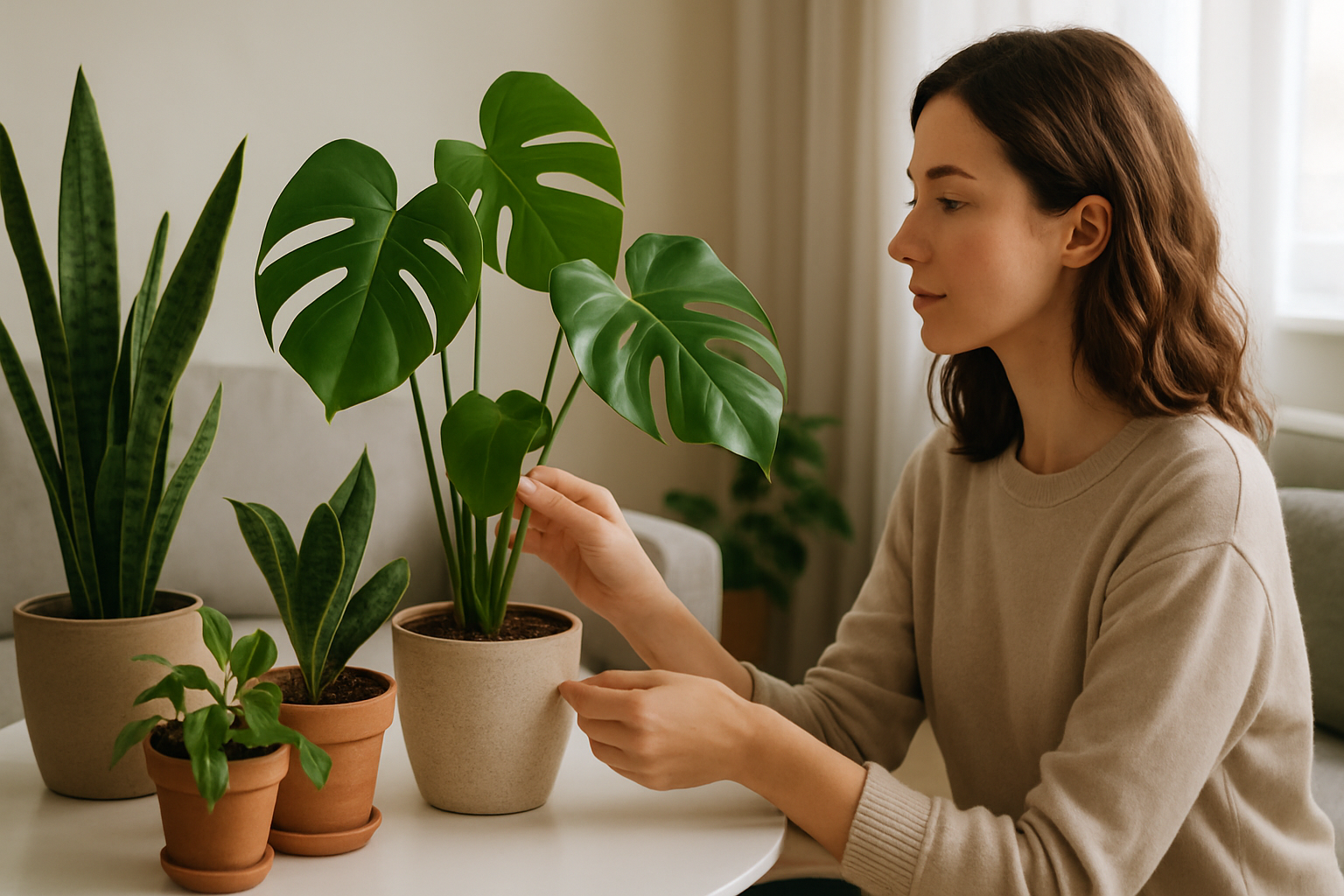
Choosing the right houseplants can feel exciting and confusing at the same time. Plants can make a home feel calmer, brighter, and more alive, but not every plant works well in every space or lifestyle. Some plants love attention, while others prefer to be left alone. Some need bright sunlight all day, while others grow happily in darker corners. This guide is designed to help you understand how to pick houseplants that truly fit your daily routine, your home environment, and your personal preferences.
Why Choosing the Right Houseplant Matters
Houseplants are living things, and like people, they have individual needs. When a plant’s needs do not match its environment, it can struggle. Leaves may turn yellow, growth may slow down, or the plant may die. This can feel discouraging, especially for beginners. Choosing the right plant from the start makes care easier and more enjoyable.
When plants match your lifestyle, they tend to thrive with less effort. You spend less time worrying and more time enjoying their beauty. The right plants can improve mood, add color and texture to your rooms, and help create a space that feels welcoming and comfortable.
Understanding Your Home Environment
Before buying any plant, it is important to understand the conditions inside your home. Even two homes on the same street can have very different light, temperature, and humidity levels. Taking time to notice these details will help you make better choices.
Light Levels in Your Home
Light is one of the most important factors for plant health. Most houseplants are labeled with light requirements such as bright light, indirect light, or low light. These terms can be confusing, but they are easier to understand once you observe your space.
Bright light usually means being close to a sunny window, especially one that faces south or west. Indirect light means the plant gets plenty of light but not direct sun on its leaves. Low light areas are spots farther from windows or in rooms with small windows.
Walk through your home at different times of the day and notice where sunlight falls. Pay attention to how long the light lasts and how strong it feels. This simple habit can help you avoid placing a sun-loving plant in a dark corner or a shade-loving plant in harsh sunlight.
Temperature and Air Flow
Most houseplants prefer temperatures that feel comfortable to people, usually between 65 and 75 degrees Fahrenheit. However, sudden changes can stress plants. Drafts from doors, windows, air conditioners, and heating vents can cause problems.
Check where your vents are located and avoid placing plants directly in the path of strong air flow. If your home tends to be cooler in winter or warmer in summer, choose plants that can handle those changes.
Humidity Levels
Humidity refers to the amount of moisture in the air. Some plants, especially tropical ones, enjoy higher humidity. Homes in dry climates or with strong heating systems may have very dry air.
If your home feels dry, you can still enjoy humidity-loving plants, but you may need to mist them, group them together, or place them near a humidifier. If you prefer low-maintenance care, consider plants that tolerate dry air well.
Matching Plants to Your Lifestyle
Your daily routine plays a big role in plant success. Being honest about your habits helps you choose plants that fit naturally into your life.
How Much Time Can You Spend on Plant Care?
Some people enjoy checking their plants every day, while others prefer to water once every few weeks. Neither approach is wrong, but different plants suit different care styles.
If you enjoy hands-on care, you might like plants that need regular watering, pruning, or cleaning. If you have a busy schedule, look for plants that forgive missed watering and do not need frequent attention.
Travel and Time Away from Home
If you travel often or spend weekends away, plant choice becomes even more important. Plants that need frequent watering may suffer if left alone too long.
Drought-tolerant plants are a good choice for travelers. These plants store water in their leaves or stems and can go longer between watering. Planning ahead helps prevent coming home to stressed or damaged plants.
Your Experience Level
Beginners often do best with hardy plants that show clear signs when they need care. More experienced plant owners may enjoy the challenge of sensitive or rare plants.
Starting with easy plants builds confidence and helps you learn basic skills like watering, light placement, and pest spotting. Over time, you can expand your collection as your knowledge grows.
Considering Space and Size
Plants come in many shapes and sizes, and it is important to consider how much room you have. A plant that looks small at the store may grow much larger over time.
Small Spaces and Apartments
If you live in a small apartment or have limited floor space, compact plants work well. Plants that grow upward rather than outward can save space. Hanging plants are also a great option, as they use vertical space and add visual interest.
Consider shelves, windowsills, and tabletops when choosing plant sizes. Make sure there is enough room for the plant to grow without feeling crowded.
Large Rooms and Open Areas
Bigger rooms can handle larger plants that make a strong visual impact. Floor plants can fill empty corners and help balance large furniture pieces.
When choosing large plants, think about their mature size and weight. Make sure the pot and floor can support them, and that you can move them if needed.
Pets, Children, and Safety
Safety is an important factor when choosing houseplants, especially if you share your home with pets or young children.
Pet-Friendly Plant Choices
Some common houseplants can be harmful if pets chew on them. Cats and dogs are often curious and may nibble on leaves. Choosing non-toxic plants can give you peace of mind.
Even pet-safe plants should be placed carefully. Too much chewing can still damage the plant and upset a pet’s stomach.
Plants and Young Children
Children may touch, pull, or taste plants out of curiosity. Plants with sharp edges, thorns, or toxic parts are best avoided.
Sturdy plants that can handle a bit of handling are often better for family homes. Placing plants out of reach can also reduce risk.
Allergies and Sensitivities
Some people are sensitive to strong scents, pollen, or mold. While most houseplants do not produce much pollen, certain flowering plants may cause discomfort.
If allergies are a concern, choose plants with simple foliage and avoid those known for strong fragrances. Proper watering and good air flow can also help prevent mold growth in soil.
Understanding Different Types of Houseplants
Houseplants can be grouped into broad categories based on their growth habits and care needs. Knowing these categories makes it easier to narrow down your choices.
Foliage Plants
Foliage plants are grown mainly for their leaves. They come in many colors, shapes, and patterns. These plants often do not require as much light as flowering plants and can be easier to maintain.
They are a good choice for adding greenery to living rooms, bedrooms, and offices. Many foliage plants grow steadily and provide long-lasting beauty.
Flowering Plants
Flowering houseplants add color and interest, but they often need more care. They may require brighter light, regular feeding, and careful watering.
Some flowering plants bloom for a short time and then rest, while others can flower repeatedly with proper care. Understanding their blooming cycle helps set realistic expectations.
Succulents and Cacti
Succulents and cacti store water in their leaves or stems. This makes them well-suited for people who prefer infrequent watering.
These plants usually need bright light and well-draining soil. Overwatering is a common mistake, so it is important to let the soil dry out between watering.
Vining and Trailing Plants
Vining plants can climb, trail, or hang, making them very versatile. They work well in hanging baskets or on shelves where their stems can drape down.
These plants can add movement and softness to a room. Some grow quickly and may need regular trimming to keep them tidy.
Choosing Plants for Different Rooms
Each room in your home has its own conditions and uses. Matching plants to specific rooms can improve their chances of success.
Living Rooms
Living rooms often have the best light and most space. This makes them ideal for a wide range of plants, including larger floor plants and decorative foliage plants.
Choose plants that match how the room is used. If the space is busy, sturdy plants that can handle movement and occasional bumps are a good choice.
Bedrooms
Bedrooms usually have lower light and cooler temperatures. Plants that tolerate these conditions work best.
Choose plants with a calm appearance and avoid those with strong scents. Easy-care plants can add a peaceful feel without demanding too much attention.
Kitchens
Kitchens often have higher humidity from cooking, which some plants enjoy. Window light in kitchens can be strong, especially near sinks.
Compact plants fit well on counters and windowsills. Herbs are a popular choice, as they are both decorative and useful.
Bathrooms
Bathrooms can be challenging due to low light, but they often have high humidity. Plants that love moisture can thrive here if there is enough light.
If your bathroom has a window, you have more options. Without natural light, consider plants that tolerate low light conditions.
Budget and Long-Term Costs
Houseplants come in a wide range of prices. While it can be tempting to buy the cheapest option, it is important to think about long-term value.
A healthy, well-grown plant may cost more upfront but can last for years. Cheaper plants may need more care or replacement. Also consider the cost of pots, soil, and basic tools when planning your budget.
Buying Healthy Plants
Choosing a healthy plant at the store gives you a strong starting point. Take a few minutes to inspect plants before buying.
What to Look For
Healthy plants usually have firm stems, evenly colored leaves, and new growth. Avoid plants with many yellow or brown leaves, mushy stems, or signs of pests.
Check the soil as well. It should not be overly dry or soaking wet. Roots should not be growing heavily out of the drainage holes.
Where to Buy Plants
Plants can be purchased from garden centers, nurseries, and even grocery stores. Local nurseries often offer better quality and helpful advice.
Online shopping can be convenient, but it is important to choose sellers with good reviews and clear care information.
Basic Care Considerations
Understanding basic care needs helps you choose plants you can realistically maintain.
Watering Habits
Overwatering is one of the most common reasons houseplants fail. Different plants need different watering schedules.
Learning to check soil moisture with your finger can prevent many problems. Some plants prefer to dry out between watering, while others like consistently moist soil.
Soil and Drainage
Good drainage is essential for healthy roots. Pots should have drainage holes, and soil should match the plant’s needs.
Using the right soil helps prevent water from sitting around roots, which can cause rot.
Feeding and Fertilizer
Plants need nutrients to grow, but too much fertilizer can be harmful. Many houseplants only need feeding during active growth periods.
Choosing low-maintenance plants reduces the need for frequent feeding and careful schedules.
Seasonal Changes and Plant Needs
Plants respond to seasonal changes even indoors. Light levels and temperature can shift throughout the year.
In winter, many plants grow more slowly and need less water. In spring and summer, they may need more frequent care. Choosing adaptable plants makes these transitions easier.
Sustainability and Plant Choices
Many people want to make environmentally friendly choices. Selecting plants grown responsibly and using reusable pots can reduce waste.
Propagating plants from cuttings is another way to expand your collection without buying new plants. This approach can be rewarding and budget-friendly.
Growing With Your Plants
Choosing the right houseplants is not just about shopping, but about learning and observing over time. Plants teach patience and attention.
As you gain experience, you may find your lifestyle changes or your confidence grows. This can open the door to new plant types and care styles, allowing your indoor garden to evolve naturally.