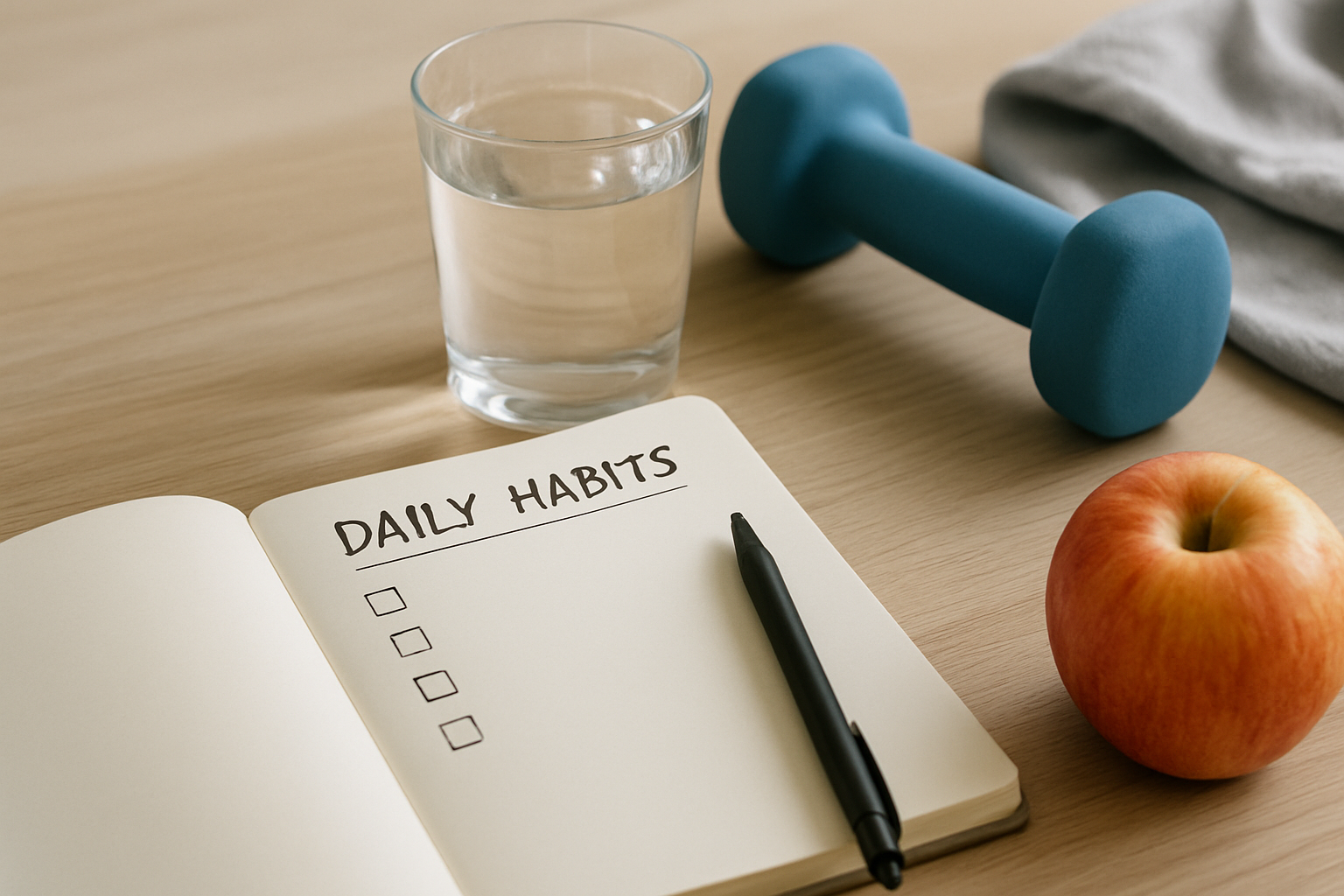
Building healthy daily habits is not about willpower or perfection. It is about learning how small actions, done often, slowly shape how you feel, think, and live. Many people believe healthy habits require big life changes, strict schedules, or endless motivation. In real life, habits grow best when they fit naturally into your day and support your energy instead of draining it. This article explores a realistic, flexible approach to building healthy daily habits that can last through busy weeks, low motivation days, and changing life seasons.
What Daily Habits Really Are
A daily habit is a behavior you repeat so often that it becomes automatic. You do not need to think much about it. Brushing your teeth, checking your phone, or putting on your seatbelt are examples. Healthy habits work the same way. When they become automatic, they stop feeling like extra work.
Many people think habits are about discipline. In reality, habits are about patterns. Your brain likes routines because they save energy. When you repeat an action in the same context, your brain learns to do it with less effort. Over time, the habit feels easier, not harder.
Healthy habits are not only about exercise and food. They include sleep routines, stress management, social connection, hydration, posture, screen use, and how you talk to yourself. Every small habit sends signals to your body and mind about how to function each day.
Why Most Habit Plans Fail
Many habit plans fail because they are built on unrealistic expectations. People often start with too many changes at once. They may decide to wake up early, exercise every day, eat perfectly, meditate, and stop all bad habits in one week. This approach overwhelms the brain and body.
Another reason habits fail is relying on motivation. Motivation rises and falls. It is influenced by sleep, stress, weather, mood, and life events. When a habit depends on feeling motivated, it will disappear during hard days.
All-or-nothing thinking also causes problems. Missing one workout or eating one unhealthy meal can lead people to give up entirely. This mindset turns small slips into full stops. Healthy habits are built through consistency, not perfection.
Finally, many plans ignore real life. Work deadlines, family needs, illness, and travel all affect routines. Habits that only work in ideal conditions are not built to last.
Starting With the Right Mindset
Before changing behavior, it helps to adjust how you think about habits. Healthy habits are not rules to follow. They are tools to support your life. This shift reduces pressure and guilt.
It also helps to view habits as experiments. Instead of saying, “I must do this forever,” think, “I will try this for two weeks and see how it feels.” This lowers resistance and builds curiosity.
Another helpful mindset is focusing on identity rather than outcomes. Instead of saying, “I want to lose weight,” think, “I am becoming someone who takes care of their body.” Daily habits then become actions that match who you want to be.
Patience is essential. Habits take time to form, especially when life is busy. Progress often feels slow at first. Small changes may not show big results right away, but they create a strong foundation.
Choosing Habits That Fit Your Life
The best habits are personal. What works for one person may not work for another. Your schedule, energy levels, health needs, and responsibilities all matter.
Start by observing your current day. Notice when you feel most alert, when you feel tired, and when you feel rushed. Healthy habits should fit into natural gaps instead of fighting against them.
For example, if mornings are chaotic, adding a long morning routine may not be realistic. A short habit, like drinking water or stretching for two minutes, may fit better.
It also helps to connect habits to what you value. If you value family, a habit of walking together after dinner may feel meaningful. If you value calm, a short breathing habit before bed may feel supportive.
Focus on One Habit at a Time
Trying to change everything at once spreads your attention too thin. Focusing on one habit allows you to give it enough time and energy to become stable.
Once a habit feels automatic, adding another becomes easier. This layered approach builds momentum without overload.
If you feel excited to change many things, write them down. Choose the one that feels easiest or most helpful right now. The others can wait.
Making Habits Small and Simple
Small habits are powerful because they are easy to repeat. A habit does not need to be big to make a difference. In fact, smaller habits often last longer.
If your goal is to exercise more, the habit could be putting on workout shoes each morning. If your goal is better nutrition, the habit could be adding one vegetable to lunch.
Small habits reduce resistance. Your brain is less likely to push back against a task that takes one or two minutes. Over time, these small actions naturally grow.
It is better to do a tiny habit every day than a big habit once a week. Consistency builds trust with yourself.
The Power of Habit Anchors
Habit anchors link a new habit to something you already do. This helps your brain remember when to perform the habit.
For example, you can stretch after brushing your teeth, drink water after waking up, or take a deep breath before opening your email.
The anchor should be something that already happens daily. This creates a reliable cue and reduces the need for reminders.
Designing Your Environment for Success
Your environment plays a major role in shaping habits. It often matters more than motivation. When healthy choices are easy and visible, you are more likely to follow through.
If you want to eat more fruit, keep fruit on the counter. If you want to read more, place a book near your bed. If you want to move more, keep comfortable shoes by the door.
At the same time, make unhealthy habits harder. Store snacks out of sight, keep your phone out of the bedroom, or turn off unnecessary notifications.
These small environmental changes reduce decision fatigue and support better choices without effort.
Using Visual Cues and Reminders
Visual cues help keep habits top of mind. Notes, calendars, or habit trackers can serve as gentle reminders.
The goal is not to create pressure but to support awareness. Seeing your habit regularly helps reinforce it as part of your routine.
Some people enjoy checking off habits each day. Others prefer simple reminders. Choose what feels encouraging, not stressful.
Building Healthy Movement Habits
Movement is a key part of daily health, but it does not have to mean intense workouts. Healthy movement includes walking, stretching, lifting, dancing, and changing positions throughout the day.
The best movement habit is one you enjoy or at least do not dislike. Enjoyment increases consistency. If you hate running, forcing yourself to run is unlikely to last.
Start by adding movement into your existing day. Walk during phone calls, stretch while watching TV, or take short movement breaks during work.
Consistency matters more than intensity. Five to ten minutes of daily movement can improve energy, mood, and joint health over time.
Reducing Sedentary Time
Sitting for long periods can affect circulation, posture, and energy. Reducing sedentary time is a helpful habit even without formal exercise.
Simple habits include standing up every hour, stretching your back and neck, or walking around the room between tasks.
These small breaks help your body reset and prevent stiffness.
Creating Supportive Eating Habits
Healthy eating habits focus on patterns, not strict rules. They support nourishment, energy, and enjoyment.
One effective approach is adding rather than removing. Add fruits, vegetables, protein, or water before focusing on cutting foods out.
Regular meal timing is another helpful habit. Eating at consistent times helps regulate hunger and energy levels.
Mindful eating habits, such as slowing down or eating without screens, can improve digestion and satisfaction.
Planning Without Perfection
Simple planning supports better food choices. This does not require detailed meal plans or complicated recipes.
Planning can mean keeping basic ingredients available or deciding meals for the next day.
Flexibility is important. Plans should guide, not control. Life will sometimes change, and that is normal.
Supporting Healthy Sleep Habits
Sleep affects every part of health, including mood, focus, metabolism, and immune function. Daily habits strongly influence sleep quality.
Consistent sleep and wake times help regulate your body clock. Even on weekends, keeping times similar can improve sleep.
Wind-down habits signal to your body that it is time to rest. These may include dimming lights, stretching, or reading.
Reducing screen use before bed can help, as light and stimulation can delay sleep.
Creating a Sleep-Friendly Routine
A bedtime routine does not need to be long. Even ten minutes of calming activity can make a difference.
The key is consistency. Doing the same actions each night helps your body recognize the pattern.
If sleep is challenging, start with one small change rather than trying to fix everything at once.
Managing Stress Through Daily Habits
Stress is part of life, but daily habits can help regulate how your body responds to it. Small stress-reducing habits practiced regularly are more effective than occasional big efforts.
Breathing exercises, short walks, or moments of stillness can help calm the nervous system.
Writing down thoughts, even for a few minutes, can reduce mental clutter.
Connecting with others, whether through conversation or shared activities, also supports emotional health.
Building Emotional Awareness
Noticing your emotions without judgment is a healthy habit. This awareness helps you respond instead of reacting.
Simple habits like naming how you feel or checking in with your body can increase emotional regulation.
These habits support resilience during stressful times.
Tracking Progress Without Pressure
Tracking habits can be helpful, but it should feel supportive, not punishing. The purpose of tracking is awareness, not control.
Simple methods work best. A checkmark on a calendar or a short note is often enough.
If tracking becomes stressful, it may be better to pause or simplify it.
Progress is not always visible day to day. Tracking can help you see patterns over time.
Handling Missed Days
Missing a day is normal. It does not mean the habit has failed.
The most important habit skill is restarting. Returning to the habit the next day builds resilience.
A helpful rule is to avoid missing twice in a row. This keeps habits from fading.
Adjusting Habits as Life Changes
Life is not static. Schedules, energy levels, and responsibilities change. Healthy habits should adapt rather than break.
During busy or stressful periods, habits may need to shrink. A five-minute habit may replace a longer one.
During calmer times, habits may naturally expand.
Regularly checking in with your habits helps ensure they still fit your current life.
Letting Go of Habits That No Longer Serve You
Not every habit needs to last forever. Some habits are useful for a season.
If a habit feels draining or no longer aligns with your needs, it is okay to adjust or let it go.
Healthy habit building is about support, not obligation.
Building Habits With Self-Compassion
Self-compassion is a powerful habit-building tool. Treating yourself with kindness during setbacks helps you stay engaged.
Negative self-talk often leads to giving up. Supportive self-talk encourages learning and persistence.
Recognizing effort, not just outcomes, builds confidence.
Healthy habits grow best in an environment of patience and understanding.
Using Social Support and Accountability
Humans are social beings. Sharing habits with others can increase consistency and enjoyment.
This support can be a friend, family member, or group with similar goals.
Accountability does not mean pressure. It means encouragement and shared commitment.
Even small check-ins can make habits feel more meaningful.
Setting Boundaries Around Habits
Healthy habits sometimes require boundaries. This may include protecting time for sleep, movement, or meals.
Communicating your needs clearly helps others understand and respect your habits.
Boundaries support long-term consistency and reduce burnout.
Connecting Habits to Meaning
Habits are easier to maintain when they connect to something meaningful. This meaning may be health, family, freedom, or personal growth.
Reflecting on why a habit matters can renew motivation during difficult days.
Meaning gives habits depth beyond daily tasks.
When habits align with your values, they feel less like chores and more like care.
Allowing Habits to Evolve Naturally
Healthy habits are not static. They evolve as you learn more about yourself.
What starts as a small habit may grow into a larger routine. What once felt hard may become automatic.
Staying open to adjustment keeps habits flexible and realistic.
The process of building healthy daily habits is ongoing, personal, and deeply connected to everyday life.