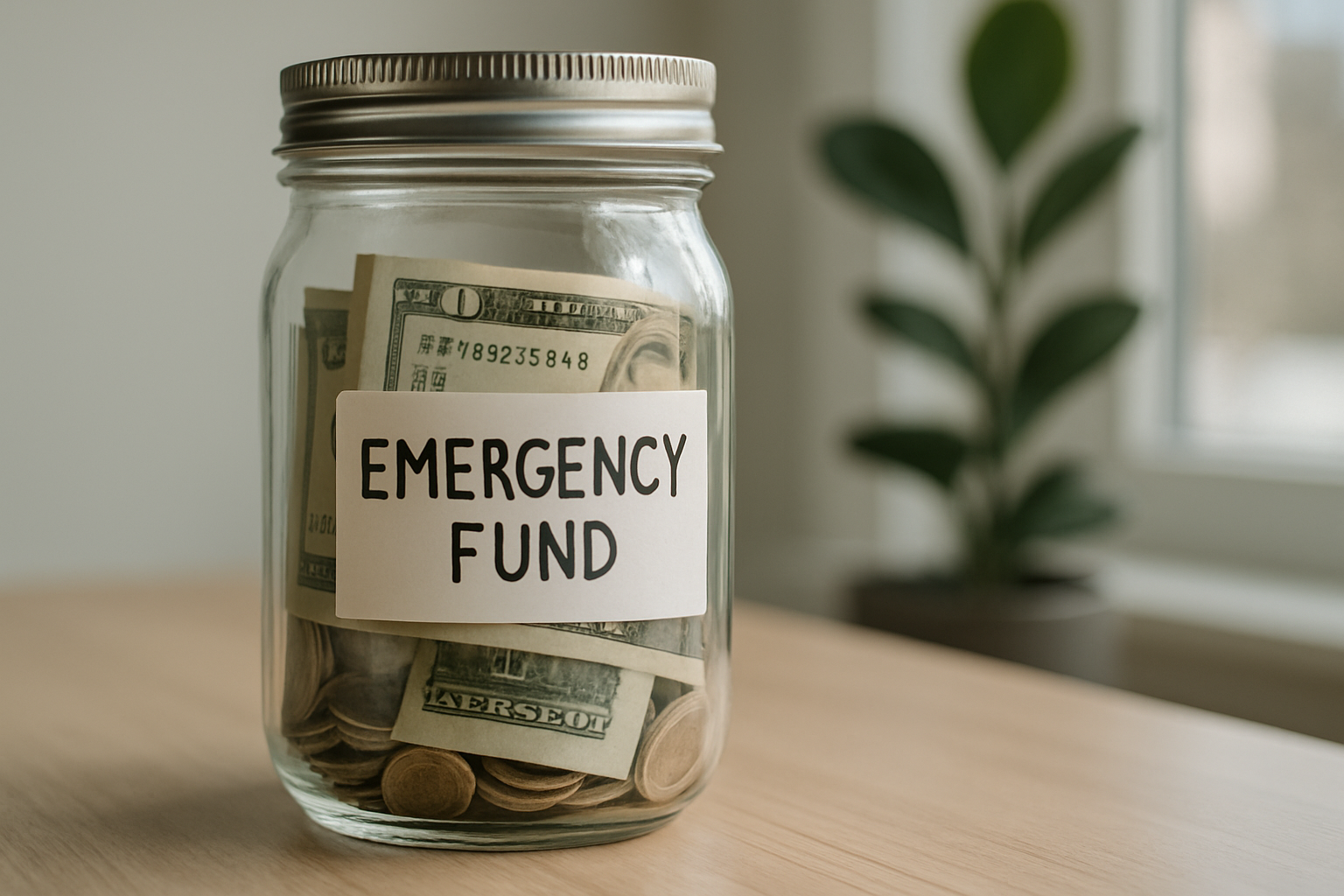
Life has a way of throwing surprises at everyone. A car breaks down, a medical bill shows up, hours get cut at work, or a pet needs urgent care. These moments often arrive without warning and usually cost money. An emergency fund is a pool of savings set aside for these exact situations. It is not about getting rich or investing for the future. It is about stability, peace of mind, and having choices when something unexpected happens.
What an emergency fund is and why it matters
An emergency fund is money saved specifically for urgent, unplanned expenses. It is not for vacations, holiday gifts, or a new phone. It is for real needs that cannot wait. When people do not have emergency savings, they often turn to credit cards, personal loans, or payday loans. These options can solve the short-term problem but often create long-term stress through high interest and debt.
Having an emergency fund changes how financial problems feel. Instead of panic, there is a plan. Instead of scrambling, there is a cushion. Even a small emergency fund can make a big difference. Knowing that money is set aside can reduce anxiety and help people make better decisions under pressure.
Emergency savings also protect long-term goals. Without a buffer, people may have to stop contributing to retirement accounts, sell investments at a bad time, or miss important payments. An emergency fund acts like a shock absorber, taking the hit so the rest of the financial plan can stay on track.
What counts as a real emergency
Before building an emergency fund, it helps to be clear about what it is for. A true emergency is usually unexpected, necessary, and urgent. It often affects health, safety, income, or basic living needs.
- Medical or dental bills not covered by insurance
- Car repairs needed to get to work
- Emergency home repairs like a broken heater or leaking roof
- Job loss, reduced hours, or delayed pay
- Travel costs for a family emergency
Some expenses may feel urgent but are not emergencies. A sale at a favorite store, a last-minute trip, or an upgrade to electronics usually does not qualify. Clear rules help protect the fund so it is there when it is truly needed.
How much money should be in an emergency fund
The right size for an emergency fund depends on personal circumstances. Income, expenses, job stability, health, and family situation all play a role. A common guideline is to save three to six months of essential living expenses.
Essential expenses include things that must be paid to keep life running:
- Rent or mortgage
- Utilities like electricity, water, and heat
- Basic groceries
- Transportation costs
- Insurance premiums
- Minimum debt payments
Someone with a stable job, strong benefits, and dual income may feel comfortable with three months. Someone who is self-employed, works on commission, or supports a family alone may aim for six months or more.
For beginners, these numbers can feel overwhelming. That is normal. The most important step is not hitting a perfect target but starting. A first goal of $500 or $1,000 can cover many common emergencies and build confidence. From there, the fund can grow over time.
Where to keep an emergency fund
Emergency savings should be easy to access and safe from big swings in value. This is not the place for the stock market or long-term investments. The main goals are safety, liquidity, and reliability.
Common places to keep an emergency fund include:
- High-yield savings accounts
- Money market accounts
- Credit union savings accounts
These accounts usually earn some interest while keeping money accessible. Online banks often offer higher rates than traditional banks. It is still important to choose a bank that is insured and trustworthy.
Some people keep their emergency fund at a different bank than their checking account. This small barrier can reduce the temptation to spend the money on non-emergencies while still keeping it available when needed.
How to start an emergency fund with little or no savings
Many people delay building an emergency fund because they feel they do not have enough money. This is a common and understandable concern. The truth is that emergency funds are built one small step at a time.
Starting small is not a failure. It is progress. Even saving $10 or $25 at a time builds the habit. Over weeks and months, these small amounts add up.
A simple way to begin is to set a short-term goal that feels possible. For example, saving $300 over three months means setting aside about $25 a week. This goal is clear, measurable, and reachable for many households.
Opening a separate savings account just for emergencies can help mentally label the money. When savings are mixed with checking money, it is easier to spend them without thinking.
Creating room in your budget for emergency savings
An emergency fund needs a steady source of money. This usually comes from a budget, even a simple one. A budget is just a plan for where money will go before it is spent.
Start by listing monthly income and basic expenses. This includes fixed costs like rent and variable costs like food. Seeing the full picture often reveals small areas where money can be freed up.
Common places to find extra cash include:
- Reducing dining out or food delivery
- Canceling unused subscriptions
- Switching to a lower-cost phone or internet plan
- Planning groceries to reduce waste
- Lowering energy use to cut utility bills
These changes do not have to be permanent. Many people tighten their budget temporarily to build their emergency fund faster, then loosen it once the fund reaches a comfortable level.
Using automation to make saving easier
Automation is one of the most powerful tools for building an emergency fund. When saving happens automatically, it removes the need for constant decisions and willpower.
Setting up an automatic transfer from checking to savings after each paycheck can make saving feel effortless. Even small automatic amounts add up over time.
Some employers allow direct deposit to split paychecks between accounts. Sending a portion directly to an emergency savings account means the money is saved before there is a chance to spend it.
Apps and banking tools can also round up purchases and move the spare change into savings. While these amounts are small, they support the habit of saving and can help build momentum.
Balancing emergency savings and debt payments
Many people wonder whether they should save for emergencies or pay down debt first. The answer is often both, but in a careful order.
Having at least a small emergency fund can prevent new debt. Without any savings, a single emergency can push someone further into credit card debt, even if they are working hard to pay it off.
A common approach is to build a starter emergency fund of $500 to $1,000 while making minimum debt payments. Once that cushion is in place, extra money can go toward high-interest debt. After debt is reduced, the emergency fund can grow to its full target size.
This balanced approach supports both short-term safety and long-term financial health.
Building an emergency fund with irregular income
People with freelance work, seasonal jobs, or commission-based pay often face extra challenges. Income can change from month to month, making saving feel unpredictable.
For irregular income, emergency savings are even more important. One helpful strategy is to base monthly expenses on a conservative income estimate. When income is higher than expected, the extra money can go directly into the emergency fund.
Another approach is to save a percentage of each payment instead of a fixed amount. For example, saving 5 to 10 percent of every check keeps the habit consistent, even when income changes.
During strong months, adding more to savings can help prepare for slower periods without stress.
Using windfalls and extra money wisely
Windfalls are unexpected or irregular sources of money. Tax refunds, bonuses, gifts, or cash from selling items all count. These moments can be powerful opportunities to grow an emergency fund.
Because windfalls are not part of regular income, using them for savings often feels less painful. Even setting aside a portion can make a noticeable difference.
Some people use a simple rule, such as saving half of any windfall and using the rest for goals or fun. Others direct the full amount toward their emergency fund until it reaches the desired level.
Having a plan for extra money ahead of time reduces the chance of spending it without intention.
Emergency funds for families and households
Households with children or dependents often face higher and more complex risks. Medical needs, childcare issues, and school-related expenses can arise suddenly.
For families, emergency funds may need to be larger. Costs are higher, and emergencies can affect more than one person at a time. Health insurance deductibles, for example, can be significant.
Families can involve older children in simple conversations about saving. This builds understanding and helps everyone respect the purpose of the emergency fund.
In two-income households, it can help to consider what would happen if one income stopped. Planning for that scenario helps set a realistic savings target.
How to protect your emergency fund from inflation
Inflation reduces the buying power of money over time. While emergency funds are not meant for growth, it still helps to earn some interest.
High-yield savings accounts and money market accounts usually keep pace better than basic savings accounts. Shopping around for better rates can make a difference, especially as the fund grows.
It is also important to review the fund periodically. As living costs rise, the amount needed for three to six months of expenses may increase. Adjusting the target over time keeps the fund effective.
When to use your emergency fund
Using an emergency fund can bring mixed feelings. Some people feel relief, while others feel guilt or worry. It helps to remember that this is exactly what the fund is for.
When deciding whether to use emergency savings, ask a few simple questions:
- Is this expense necessary?
- Is it urgent?
- Is there no better option?
If the answer is yes, using the fund is appropriate. Avoid using the emergency fund for predictable expenses like annual insurance premiums or planned home maintenance. Those costs are better handled with separate savings.
How to rebuild an emergency fund after using it
After an emergency, the fund may be smaller or empty. Rebuilding it should become a priority once the situation stabilizes.
Returning to automatic transfers can help restart the process. Even small amounts matter. The goal is to restore the safety net over time, not overnight.
Some people feel discouraged after using their fund. Reframing the experience can help. The fund did its job. It prevented debt, stress, or worse outcomes. That is a success, not a failure.
Common mistakes to avoid when building an emergency fund
Several common mistakes can slow progress or weaken the purpose of an emergency fund.
- Keeping the money in risky investments that can lose value
- Using the fund for non-emergencies
- Waiting for the perfect time to start saving
- Setting unrealistic goals and giving up
- Forgetting to adjust the fund as life changes
A flexible mindset helps avoid these issues. Emergency savings are not about perfection. They are about preparation.
The emotional and mental benefits of emergency savings
Beyond the numbers, emergency funds offer strong emotional benefits. Money stress affects sleep, relationships, and overall health. Knowing there is a financial buffer can reduce daily anxiety.
People with emergency savings often feel more confident at work. They may feel more comfortable speaking up, changing jobs, or negotiating pay because they are not living paycheck to paycheck.
This sense of control can spread to other areas of life. Small financial wins build motivation and encourage healthier money habits over time.
Making emergency savings part of everyday life
An emergency fund is not a one-time project. It is an ongoing part of a financial system. Life changes, expenses grow, and priorities shift.
Checking in on the fund once or twice a year can help keep it aligned with current needs. Changes like moving, having a child, or changing jobs may call for a higher savings target.
By treating emergency savings as a normal and necessary part of life, it becomes less of a burden and more of a support system. Over time, this quiet fund works in the background, ready for whatever life brings next.