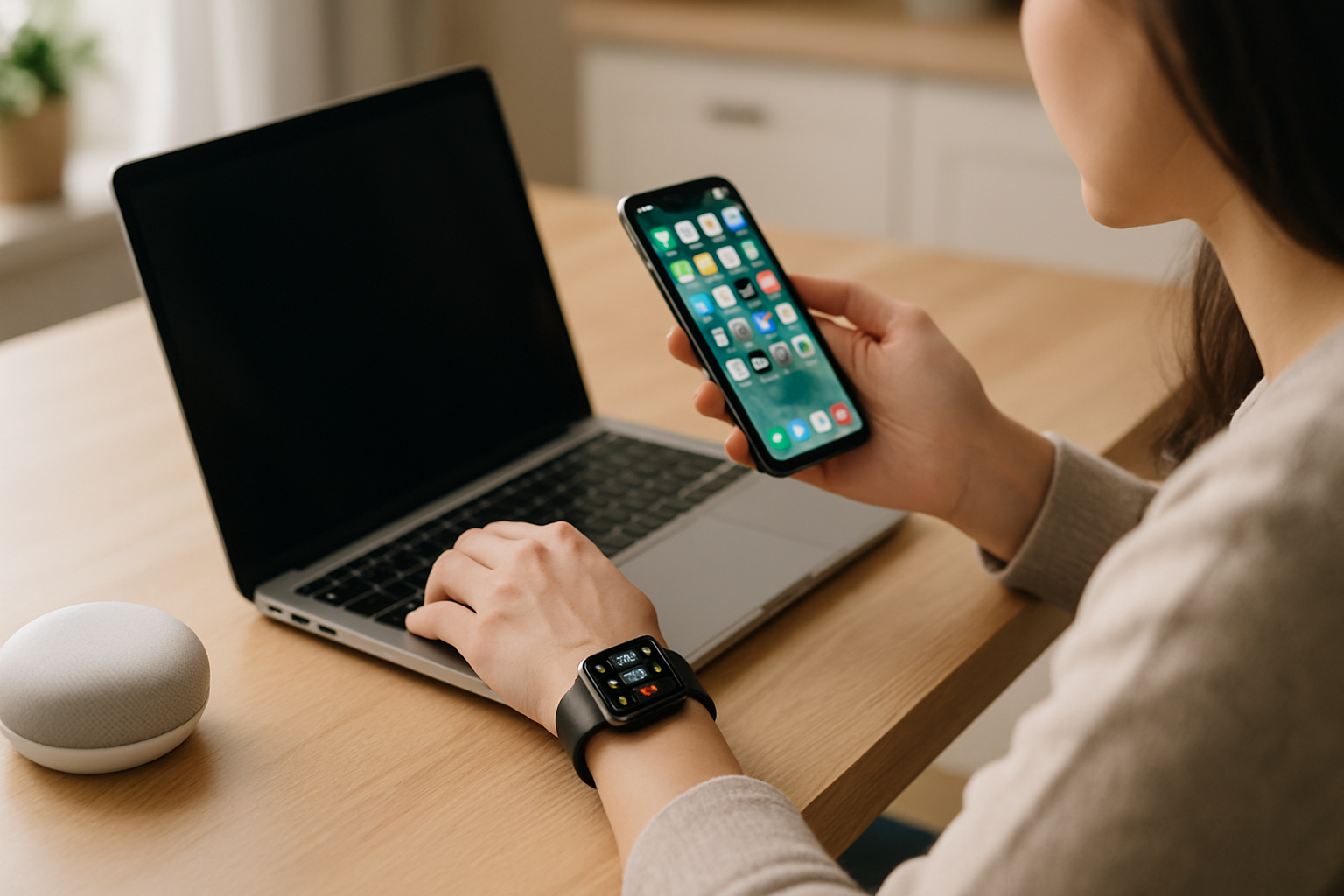
Technology is woven into daily life in ways that feel normal now, even though many of these changes happened quickly. Phones, apps, smart devices, and online services shape how people wake up, work, connect, relax, and manage responsibilities. This article explores how modern technology affects everyday routines across many areas of life, using simple examples and clear explanations.
Waking Up and Starting the Day
For many people, the day begins with a smartphone alarm instead of a traditional clock. Phones can wake users with gentle sounds, music playlists, or vibration, making mornings feel more personal. Some apps track sleep patterns and suggest better bedtime habits, helping users understand how long and how well they sleep.
After waking up, many people check the weather, news, and messages within minutes. Weather apps provide local forecasts that help with choosing clothes or planning travel. News apps offer short updates that fit into a busy morning. These quick checks replace older habits like watching morning TV news or reading a newspaper.
Smart home devices also play a role in mornings. Lights can turn on automatically, coffee makers can start brewing on a schedule, and thermostats can adjust room temperature. These small changes save time and reduce effort, making mornings smoother.
Communication and Staying Connected
Technology has changed how people communicate with family, friends, and coworkers. Text messaging, instant messaging apps, and social media allow fast and easy contact across long distances. Instead of waiting days for a letter or trying to match schedules for a phone call, people can send a message and often get a reply within minutes.
Video calls are now common for both personal and professional use. Families use video chats to celebrate birthdays or see relatives who live far away. Friends can share moments in real time, even if they are in different countries. This helps maintain relationships that might otherwise fade due to distance.
Group chats and online communities also shape daily communication. People join groups based on hobbies, work, or local neighborhoods. These spaces make it easier to share information, ask questions, and feel part of a community, even without meeting in person.
Work and Professional Life
Technology has transformed the workplace in many ways. Computers, cloud storage, and collaboration tools allow people to work from almost anywhere. Emails, shared documents, and project management apps help teams stay organized and communicate clearly.
Remote work has become more common, especially for jobs that rely on digital tasks. Employees can work from home, a coffee shop, or another city, as long as they have internet access. This flexibility can save time spent commuting and allow better balance between work and personal life.
Automation and software tools also affect daily work tasks. Programs can handle scheduling, data entry, and basic customer service. This can reduce repetitive work and allow employees to focus on more creative or complex tasks. At the same time, workers need to learn new skills to keep up with changing tools.
Education and Learning
Technology plays a major role in how people learn at all ages. In schools, students use tablets, laptops, and interactive boards. Digital textbooks and online resources make learning materials easier to update and access.
Online learning platforms allow students to take classes from home. This is helpful for people who live far from schools, have busy schedules, or want to learn new skills later in life. Video lessons, quizzes, and discussion boards support different learning styles.
Educational apps and videos also support informal learning. People can learn a new language, practice math skills, or explore science topics in short sessions. This makes learning feel more flexible and less limited to classrooms.
Managing the Home
Smart home technology changes how people manage daily household tasks. Smart thermostats learn temperature preferences and adjust automatically, helping save energy. Smart lights can be controlled by phone or voice, making it easy to change lighting without getting up.
Home security systems now include cameras, motion sensors, and doorbell cameras that connect to smartphones. Users can see who is at the door, even when they are not home. This adds a sense of control and awareness.
Household appliances are also becoming smarter. Washing machines can send alerts when a load is done, and refrigerators can track food items. These features aim to reduce waste and make chores easier to manage.
Shopping and Consumer Habits
Technology has reshaped how people shop for everyday items. Online stores allow users to browse products, compare prices, and read reviews without leaving home. This convenience saves time and offers more choices than many physical stores.
Mobile payment options make buying items faster. Digital wallets and contactless payments reduce the need for cash or cards. Many people can complete purchases with a single tap on their phone.
Delivery services also affect daily routines. Groceries, meals, and household goods can be delivered to the door, sometimes within hours. This changes how people plan meals and manage errands, especially for those with limited time or mobility.
Health and Wellness
Technology supports health and wellness in everyday life. Fitness trackers and smartwatches count steps, monitor heart rate, and track exercise. These devices encourage users to move more and pay attention to physical activity.
Health apps help people manage diet, sleep, and stress. Users can log meals, follow workout plans, or practice guided meditation. Having this information in one place can make health goals feel more manageable.
Telehealth services allow patients to talk to doctors through video calls or messaging. This can save travel time and make healthcare more accessible, especially for routine questions or follow-up visits.
Transportation and Travel
Technology influences how people move from place to place. Navigation apps provide real-time directions, traffic updates, and alternate routes. This helps drivers avoid delays and plan trips more efficiently.
Ride-sharing apps offer an alternative to owning a car or using public transportation. With a few taps, users can request a ride and track the driver’s arrival. This is especially useful in cities or for people who do not drive.
For longer trips, technology simplifies travel planning. Online booking tools allow users to compare flights, hotels, and rental cars. Digital boarding passes and travel apps keep important information in one place.
Entertainment and Relaxation
Entertainment has changed greatly with digital technology. Streaming services provide movies, TV shows, and music on demand. People can watch or listen when they want, rather than following fixed schedules.
Video games are another major form of entertainment. Games can be played alone, with friends, or with people around the world. Online gaming communities create social experiences that go beyond the game itself.
Social media platforms also serve as entertainment. Short videos, photos, and posts fill spare moments throughout the day. These platforms blend entertainment with social interaction, making them a regular part of daily routines.
Managing Money and Finances
Technology affects how people handle money every day. Banking apps allow users to check balances, transfer money, and pay bills from their phones. This reduces the need to visit a bank branch.
Budgeting apps help track spending and set financial goals. By seeing where money goes, users can make better decisions about saving and spending. Alerts and reminders help avoid missed payments.
Online investing platforms make it easier for people to learn about and participate in investing. While this increases access, it also requires users to understand risks and manage their choices carefully.
Social Life and Relationships
Technology shapes social life in both positive and challenging ways. Social media helps people stay in touch with friends and family, share life updates, and celebrate milestones. It can strengthen connections, especially when people live far apart.
At the same time, constant connectivity can affect how people interact in person. Notifications and screen time can interrupt conversations or reduce focus. Many people try to set boundaries to balance online and offline interactions.
Dating apps and online communities also influence how people meet new friends or partners. These tools expand social circles and offer new ways to connect based on shared interests or goals.
Accessibility and Inclusion
Technology plays an important role in supporting people with disabilities. Screen readers help users with visual impairments access digital content. Voice commands allow hands-free control of devices for people with limited mobility.
Captioning and translation tools support users who are deaf or hard of hearing, as well as those who speak different languages. These features make information more accessible and inclusive.
Everyday tools like navigation apps with step-free routes or reminders for medication show how technology can support independence and confidence in daily life.
Privacy and Digital Safety
As technology becomes more present in daily routines, privacy and safety become important concerns. Many apps and devices collect data to provide personalized services. Understanding how data is used helps users make informed choices.
Security features like passwords, biometric locks, and two-factor authentication protect personal information. These tools are now part of daily habits, such as unlocking a phone or logging into an account.
Parents, in particular, think about digital safety for children. Parental controls, screen time limits, and content filters help guide how young people use technology in their daily lives.
Environmental Impact of Daily Technology Use
Technology affects the environment in both helpful and harmful ways. Digital tools reduce paper use by replacing printed documents, tickets, and bills. This can lower waste and save resources.
Smart energy systems help monitor and reduce electricity use in homes. Apps that track energy consumption encourage users to make more efficient choices.
At the same time, electronic devices require energy and materials to produce. Recycling programs and longer-lasting devices play a role in reducing environmental impact as technology remains part of everyday life.
Daily Routines and Time Management
Technology helps people organize their daily schedules. Calendar apps send reminders for meetings, appointments, and tasks. This reduces the chance of forgetting important events.
To-do list apps and habit trackers break large goals into smaller steps. Checking off tasks can create a sense of progress and motivation throughout the day.
Voice assistants also support time management by setting timers, alarms, and reminders. These features fit naturally into daily routines at home or work.
Food, Cooking, and Nutrition
Technology influences how people plan, prepare, and enjoy food. Recipe apps and videos provide step-by-step guidance for cooking meals. Users can search by ingredients, diet, or cooking time.
Grocery apps help create shopping lists and suggest recipes based on sales or available items. This can reduce food waste and make meal planning easier.
Nutrition tracking apps allow users to log meals and understand nutritional content. While not necessary for everyone, these tools support people with specific health or fitness goals.
News, Information, and Awareness
Access to information is faster than ever. News apps, websites, and social media provide updates throughout the day. People can follow topics they care about and receive alerts for breaking news.
This constant flow of information helps people stay informed but can also feel overwhelming. Many users choose specific sources or limit notifications to manage their daily information intake.
Search engines and online resources make it easy to find answers to everyday questions, from fixing a household problem to learning about current events.
Looking at Ongoing Changes
Technology continues to evolve and influence daily routines in small and large ways. New devices, apps, and services appear regularly, adding options for how people live and work.
As these tools become part of everyday habits, people adapt their routines without always noticing the change. Simple actions like tapping a screen, speaking to a device, or checking an app reflect how deeply technology fits into daily life.
The way technology shapes routines depends on personal choices, access, and needs. Each person experiences these changes differently, creating a wide range of daily experiences shaped by modern tools.