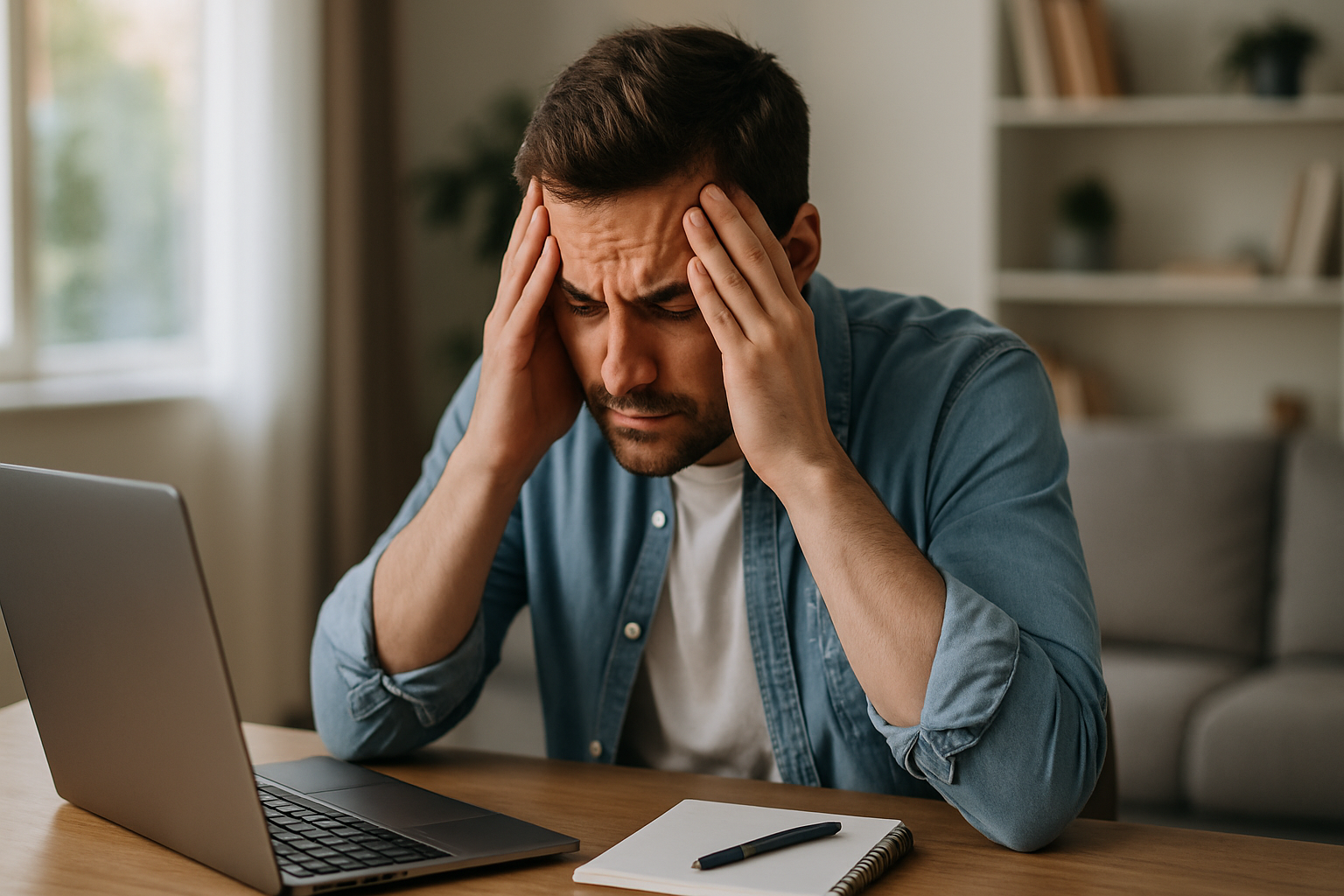
Stress is a normal part of life. It shows up when you face a challenge, a deadline, a change, or even something exciting. Your body and mind are built to handle stress in short bursts. The problem begins when stress stays around for a long time or feels too intense. Long-lasting stress can affect how you think, feel, and function every day. It can also change how your body works on the inside, sometimes in ways you cannot see right away.
Understanding how stress affects your body and mind can help you notice early signs and take steps to reduce its impact. Stress is not just “in your head.” It involves real physical changes, chemical signals, and patterns of behavior that can shape your health over time.
What Stress Really Is
Stress is your body’s response to a demand or threat. That threat can be real, like a car speeding toward you, or perceived, like worrying about a future event. When your brain senses danger or pressure, it sends signals throughout your body to get ready to act.
This response is often called the fight-or-flight response. It helped early humans survive by preparing them to run from danger or defend themselves. Today, many stressors are not life-threatening, but your body reacts in a similar way.
Common sources of stress include work pressure, school demands, money problems, family conflict, health issues, social expectations, and major life changes. Even positive events like a new job or moving to a new home can create stress because they require adjustment.
How the Stress Response Works
When you feel stressed, your brain activates a system that involves the nervous system and hormones. The hypothalamus, a small but powerful part of the brain, sends a message to the adrenal glands. These glands release stress hormones, mainly adrenaline and cortisol.
Adrenaline increases your heart rate, raises your blood pressure, and boosts your energy. Cortisol helps release glucose into your bloodstream so you have quick fuel. Together, these changes sharpen your focus and prepare your body for action.
In the short term, this response can be helpful. It can help you react quickly, meet a deadline, or perform under pressure. Problems begin when the stress response is triggered too often or does not shut off properly.
Acute Stress and Chronic Stress
Acute stress is short-term stress that goes away quickly. Examples include giving a presentation, taking a test, or slamming on the brakes to avoid an accident. Once the situation passes, your body returns to a calm state.
Chronic stress is stress that lasts for weeks, months, or even years. It can come from ongoing problems like a difficult job, long-term illness, financial strain, or constant worry. With chronic stress, your body stays in a heightened state of alert much of the time.
This ongoing activation can wear down your systems and increase the risk of many health problems. Chronic stress is often harder to notice because it becomes part of your daily routine.
Effects of Stress on the Brain
Your brain is one of the first places stress shows its effects. High levels of cortisol over time can affect how different parts of the brain work.
The amygdala, which processes fear and emotions, can become more active. This may make you feel anxious, irritable, or on edge more often. You might react strongly to small problems or feel overwhelmed easily.
The hippocampus, which is important for memory and learning, can be affected by chronic stress. This may make it harder to remember things, concentrate, or learn new information. Many people under stress describe feeling mentally foggy or forgetful.
The prefrontal cortex, which helps with decision-making, planning, and self-control, can also be impacted. Stress can make it harder to think clearly, solve problems, and control impulses.
Emotional and Mental Health Effects
Stress strongly influences your emotions. Short-term stress can cause nervousness or tension. Long-term stress can contribute to anxiety, sadness, anger, and feelings of helplessness.
People under constant stress may feel overwhelmed or stuck. Small tasks can feel heavy, and motivation may drop. Enjoyable activities may no longer feel rewarding.
Chronic stress is linked to mental health conditions such as anxiety disorders and depression. While stress alone does not cause these conditions, it can increase the risk and make symptoms worse.
Stress can also affect self-esteem. When you feel unable to cope or keep up, you may start to judge yourself harshly, which adds another layer of stress.
Stress and Sleep
Sleep and stress have a close relationship. Stress can make it hard to fall asleep, stay asleep, or get restful sleep. Racing thoughts, muscle tension, and worry can keep your body alert at night.
Lack of sleep then makes stress harder to manage. When you are tired, your mood, focus, and patience drop. This creates a cycle where stress disrupts sleep, and poor sleep increases stress.
Over time, chronic sleep problems can affect your immune system, memory, and emotional balance, adding to the overall strain on your body and mind.
Effects on the Heart and Blood Vessels
Stress affects your cardiovascular system in several ways. During stress, your heart beats faster and your blood pressure rises. Blood vessels may tighten, which helps send blood to important muscles.
When this happens often, it can put extra strain on your heart and blood vessels. Chronic stress is linked to high blood pressure, inflammation, and unhealthy cholesterol levels.
Stress can also influence behaviors that affect heart health, such as smoking, overeating, or avoiding exercise. Over time, these factors can increase the risk of heart disease.
Stress and the Immune System
Your immune system protects you from infections and helps your body heal. Short-term stress can sometimes boost immune activity. However, long-term stress usually weakens immune function.
High cortisol levels can reduce the effectiveness of immune cells. This may make you more likely to get sick, take longer to recover from illness, or experience flare-ups of chronic conditions.
Stress-related inflammation can also play a role in conditions such as allergies, asthma, and autoimmune disorders.
Digestive System Effects
The gut is very sensitive to stress. Stress can affect how quickly food moves through your digestive tract and how digestive muscles contract.
Some people experience stomachaches, nausea, diarrhea, or constipation when stressed. Stress can also worsen conditions like irritable bowel syndrome, acid reflux, and ulcers.
Stress may change appetite as well. Some people eat more, especially comfort foods high in sugar or fat. Others lose their appetite. These changes can affect energy levels and nutrition.
Muscles, Joints, and Pain
When you are stressed, your muscles tend to tighten. This is part of the body’s protective response. If stress continues, muscles may stay tense for long periods.
Chronic muscle tension can lead to headaches, neck pain, shoulder pain, and back pain. Stress can also make existing pain feel worse by increasing sensitivity.
People with conditions like arthritis or fibromyalgia often notice that stress increases pain and stiffness.
Skin, Hair, and Appearance
Stress can show up on your skin. It can trigger or worsen conditions like acne, eczema, psoriasis, and hives. Stress-related inflammation and hormone changes play a role.
Some people notice hair thinning or hair loss during periods of intense or prolonged stress. Stress can also affect nail growth and strength.
Changes in sleep, diet, and habits due to stress can further affect appearance, making skin look dull or tired.
Stress, Weight, and Metabolism
Cortisol influences how your body uses and stores energy. Chronic stress can increase cravings for high-calorie foods and promote fat storage, especially around the abdomen.
Stress can also disrupt blood sugar balance, which affects energy and hunger. For some people, stress leads to weight gain. For others, it may cause weight loss due to reduced appetite or digestive issues.
Changes in physical activity levels during stressful periods can also affect weight and overall fitness.
Behavioral Changes Linked to Stress
Stress often changes how people behave, sometimes without them realizing it. Common stress-related behaviors include overeating or undereating, using alcohol or substances to relax, avoiding responsibilities, or withdrawing from others.
Some people become more irritable or impatient. Others may try to control everything or work excessively to cope.
These behaviors may bring short-term relief but often increase stress in the long run.
Stress at Work and School
Work and school are major sources of stress for many people. Deadlines, performance pressure, long hours, and lack of control can contribute to ongoing stress.
Stress can reduce focus, creativity, and productivity. It can lead to burnout, which includes emotional exhaustion, detachment, and reduced sense of accomplishment.
In students, stress can affect learning, test performance, and motivation. It can also impact social life and self-confidence.
Stress and Relationships
Stress does not stay contained within one person. It often spills into relationships. When stressed, people may communicate less clearly, react more strongly, or withdraw emotionally.
Ongoing stress can increase conflict with partners, family members, and friends. It can also reduce patience and empathy.
At the same time, relationship problems can be a major source of stress, creating a cycle that is hard to break.
Warning Signs That Stress Is Taking a Toll
Stress can be sneaky. Some common signs that stress is affecting your body and mind include:
- Constant fatigue or low energy
- Frequent headaches or muscle pain
- Trouble sleeping or sleeping too much
- Feeling anxious, sad, or irritable most days
- Difficulty concentrating or making decisions
- Frequent colds or infections
- Changes in appetite or weight
- Loss of interest in activities you once enjoyed
Noticing these signs early can help you take action before stress causes more serious problems.
Stress in Children and Teens
Children and teens experience stress too, even if their stressors look different from adults’. School pressure, social issues, family changes, and online experiences can all create stress.
Young people may show stress through behavior changes, mood swings, physical complaints, or changes in sleep and appetite.
Teaching healthy coping skills early can help children and teens build resilience and manage stress throughout life.
Simple Ways to Reduce Stress in the Moment
There are quick techniques that can calm your body when stress spikes. These methods help signal to your nervous system that it is safe to relax.
- Slow, deep breathing, focusing on longer exhales
- Gently stretching tight muscles
- Taking a short walk
- Pausing to notice sights, sounds, or sensations around you
- Reducing stimulation by stepping away from screens
Practicing these skills regularly makes them more effective over time.
Daily Habits That Lower Stress
Small daily habits can make a big difference in how your body handles stress. Consistency matters more than perfection.
Regular physical activity helps burn off stress hormones and boosts mood. This can include walking, dancing, cycling, or any movement you enjoy.
Eating balanced meals supports stable energy and blood sugar levels, which helps regulate stress responses.
Keeping a regular sleep schedule helps your nervous system recover and stay balanced.
Mindfulness and Relaxation Practices
Mindfulness involves paying attention to the present moment without judgment. This practice can reduce stress by calming the mind and reducing overthinking.
Simple mindfulness activities include focusing on your breath, noticing sensations in your body, or paying full attention to everyday tasks.
Other relaxation practices such as meditation, gentle yoga, or guided imagery can also lower stress hormones and improve emotional balance.
Managing Time and Expectations
Feeling overwhelmed often comes from having too much to do and too little time or energy. Learning to manage time and expectations can reduce stress.
Breaking tasks into smaller steps makes them feel more manageable. Prioritizing what truly matters can help you let go of less important demands.
Setting realistic goals and allowing room for rest can prevent constant pressure.
The Role of Social Support
Connecting with others is one of the most powerful stress buffers. Talking with someone you trust can help you feel understood and less alone.
Support can come from friends, family, coworkers, support groups, or community activities.
Helping others can also reduce stress by creating a sense of purpose and connection.
Setting Boundaries to Protect Your Energy
Boundaries help limit stress by defining what you can and cannot take on. This may include saying no to extra commitments or setting limits around work hours.
Healthy boundaries protect your time, energy, and emotional well-being.
Learning to set boundaries can feel uncomfortable at first, but it often reduces long-term stress.
Technology and Stress
Technology can be helpful, but constant notifications and screen time can increase stress. Being always connected can make it hard for your mind to rest.
Taking regular breaks from screens, especially before bed, can support better sleep and lower stress.
Choosing when and how you use technology gives you more control over its impact.
Nature, Creativity, and Play
Spending time in nature has been shown to lower stress levels. Even short periods outdoors can calm the nervous system.
Creative activities like drawing, music, writing, or cooking can help shift focus away from worries.
Play and laughter are not just for children. They help release tension and improve mood at any age.
When Professional Help Can Make a Difference
Sometimes stress becomes too heavy to manage alone. Mental health professionals can help you understand your stress patterns and develop coping skills.
Therapy, counseling, or stress management programs can provide tools tailored to your situation.
Seeking help is a sign of strength and self-care, not failure.
Ongoing Stressors and Life Situations
Certain life situations can create ongoing stress, such as caregiving, financial challenges, chronic illness, or recovering from trauma.
In these cases, stress management often involves both practical support and emotional care.
Adjusting expectations, asking for help, and focusing on what you can control can ease the burden over time.
Stress will always be part of life, but how it affects your body and mind can change based on awareness, habits, and support. Learning about stress gives you more choices in how you respond to it each day.