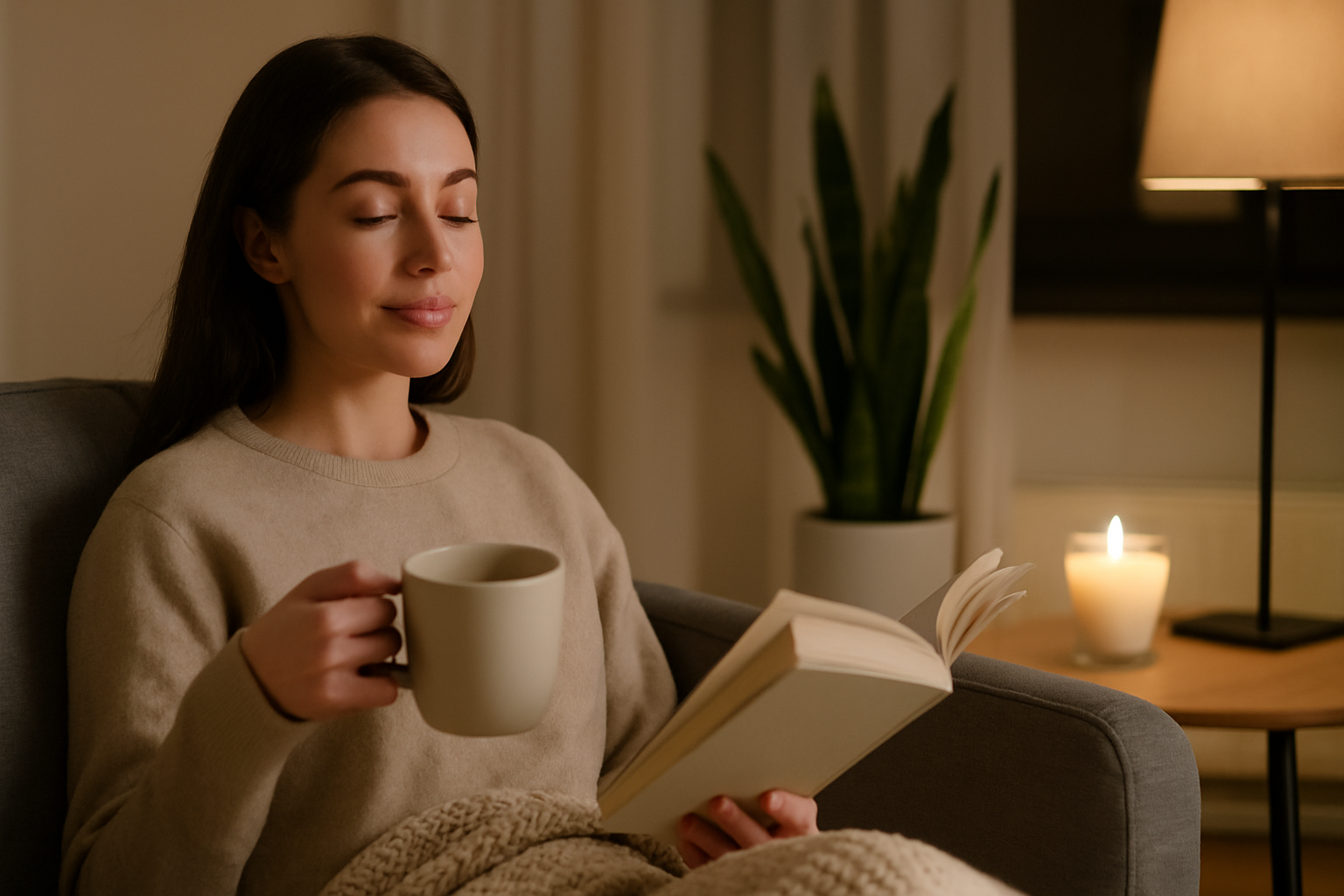
Evenings can feel rushed, noisy, and stressful, especially after a long day of work, school, or caring for others. Many people move straight from daytime pressure into late-night screen time or unfinished tasks, which can make it hard to relax or sleep well. Creating an evening routine helps your mind and body slow down. It sends a clear signal that the day is ending and rest is coming. A calm evening routine does not need to be complicated or expensive. It is about small, steady habits that bring comfort, quiet, and balance.
An effective evening routine supports better sleep, improves mood, and helps you wake up feeling more refreshed. It can also lower stress levels and make your evenings something you look forward to instead of something that slips away unnoticed. Everyone’s routine will look different, but the goal is the same: to feel more relaxed and present as the day comes to a close.
Why Evening Routines Matter
Your body follows daily rhythms that guide energy, focus, and rest. During the day, stress hormones like cortisol help you stay alert and active. In the evening, your body needs a chance to lower these hormones and increase melatonin, which supports sleep. Without a clear wind-down period, your body may stay in a high-alert state late into the night.
An evening routine helps create a smooth transition from activity to rest. When you repeat the same calming actions each night, your brain begins to connect those actions with relaxation. Over time, this makes it easier to unwind, even on stressful days. Routines also reduce decision fatigue. Instead of wondering what to do each night, you follow a familiar pattern that feels safe and predictable.
Evening routines are not about strict rules. They are about intention. Choosing how you spend your evenings gives you back a sense of control and care at the end of the day.
Setting the Right Mood at Home
Soft Lighting
Lighting has a strong effect on how relaxed you feel. Bright overhead lights can keep your brain alert, while softer light encourages calm. In the evening, switch to lamps with warm bulbs instead of bright white light. Dimming the lights after dinner can gently tell your body that nighttime is approaching.
Candles can also add warmth and calm, as long as they are used safely. Even small changes, like turning off unused lights, can make your space feel more peaceful.
Reducing Noise
Noise can keep your nervous system on edge. If your environment is loud, try to reduce background sounds in the evening. Lower the TV volume, silence unnecessary notifications, and close windows if outdoor noise is distracting.
Some people find comfort in soft background sounds like gentle music, nature sounds, or a quiet fan. The key is to choose sounds that feel soothing rather than stimulating.
Creating a Clean and Comfortable Space
A cluttered space can make it harder to relax. You do not need to deep clean every night, but spending a few minutes tidying up can make a big difference. Put away items from the day, clear surfaces, and prepare your space for the next morning.
Comfort also matters. Soft blankets, cozy pillows, and comfortable seating invite your body to rest. Wearing comfortable clothes instead of tight or restrictive ones can also help you feel more at ease.
Disconnecting From the Day
Setting Work Boundaries
One of the hardest parts of relaxing in the evening is letting go of work or daily responsibilities. If possible, set a clear end time for work-related tasks. Avoid checking emails or messages once your workday is over.
Creating a small ritual to mark the end of work can help. This might be shutting down your computer, writing a to-do list for the next day, or changing into comfortable clothes. These actions help your brain understand that work time is finished.
Limiting News and Social Media
News and social media can increase stress, especially in the evening. Scrolling through upsetting stories or comparing yourself to others can make it harder to relax. Consider setting a time limit for these activities or avoiding them altogether in the last hour or two before bed.
If you enjoy using your phone in the evening, choose calmer activities like reading articles about hobbies, listening to gentle podcasts, or messaging close friends.
Gentle Activities That Promote Relaxation
Reading for Pleasure
Reading is a classic evening activity for a reason. It allows your mind to focus on one thing and step away from daily worries. Choose light or enjoyable books rather than intense or stressful topics. Fiction, short stories, or familiar favorites often work well.
Reading on paper is usually more relaxing than reading on a screen, but e-readers with warm light settings can also be calming.
Creative Hobbies
Creative activities can be deeply relaxing because they engage your mind in a gentle, focused way. Drawing, coloring, knitting, writing, or playing a musical instrument can all help you unwind. The goal is not to be perfect or productive, but to enjoy the process.
Short creative sessions in the evening can help you feel more balanced and satisfied at the end of the day.
Watching Calm Entertainment
Watching TV or movies can be part of an evening routine if chosen carefully. Avoid shows that are loud, intense, or emotionally heavy. Instead, choose calm, familiar, or lighthearted content.
Set a clear stopping point so that watching does not stretch too late into the night. Turning off the screen at least 30 minutes before bed can help your body prepare for sleep.
Evening Movement for Relaxation
Gentle Stretching
After a day of sitting or physical work, your body may feel tight or sore. Gentle stretching in the evening can release tension and improve comfort. Focus on slow, easy movements rather than intense workouts.
Stretching your neck, shoulders, back, and legs can help your muscles relax. Pay attention to your breathing and move in a way that feels good.
Yoga or Slow Exercises
Light yoga or slow exercises like tai chi can be very calming in the evening. These practices combine movement with breath, helping your nervous system settle down.
You do not need a long session. Even 10 to 20 minutes can make a noticeable difference in how relaxed you feel.
Evening Walks
A short walk in the evening can help clear your mind and release built-up stress. Walking at a relaxed pace allows you to notice your surroundings and breathe more deeply.
If possible, walk in a quiet area or nature setting. Evening walks can also help signal to your body that the active part of the day is ending.
Calming Your Mind
Deep Breathing
Deep breathing is one of the simplest ways to relax. Slow, steady breaths tell your body that it is safe to calm down. In the evening, try breathing in through your nose for a count of four, holding briefly, and breathing out slowly through your mouth.
Just a few minutes of deep breathing can reduce stress and help you feel more grounded.
Mindfulness Practices
Mindfulness means paying attention to the present moment without judgment. In the evening, this might involve noticing your breath, your body, or the sensations around you.
You can practice mindfulness while sitting quietly, stretching, or even washing dishes. The goal is to gently bring your attention back to the moment whenever your mind starts to race.
Letting Go of Worries
Many people find that worries become louder at night. Writing down your thoughts can help. Spend a few minutes journaling about your day, your feelings, or anything that is bothering you.
You can also write a simple list of tasks for the next day. This helps your mind relax, knowing that you will not forget important things.
Evening Nutrition and Hydration
Choosing Light Evening Meals
Heavy or spicy meals late at night can make it harder to relax and sleep. Try to eat dinner a few hours before bedtime and choose foods that are easy to digest.
Balanced meals with vegetables, protein, and whole grains can help you feel satisfied without feeling uncomfortable.
Soothing Drinks
Warm drinks in the evening can be very comforting. Herbal teas without caffeine, such as chamomile or peppermint, are popular choices. Warm milk or milk alternatives can also feel soothing.
Avoid caffeine in the evening, including coffee, energy drinks, and some teas. Limiting alcohol can also improve relaxation and sleep quality.
Mindful Eating
Eating slowly and without distractions helps your body recognize when it is full and relaxed. Try to eat your evening meals without screens when possible. Focus on the taste, texture, and smell of your food.
This simple habit can make mealtimes more calming and enjoyable.
Preparing for Better Sleep
Consistent Bedtime
Going to bed at the same time each night helps regulate your internal clock. A consistent bedtime makes it easier to fall asleep and wake up feeling rested.
Your evening routine should gradually lead you toward this bedtime, with calming activities becoming quieter as the night goes on.
Screen-Free Wind-Down Time
Screens emit blue light, which can interfere with sleep signals in your brain. Try to turn off phones, tablets, and computers at least 30 to 60 minutes before bed.
Use this time for activities that do not involve screens, such as reading, stretching, or listening to soft music.
Creating a Bedtime Ritual
A bedtime ritual is a short series of actions you repeat every night before sleep. This might include washing your face, brushing your teeth, changing into sleepwear, and reading a few pages of a book.
Repeating these steps in the same order helps your body recognize that it is time to sleep.
Adapting Routines to Your Lifestyle
For Busy Schedules
If your evenings are short, focus on a few key habits rather than a long routine. Even 10 to 15 minutes of intentional relaxation can make a difference.
Choose activities that fit easily into your schedule, such as deep breathing, stretching, or listening to calming music while getting ready for bed.
For Families and Shared Homes
Living with others can make evening routines more challenging. Communicate your needs for quiet or relaxation when possible. Creating shared routines, like family clean-up time or quiet hours, can help everyone wind down together.
Even if your home is busy, small personal rituals can still provide comfort and calm.
For Shift Workers or Irregular Hours
If you work evenings or nights, your routine may look different. The key is to create a wind-down period whenever your day ends, even if that time is not traditional evening hours.
Focus on consistent signals that tell your body it is time to rest, such as dimming lights, changing clothes, and practicing relaxation techniques.
Building Habits That Last
Starting Small
Trying to change your entire evening at once can feel overwhelming. Start with one or two simple habits and build from there. Once those habits feel natural, you can add more.
Consistency matters more than perfection. It is okay if some evenings do not go as planned.
Listening to Your Body
Your needs may change over time. Pay attention to how different activities make you feel. If something no longer helps you relax, it is okay to adjust your routine.
Evening routines should support you, not feel like another task to complete.
Making Evenings Enjoyable
The most effective routines include activities you genuinely enjoy. Relaxation does not have to be boring or silent. It can include laughter, comfort, and simple pleasures.
By choosing calming habits that fit your personality and lifestyle, your evenings can become a peaceful and meaningful part of your day.