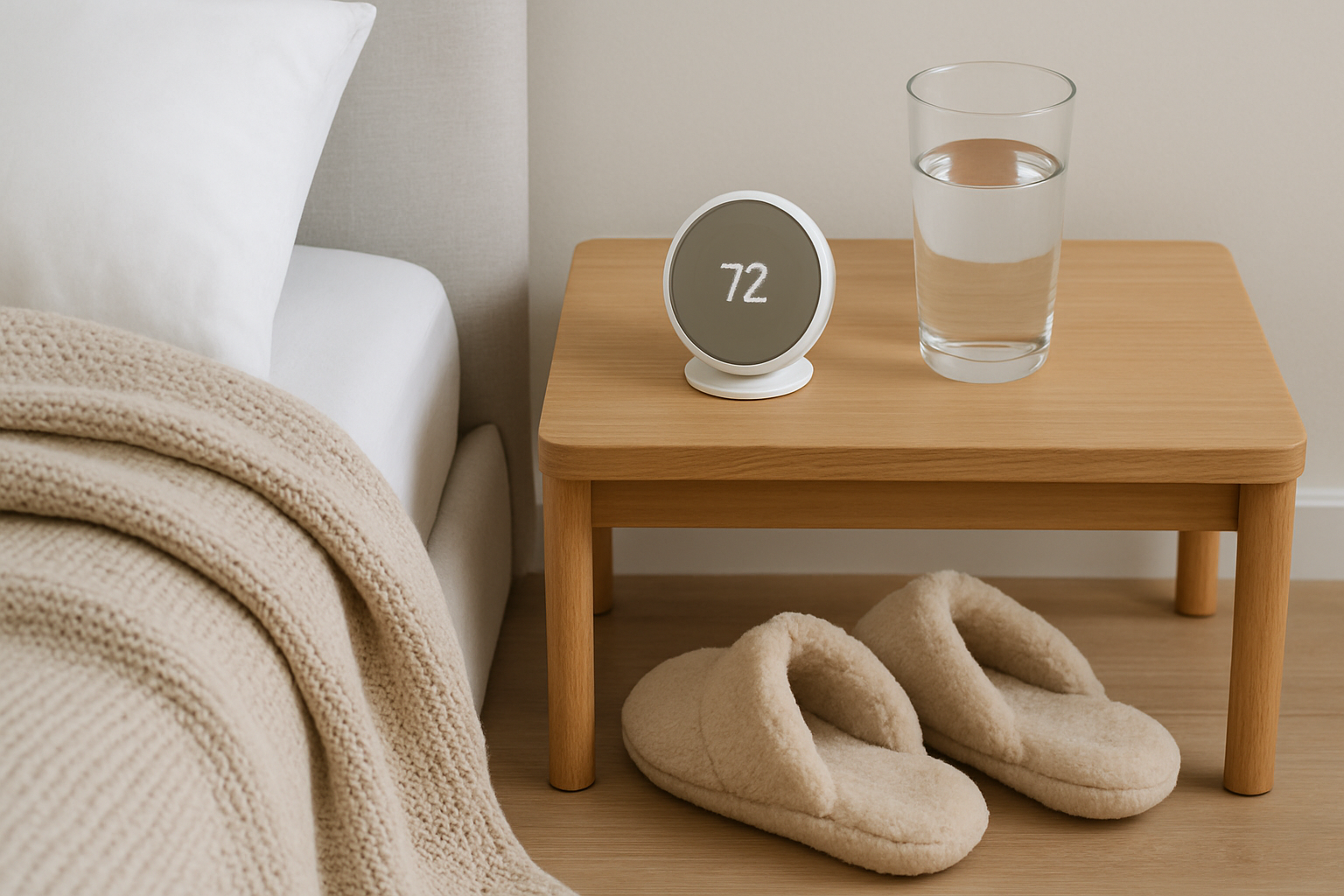
Daily comfort is not about luxury or big spending. It is about small choices that make your body and mind feel better as you move through the day. Many people think comfort requires a full lifestyle change, but that is not true. Simple upgrades, done one at a time, can make daily life smoother, calmer, and more enjoyable. This article explores easy ways to improve comfort at home, at work, and on the go using practical ideas that almost anyone can try.
Creating a More Comfortable Home Environment
Your home plays a huge role in how comfortable you feel every day. Small changes in lighting, temperature, and organization can make a big difference.
Adjusting Lighting for Better Mood and Focus
Lighting affects energy levels, mood, and eye comfort. Harsh or dim lighting can cause headaches, eye strain, and tiredness.
- Use warm light bulbs in living areas to create a relaxed feeling.
- Place lamps at eye level instead of relying only on ceiling lights.
- Open curtains during the day to let in natural light.
- Add a small desk lamp for reading or focused tasks.
Soft, balanced lighting makes rooms feel welcoming and helps the body stay calm.
Improving Air Quality
Fresh air improves breathing, sleep, and overall comfort. Stale air can make a space feel heavy and uncomfortable.
- Open windows for a few minutes each day, even in colder months.
- Use a small fan to keep air moving.
- Add houseplants that are easy to care for.
- Clean air filters regularly.
Clean air helps reduce dryness, allergies, and fatigue.
Keeping Rooms at a Comfortable Temperature
Being too hot or too cold can distract you all day. Small adjustments help keep your body comfortable.
- Use light blankets instead of heavy ones during warm seasons.
- Layer clothing indoors so you can adjust easily.
- Seal drafty windows and doors.
- Use fans or space heaters safely for targeted comfort.
Upgrading Sleep Comfort Without Big Changes
Good sleep is one of the most important parts of daily comfort. You do not need a luxury mattress to sleep better.
Pillow and Bedding Adjustments
The wrong pillow or sheets can cause neck pain, overheating, or restless sleep.
- Choose pillows that support your sleeping position.
- Use breathable sheets made from cotton or bamboo.
- Wash bedding regularly to keep it fresh.
- Add an extra pillow between knees or under arms for support.
Small bedding changes can improve sleep quality within days.
Creating a Calming Night Routine
Your body responds well to routine. Simple habits before bed can signal your brain that it is time to rest.
- Dim lights an hour before sleep.
- Put away screens when possible.
- Stretch lightly or take slow breaths.
- Keep bedtime consistent.
A calm evening routine helps reduce stress and improve comfort during sleep.
Clothing Choices That Boost Everyday Comfort
What you wear affects how you feel physically and mentally throughout the day.
Choosing Comfortable Fabrics
Fabric texture and breathability matter more than style alone.
- Look for soft, flexible materials.
- Avoid tight waistbands that restrict movement.
- Choose breathable layers that adapt to temperature.
- Remove tags that cause itching.
Comfortable clothes allow you to move freely and stay focused.
Footwear That Supports Daily Movement
Feet carry your body all day, yet they are often overlooked.
- Wear shoes with good arch support.
- Rotate shoes to prevent pressure spots.
- Use cushioned insoles if needed.
- Wear socks that reduce friction.
Comfortable feet improve posture and reduce daily fatigue.
Hydration and Small Nutrition Habits
What you drink and eat during the day has a direct impact on comfort and energy.
Making Hydration Easier
Dehydration causes headaches, dry skin, and low energy.
- Keep a reusable water bottle nearby.
- Flavor water with fruit slices if plain water feels boring.
- Drink small amounts often.
- Pair water breaks with routine activities.
Staying hydrated supports comfort from morning to night.
Simple Food Adjustments
You do not need a strict diet to feel better daily.
- Eat balanced meals with protein, fiber, and healthy fats.
- Avoid skipping meals to prevent energy crashes.
- Keep easy snacks available.
- Notice how certain foods affect your comfort.
Improving Comfort Through Movement
Staying still for long periods can cause stiffness and discomfort.
Gentle Movement Throughout the Day
Movement does not need to be intense to be helpful.
- Stand up and stretch every hour.
- Walk while taking phone calls.
- Roll shoulders and neck slowly.
- Use stairs when possible.
Frequent small movements reduce tension and boost comfort.
Stretching for Daily Relief
Stretching helps muscles relax and improves circulation.
- Stretch calves and hips after sitting.
- Open chest and shoulders to improve posture.
- Stretch hands and wrists if using devices often.
- Move gently without forcing.
Ergonomic Tweaks for Work and Home
Many daily discomforts come from poor posture and setup.
Improving Chair and Desk Setup
You do not need expensive furniture to improve comfort.
- Adjust chair height so feet rest flat on the floor.
- Use a cushion for lower back support.
- Keep screens at eye level.
- Rest elbows comfortably while typing.
Good ergonomics reduce pain and mental strain.
Reducing Screen Strain
Digital eye strain is common and uncomfortable.
- Follow the 20-20-20 rule.
- Increase text size for easier reading.
- Adjust brightness to match room lighting.
- Blink often to keep eyes moist.
Digital Comfort and Mental Ease
Mental comfort is just as important as physical comfort.
Simplifying Notifications
Constant alerts create stress and distraction.
- Turn off non-essential notifications.
- Set quiet hours on devices.
- Group similar alerts together.
- Check messages at set times.
Fewer interruptions help the mind relax.
Organizing Digital Spaces
Cluttered screens create mental tension.
- Organize apps into folders.
- Clean up email inboxes gradually.
- Delete unused files.
- Use simple backgrounds.
Comfort in Daily Routines
Daily routines shape how comfortable life feels overall.
Morning Comfort Boosts
The start of the day sets the tone.
- Wake up with gentle alarms.
- Stretch before checking devices.
- Prepare clothes the night before.
- Eat something nourishing.
Evening Wind-Down Habits
Evenings should help you recover from the day.
- Lower lighting gradually.
- Change into comfortable clothes early.
- Do calming activities.
- Keep a consistent bedtime.
Personal Hygiene Comfort Upgrades
Daily hygiene routines can be more comfortable with small changes.
Skin and Body Care
Dry or irritated skin affects comfort all day.
- Use gentle soaps and cleansers.
- Moisturize after bathing.
- Choose products suited to your skin type.
- Drink water to support skin health.
Oral Care Comfort
Mouth comfort influences confidence and health.
- Use a toothbrush with soft bristles.
- Replace toothbrushes regularly.
- Rinse after meals when possible.
- Stay consistent with care.
Comfort While Traveling or Commuting
Daily travel can be draining, but small adjustments help.
Preparing for Commutes
Being prepared reduces stress.
- Pack essentials the night before.
- Wear layers for changing temperatures.
- Carry water and light snacks.
- Leave a few minutes early.
Physical Comfort on the Go
Support your body while moving.
- Use backpacks with padded straps.
- Switch carrying sides often.
- Stretch after long rides.
- Choose comfortable seating when possible.
Emotional Comfort Through Simple Habits
Emotional comfort helps you feel safe and balanced.
Creating Small Moments of Calm
Calm moments reduce daily stress.
- Take slow breaths during breaks.
- Step outside for fresh air.
- Listen to soothing sounds.
- Pause before reacting.
Staying Connected Comfortably
Healthy connections support emotional comfort.
- Send short check-in messages.
- Spend time with supportive people.
- Set boundaries when needed.
- Balance social time and alone time.
Organizing Spaces for Ease
Organization supports comfort by reducing effort.
Simple Decluttering Steps
Less clutter means less stress.
- Clear one small area at a time.
- Keep frequently used items accessible.
- Use bins or baskets.
- Donate unused items regularly.
Daily Maintenance Habits
Small habits keep spaces comfortable.
- Reset rooms at the end of the day.
- Wipe surfaces quickly.
- Put items back after use.
- Do small tasks consistently.
Upgrading daily comfort does not require major changes or spending. It is about paying attention to how your body and mind feel and making small adjustments that support ease, balance, and well-being throughout the day.