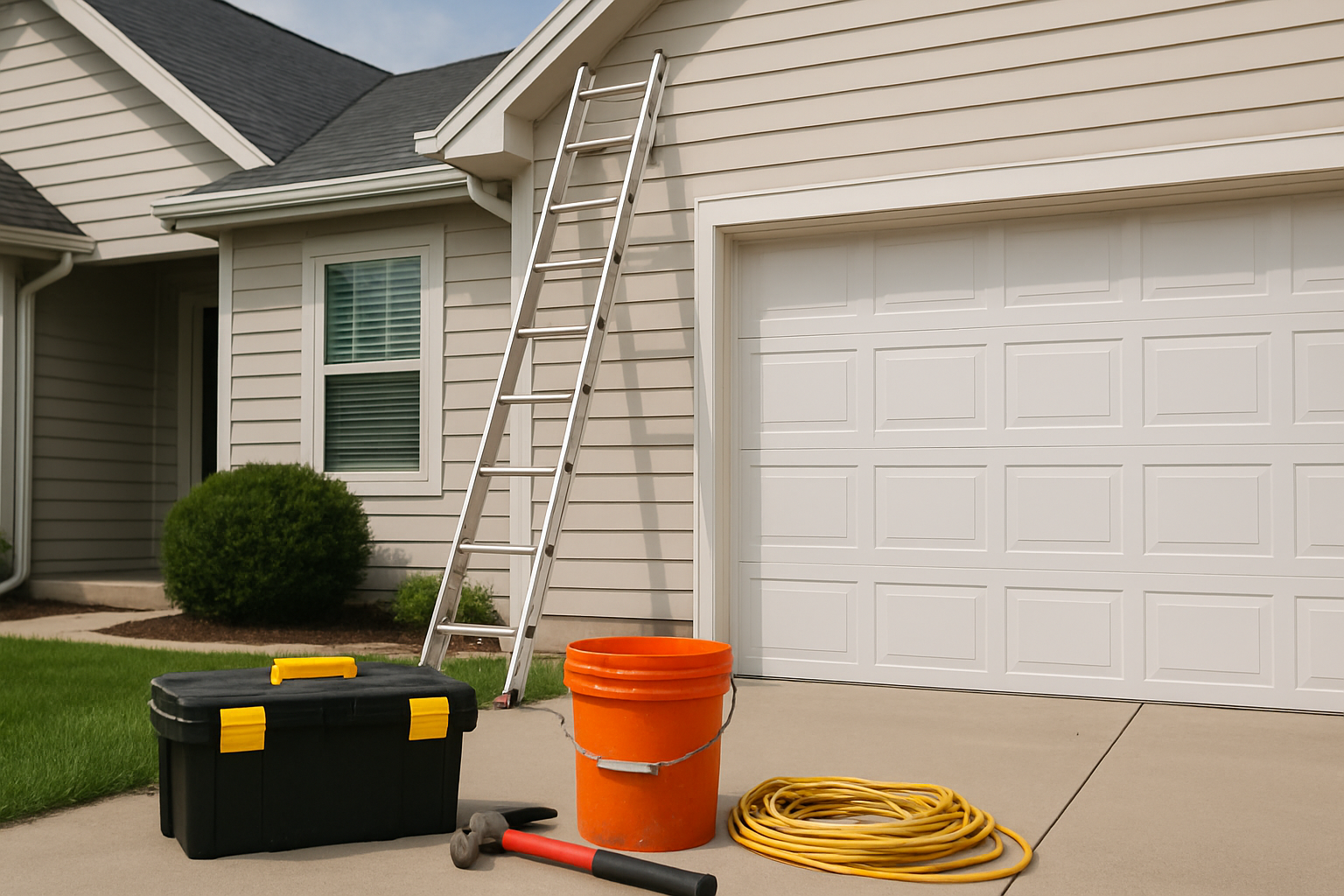
Owning a home is exciting, but it also comes with ongoing responsibilities that are easy to overlook. Many homeowners make small maintenance mistakes that do not seem serious at first. Over time, those small issues can turn into expensive repairs, safety problems, and lower home value. Learning what to avoid can save money, reduce stress, and help a home last longer. This article explains common home maintenance mistakes in clear, simple language so homeowners can spot problems early and take better care of their property.
Ignoring Gutters and Downspouts
One of the most common home maintenance mistakes is forgetting about gutters and downspouts. Gutters are designed to move rainwater away from the roof and foundation. When they become clogged with leaves, dirt, and debris, water spills over the sides instead of flowing away from the house.
Overflowing water can damage siding, soak into walls, and pool near the foundation. Over time, this can lead to basement leaks, mold growth, and foundation cracks. In colder climates, clogged gutters can also cause ice dams, which damage roofs and cause water to back up under shingles.
Downspouts are just as important. If they do not direct water far enough from the house, moisture builds up around the foundation. Many homeowners forget to check that downspouts extend several feet away from the home.
- Cleaning gutters at least twice a year helps prevent water damage.
- Checking for loose or sagging sections keeps gutters working properly.
- Making sure downspouts point away from the foundation protects the structure.
Skipping Regular HVAC Maintenance
Heating and cooling systems are expensive, and many homeowners only think about them when something breaks. Skipping regular HVAC maintenance is a costly mistake. Dirty filters, blocked vents, and worn parts force systems to work harder than necessary.
When HVAC systems are not maintained, they use more energy, leading to higher utility bills. Small issues, such as a loose belt or clogged drain line, can grow into major repairs if ignored. Poor maintenance can also shorten the life of the system by several years.
Another problem is indoor air quality. Dirty filters allow dust, pollen, and allergens to circulate through the home. This can cause discomfort and health issues, especially for children and older adults.
- Changing air filters every one to three months improves efficiency.
- Scheduling yearly professional inspections helps catch small problems early.
- Keeping vents clear allows air to flow evenly throughout the home.
Neglecting Roof Inspections
The roof protects the entire house, yet many homeowners rarely check its condition. Roof problems often start small, such as a loose shingle or minor flashing damage. When these issues are ignored, water can enter the home and cause serious damage.
Leaks from the roof may not be visible right away. Water can travel along beams and insulation before showing up as stains on ceilings or walls. By the time the damage is noticeable, repairs can be expensive.
Weather events like heavy rain, snow, and wind can cause sudden roof damage. Homeowners who do not inspect their roofs after storms may miss important warning signs.
- Looking for missing or curled shingles helps catch problems early.
- Checking flashing around chimneys and vents prevents leaks.
- Inspecting the attic for moisture or daylight can reveal roof issues.
Overlooking Small Plumbing Leaks
Small plumbing leaks are easy to ignore, especially when they seem harmless. A slow drip under a sink or a running toilet may not seem urgent, but these issues waste water and increase utility bills.
Over time, leaks can cause water damage to cabinets, floors, and walls. Moisture also creates the perfect environment for mold growth, which can be costly to remove and harmful to health.
Some leaks are hidden inside walls or under floors. Homeowners who do not pay attention to water bills or signs of moisture may miss these problems until major damage occurs.
- Fixing dripping faucets saves water and money.
- Checking under sinks regularly helps catch leaks early.
- Watching for sudden increases in water bills can signal hidden leaks.
Failing to Control Moisture and Humidity
Moisture control is a key part of home maintenance that many people overlook. High humidity levels can cause wood to warp, paint to peel, and metal to rust. It also encourages mold and mildew growth.
Bathrooms, kitchens, basements, and laundry rooms are especially prone to moisture problems. Without proper ventilation, steam and damp air remain trapped inside the home.
Basements with poor drainage or cracks in the foundation can allow groundwater to seep inside. This leads to musty smells and long-term structural damage.
- Using exhaust fans in bathrooms and kitchens reduces moisture.
- Running a dehumidifier in damp areas helps control humidity.
- Sealing foundation cracks keeps water out of basements.
Putting Off Exterior Paint and Caulking
Exterior paint and caulking do more than improve a home’s appearance. They act as a protective barrier against moisture, insects, and weather damage. When paint peels or caulk cracks, the home becomes vulnerable.
Wood siding exposed to moisture can rot, leading to costly repairs. Gaps around windows and doors allow water and air to enter, increasing energy bills and causing drafts.
Many homeowners delay repainting because it seems expensive or time-consuming. However, waiting too long often results in much higher costs.
- Inspecting caulk around windows and doors prevents leaks.
- Touching up peeling paint protects siding and trim.
- Repainting before damage spreads saves money over time.
Improper DIY Repairs
Do-it-yourself projects can be rewarding, but improper DIY repairs are a common mistake. Without the right tools or knowledge, homeowners may create bigger problems than they fix.
Electrical and plumbing work are especially risky. Incorrect wiring can cause fire hazards, while poorly installed pipes can lead to leaks and water damage. Even simple repairs can go wrong if instructions are not followed carefully.
Another issue is using low-quality materials to save money. Cheap parts often wear out quickly and fail when under stress.
- Knowing when to call a professional prevents safety risks.
- Using proper materials ensures repairs last longer.
- Following local building codes avoids future issues.
Ignoring Appliance Maintenance
Household appliances work hard every day, yet many homeowners forget to maintain them. Skipping basic care can shorten an appliance’s life and lead to sudden breakdowns.
For example, a refrigerator with dirty coils has to work harder to stay cool, using more energy. A washing machine with clogged hoses can leak or overflow. These problems often start small and get worse over time.
Appliance maintenance also affects safety. Dryers with lint buildup are a common cause of house fires, and gas appliances need proper ventilation.
- Cleaning refrigerator coils improves efficiency.
- Inspecting washing machine hoses prevents leaks.
- Cleaning dryer vents reduces fire risk.
Neglecting Landscaping and Drainage
Landscaping plays a bigger role in home maintenance than many people realize. Poor grading and improper plant placement can cause water to flow toward the house instead of away from it.
Tree roots planted too close to the home can damage foundations, sidewalks, and plumbing lines. Overgrown bushes can trap moisture against siding and attract pests.
Yards that do not drain properly can develop standing water, which increases the risk of foundation damage and insect problems.
- Sloping soil away from the house improves drainage.
- Trimming plants keeps moisture from building up near walls.
- Choosing the right plants protects foundations and pipes.
Forgetting About the Water Heater
Water heaters are often hidden in basements or closets, making them easy to forget. Many homeowners do not think about their water heater until it stops working.
Sediment builds up inside water heaters over time, reducing efficiency and causing the unit to work harder. This can lead to higher energy bills and a shorter lifespan.
Leaks from a failing water heater can cause serious water damage. In some cases, tanks can burst if pressure builds up.
- Flushing the tank yearly removes sediment buildup.
- Checking for rust or leaks helps catch problems early.
- Testing the pressure relief valve improves safety.
Skipping Electrical System Checks
Electrical systems are critical for safety, yet they are often ignored. Outdated wiring, overloaded outlets, and loose connections can increase the risk of electrical fires.
Many older homes were not designed to handle modern electrical demands. Homeowners who add appliances and devices without upgrading the system may experience frequent breaker trips or overheating.
Warning signs such as flickering lights or warm outlets should never be ignored.
- Replacing damaged outlets improves safety.
- Updating old wiring supports modern electrical needs.
- Hiring an electrician for inspections prevents hazards.
Not Maintaining Windows and Doors
Windows and doors are exposed to weather year-round, yet they often receive little attention. Broken seals, cracked frames, and worn weatherstripping allow air and moisture to enter the home.
Drafty windows increase heating and cooling costs. Moisture entering around frames can damage walls and encourage mold growth.
Doors that do not close properly also create security concerns.
- Replacing worn weatherstripping improves energy efficiency.
- Checking window seals prevents moisture problems.
- Adjusting door hardware ensures proper closing.
Overlooking Attic Insulation and Ventilation
The attic plays a major role in home comfort and energy efficiency. Poor insulation allows heat to escape in winter and enter in summer, leading to higher energy bills.
Inadequate ventilation can cause moisture buildup in the attic. This leads to mold growth and wood rot, which weaken the roof structure.
Many homeowners never enter their attic, so problems go unnoticed for years.
- Adding insulation improves temperature control.
- Ensuring proper ventilation reduces moisture buildup.
- Inspecting for pests prevents damage to insulation.
Ignoring Safety Systems
Safety systems are essential for protecting both people and property. Smoke detectors, carbon monoxide detectors, and fire extinguishers need regular attention.
Batteries in detectors can die without warning, leaving the home unprotected. Fire extinguishers can lose pressure over time and may not work when needed.
Many homeowners install safety devices and then forget about them.
- Testing smoke and carbon monoxide detectors monthly improves safety.
- Replacing batteries regularly ensures proper function.
- Checking fire extinguishers keeps them ready for use.
Failing to Clean Dryer Vents
Dryer vents are often overlooked, yet they are a common cause of house fires. Lint builds up in the vent over time, restricting airflow and causing the dryer to overheat.
Restricted vents also make dryers less efficient, leading to longer drying times and higher energy bills.
Many homeowners clean the lint trap but forget about the vent itself.
- Cleaning vents yearly reduces fire risk.
- Checking for crushed or blocked vent hoses improves airflow.
- Keeping the area around the dryer clear improves safety.
Neglecting Garage Door Maintenance
Garage doors are heavy and used frequently, yet they often receive little maintenance. Worn springs, loose hardware, and misaligned tracks can cause the door to fail.
A malfunctioning garage door can be dangerous, especially if it suddenly falls. It can also affect home security.
Simple inspections can catch issues before they become serious.
- Tightening loose bolts keeps the door stable.
- Lubricating moving parts reduces wear.
- Testing auto-reverse features improves safety.
Overlooking Seasonal Maintenance Tasks
Each season brings different challenges for homeowners. Skipping seasonal maintenance is a common mistake that leads to avoidable damage.
In fall, failing to prepare for winter can result in frozen pipes and roof damage. In spring, ignoring inspections can allow winter damage to go unnoticed.
Seasonal tasks help homeowners stay ahead of problems.
- Winterizing outdoor faucets prevents freezing.
- Inspecting the home after storms catches hidden damage.
- Cleaning and servicing equipment keeps it ready for use.