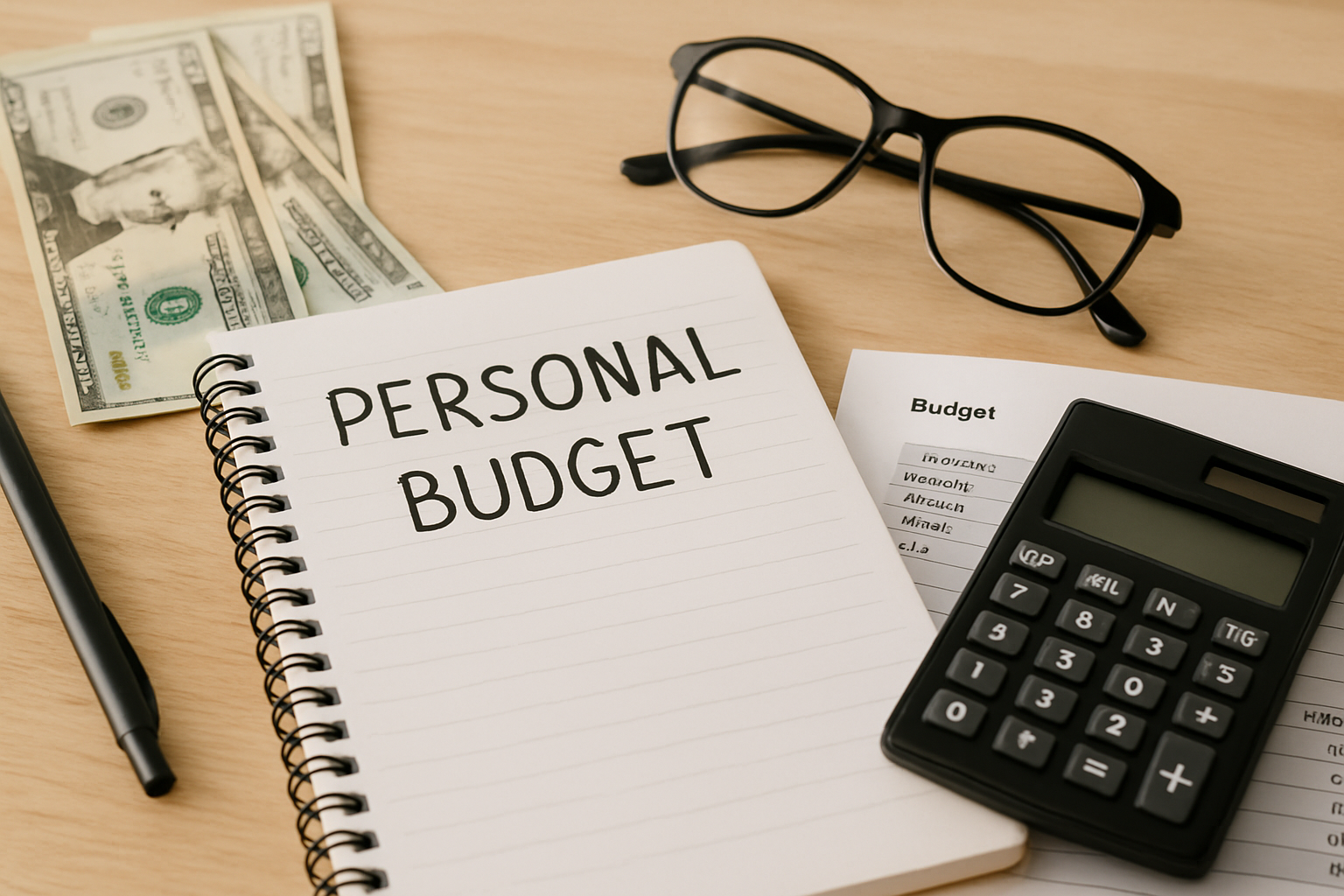
Personal budgeting is a simple skill that helps you decide where your money goes instead of wondering where it went. Many people feel stressed about money because they do not have a clear plan. Budgeting is not about being perfect or giving up everything you enjoy. It is about understanding your income, your spending, and your goals so you can make better choices. This guide walks through personal budgeting step by step in a clear and friendly way, using everyday language and practical examples.
What Personal Budgeting Really Means
A personal budget is a plan for your money. It shows how much money you expect to earn and how you plan to spend or save it over a certain period, usually a month. A budget helps you make sure your money covers your needs, supports your goals, and still leaves room for fun.
Many beginners think a budget is a strict set of rules. In reality, a budget is a flexible guide. Life changes, and your budget can change too. The purpose is awareness and control, not punishment. When you know what your money is doing, you can make choices with confidence.
Budgeting works for all income levels. Whether you earn a lot or a little, a budget helps you avoid waste, prepare for surprises, and plan for the future. It is a basic life skill that grows more powerful over time.
Why Budgeting Matters in Everyday Life
Money touches almost every part of daily life, from housing and food to transportation and entertainment. Without a budget, it is easy to spend more than you earn or forget about important expenses. Budgeting gives you clarity and reduces stress.
One major benefit of budgeting is peace of mind. When you know your bills are covered and your savings are growing, you feel more secure. A budget also helps you say yes to things that matter to you, like travel, hobbies, or education, because you planned for them.
Budgeting also helps with decision-making. When you are tempted to make a purchase, you can check your budget and see if it fits. This removes guilt and confusion and replaces them with confidence.
Understanding Your Income
The first step in creating a personal budget is understanding your income. Income is all the money you receive on a regular basis. For most people, this includes wages or salary from a job. It may also include side work, freelance income, tips, or support payments.
Start by calculating your net income, not your gross income. Net income is the amount you actually receive after taxes and other deductions. This is the money you have available to spend and save.
If your income is consistent, such as a steady paycheck, this step is straightforward. If your income changes from month to month, estimate a conservative average. Using a lower estimate helps you avoid overspending during slower months.
Handling Irregular Income
Many people work hourly jobs, freelance, or run small businesses. Their income may vary each month. In this case, look at your income over the past six to twelve months and find an average. You can also base your budget on your lowest typical month to stay safe.
When income is irregular, it helps to prioritize essential expenses first. Any extra income during good months can go toward savings or future expenses. This approach builds stability over time.
Tracking Your Spending
Before you can plan your spending, you need to understand where your money is currently going. Tracking your spending means writing down or recording every expense for a period of time, usually one month.
This step can feel uncomfortable, but it is very important. Many people are surprised when they see how small, frequent purchases add up. Tracking helps you spot habits that may not match your priorities.
You can track spending using a notebook, a spreadsheet, or a budgeting app. The method does not matter as much as being honest and consistent. Every dollar counts, even cash purchases.
Common Spending Categories
As you track your expenses, group them into categories. This makes patterns easier to see. Common categories include housing, utilities, food, transportation, insurance, debt payments, personal care, entertainment, and savings.
Some expenses happen every month, like rent or phone bills. Others happen less often, like car repairs or annual fees. Include these irregular expenses by spreading their cost across the year.
Needs vs Wants
One of the most important budgeting skills is learning the difference between needs and wants. Needs are expenses that are necessary for basic living, such as housing, basic food, utilities, and transportation to work.
Wants are things that improve your life but are not required for survival. These include eating out, subscriptions, hobbies, and upgrades. Wants are not bad. Budgeting simply helps you choose them intentionally.
Sometimes the line between needs and wants can be blurry. For example, you need internet for work, but the most expensive plan may be a want. Budgeting helps you make these choices clearly.
Setting Financial Goals
Budgeting becomes more meaningful when it is connected to your goals. Financial goals give your budget direction and motivation. Goals can be short-term, medium-term, or long-term.
Short-term goals may include building a small emergency fund or paying off a credit card. Medium-term goals could be saving for a car or a vacation. Long-term goals often include buying a home or preparing for retirement.
Write down your goals and be specific. Instead of saying you want to save money, decide how much you want to save and by when. Clear goals make it easier to stick to your budget.
Balancing Multiple Goals
It is common to have more than one financial goal at the same time. Budgeting helps you divide your money among them. You may focus more on one goal while still making small progress on others.
Goals can change as life changes. Reviewing and adjusting your goals is a normal part of budgeting. The key is to keep your budget aligned with what matters most to you right now.
Creating Your First Budget
Once you understand your income, spending, and goals, you are ready to create your first budget. Start by listing your net monthly income at the top. Then list your expense categories below.
Assign a dollar amount to each category based on your past spending and your priorities. Make sure your total expenses do not exceed your income. If they do, you will need to adjust by reducing some categories.
A simple budget does not need to be perfect. The goal is to create a realistic plan you can follow. You can always make changes as you learn more about your habits.
Popular Budgeting Methods
There are different ways to structure a budget. One common method is the percentage-based budget, where you divide your income into broad categories. Another method is zero-based budgeting, where every dollar is assigned a purpose.
Some people prefer envelope-style budgeting, where you set aside cash or digital amounts for each category. Others like automated budgets using apps and bank tools. Choose a method that feels comfortable and easy to maintain.
Building an Emergency Fund
An emergency fund is money set aside for unexpected expenses, such as medical bills, car repairs, or job loss. Without an emergency fund, these events often lead to debt.
Start small if needed. Even a few hundred dollars can make a difference. Over time, many people aim to save three to six months of basic living expenses.
Include emergency savings as a category in your budget. Treat it like a regular bill you pay to yourself. This makes saving a habit instead of an afterthought.
Managing Debt Within a Budget
Debt is a common part of modern life, but it needs careful management. Budgeting helps you see how much debt you have and how much it costs you each month.
List all your debts, including credit cards, student loans, car loans, and personal loans. Include the balance, interest rate, and minimum payment for each.
Your budget should always cover minimum payments to avoid late fees and damage to your credit. If possible, plan extra payments toward high-interest debt to reduce it faster.
Staying Motivated While Paying Debt
Paying off debt can take time, and it is easy to feel discouraged. Tracking progress helps you stay motivated. Celebrate small wins, such as paying off a single account or reducing a balance.
Budgeting also helps prevent new debt by showing you what you can truly afford. Over time, this creates healthier money habits.
Saving for the Future
Saving is not just about emergencies. It also supports future goals and financial security. Your budget should include savings, even if the amount is small at first.
There are different types of savings, such as short-term savings for upcoming expenses and long-term savings for major goals. Keeping these separate can make them easier to manage.
Automating savings is a helpful strategy. When money is transferred to savings automatically, you are less tempted to spend it.
Using Tools to Support Your Budget
Many tools can help you manage your budget. These include budgeting apps, spreadsheets, and bank features that categorize spending. Tools make tracking easier and faster.
Choose tools that match your comfort level with technology. A simple notebook can be just as effective as a complex app if you use it consistently.
Review your budget regularly using your chosen tools. Regular check-ins help you catch problems early and stay on track.
Adjusting Your Budget Over Time
A budget is not something you create once and forget. Life changes, and your budget should change with it. New jobs, moving, family changes, and price increases all affect your finances.
Set aside time each month to review your budget. Compare your planned spending to your actual spending. Look for areas where you overspent or underspent.
Use this information to adjust your budget for the next month. This ongoing process helps your budget become more accurate and useful.
Handling Budget Mistakes
Everyone makes mistakes when budgeting, especially at the beginning. Overspending one month does not mean you failed. It means you learned something new.
Instead of giving up, look at what caused the problem and adjust. Budgeting is a skill that improves with practice and patience.
Making Budgeting a Habit
The most successful budgets are the ones you actually use. Making budgeting a habit takes time. Start with small, simple steps and build from there.
Link budgeting to a routine, such as checking your finances once a week. Keep your budget visible so it stays in your mind when you make spending decisions.
Over time, budgeting becomes less about numbers and more about confidence. You begin to trust your plan and feel more in control of your money.
Budgeting and Lifestyle Choices
Your budget reflects your lifestyle choices. It shows what you value and where you choose to put your money. This can be empowering rather than limiting.
Budgeting allows you to spend freely on things that matter to you while cutting back on things that do not. This creates a more satisfying relationship with money.
As your priorities change, your budget can change too. This flexibility helps budgeting remain useful throughout different stages of life.
Teaching Yourself Money Awareness
One of the biggest benefits of personal budgeting is increased money awareness. You become more mindful of how financial decisions affect your life.
This awareness helps you ask better questions before spending. You may start thinking about long-term impact instead of short-term excitement.
Budgeting is not just a financial tool. It is a way to build responsibility, confidence, and independence in everyday life.